
Publication Date: March 8, 2026
Author: Hr Natura, Bionatry
Can B12 and Zinc Supplements Be the Key to Unlocking Your Diet Success?
Morning hydration and supplementation routine with Vitamin B12 and Zinc for metabolic health.
In the wake of festive seasons, many individuals across the U.S. and Western Europe report experiencing weight loss plateaus despite efforts to maintain caloric deficits. Whether dealing with the caloric abundance of American Thanksgiving and Super Bowl festivities, the indulgence of European Christmas markets, or the shifting daylight patterns in Scandinavia affecting circadian rhythms, the post-holiday period often brings frustration for those trying to shed pounds. At Bionatry, our ongoing research seeks to uncover the complex reasons why some individuals resume weight loss progress while others encounter stagnation.
This article centers on a critical question: what role do supplemental Vitamin B12 and zinc play in the body’s metabolic response to caloric restriction? We aim to answer this by analyzing it from a metabolic physiology standpoint, using peer-reviewed science and observational data relevant to North American and Western European readers.
1. Context and Observational Background
Over the past twelve years, my work has focused on identifying the key behavioral and nutritional factors that influence weight loss efficiency. At Bionatry, we analyze data from thousands of users across the U.S., Canada, and the EU, paying close attention to how dietary habits and environmental factors interact.
One of the most consistent findings in our research involves a behavioral pattern in the morning: delaying caffeine intake for 60–90 minutes after waking, coupled with hydration and supplementation that includes adequate B12 and zinc. This is not offered as a one-size-fits-all solution, but as a common trait in individuals who successfully overcome metabolic challenges.
Our data suggests that individuals who maintain a balanced or slightly reduced calorie intake and avoid typical afternoon energy crashes—often due to low B12 levels—tend to have sufficient B12 levels and follow a morning routine that respects the body’s natural cortisol rhythm. However, these findings are correlational, as we are dealing with self-reported data and non-controlled, real-world observations. They do, however, align with established research on appetite hormones, which we will explore.
2. Mechanisms and Rationale Behind B12 and Zinc in Weight Management
To understand why B12 and zinc supplementation may aid weight management, we must go beyond the oversimplified “fat-burning” claims made in commercial marketing. Instead, we need to explore the physiological roles these micronutrients play in metabolic adaptation and energy expenditure.
The Role of Micronutrients in Energy Metabolism
Vitamin B12 (cobalamin) is essential for the metabolism of fatty acids and amino acids and is vital for DNA synthesis and red blood cell production. During caloric restriction, the body’s demand for efficient energy production rises, and a deficiency in B12 can impair mitochondrial function, hindering the conversion of fats and carbohydrates into usable energy. This can lead to fatigue, reducing Non-Exercise Activity Thermogenesis (NEAT)—the unconscious movement that constitutes a significant part of daily energy expenditure.
Zinc is crucial for thyroid hormone synthesis, which directly regulates basal metabolic rate. Inadequate zinc intake can, therefore, reduce metabolic rate and contribute to adaptive thermogenesis, where the body tries to conserve energy during a caloric deficit.
Appetite Feedback and Circadian Alignment
We also consider the role of circadian alignment. The delayed caffeine intake we observed aligns with cortisol’s natural rhythm. Cortisol peaks in the morning, promoting alertness and energy mobilization. Consuming caffeine immediately upon waking can blunt this peak, leading to disruptions in blood glucose regulation.
Supplementing with B12, which aids in neurotransmitter synthesis (dopamine and serotonin), can impact mood and food reward systems. B12’s influence on fatigue and mood can indirectly affect hunger hormone regulation (ghrelin and leptin). A deficiency can heighten the brain’s sensitivity to hunger signals, making it harder to adhere to a diet.
As research by Rosenbaum and Leibel (2014) suggests, the body actively resists weight loss through coordinated hormonal and metabolic changes. We hypothesize that micronutrient deficiencies could exacerbate this resistance, although this remains a theoretical framework.
3. Practical Implementation Framework
For those considering evaluating their B12 and zinc status during a diet, we recommend a structured approach rather than looking for quick fixes.
Assessment (Weeks 1–2):
- Obtain baseline blood tests to measure B12 and zinc levels. Follow NIH guidelines, as deficiency is best determined by serum markers.
- Assess dietary intake of B12-rich foods (e.g., meat, fish, dairy) and zinc sources (e.g., oysters, nuts, red meat).
Supplementation Protocol (Weeks 3–12):
- If deficiency is confirmed, start with a moderate dose. B12 typically ranges from 4–25 mcg, and zinc from 15–25 mg, as per European Food Safety Authority (EFSA) guidelines.
- Take supplements with the first glass of water upon waking. Delay caffeine for 60–90 minutes to respect the body’s natural cortisol rhythm.
Behavioral Integration:
- Monitor energy levels and adjust dietary intake to maintain a slightly hypocaloric or eucaloric state. This is not a weight loss solution on its own but rather a means to remove physiological barriers to progress.
Duration and Constraints:
- Reassess B12 and zinc levels after 8–12 weeks. This protocol should not be followed indefinitely, and contraindications include those with gastrointestinal disorders that impair absorption or individuals on medications interacting with zinc.
4. Applicability, Boundaries, and Ethical Considerations
This analysis should be understood within the context of its limitations.
Who Might This Apply To?
This framework is most applicable to individuals in North America or Western Europe with dietary restrictions (e.g., vegans, vegetarians, and older adults) who are at risk for B12 or zinc deficiencies. Additionally, active individuals who have higher turnover of these nutrients may benefit.
Who Should Approach with Caution?
Individuals with untreated thyroid disorders, Wilson’s disease (zinc accumulation), or those seeking an easy solution for weight loss should avoid this framework. Supplements cannot replace balanced diets and lifestyle changes. Furthermore, we must avoid weight stigma, acknowledging that genetics, socioeconomic status, and environmental factors play larger roles than any single supplement.
B12 and zinc are not treatments for obesity but are essential cofactors in metabolic processes. While they can potentially enhance energy production and dietary adherence, they do not alter the basic laws of thermodynamics or neuroendocrine regulation of body weight.
Product Transparency Section
For readers seeking practical supplementation options:
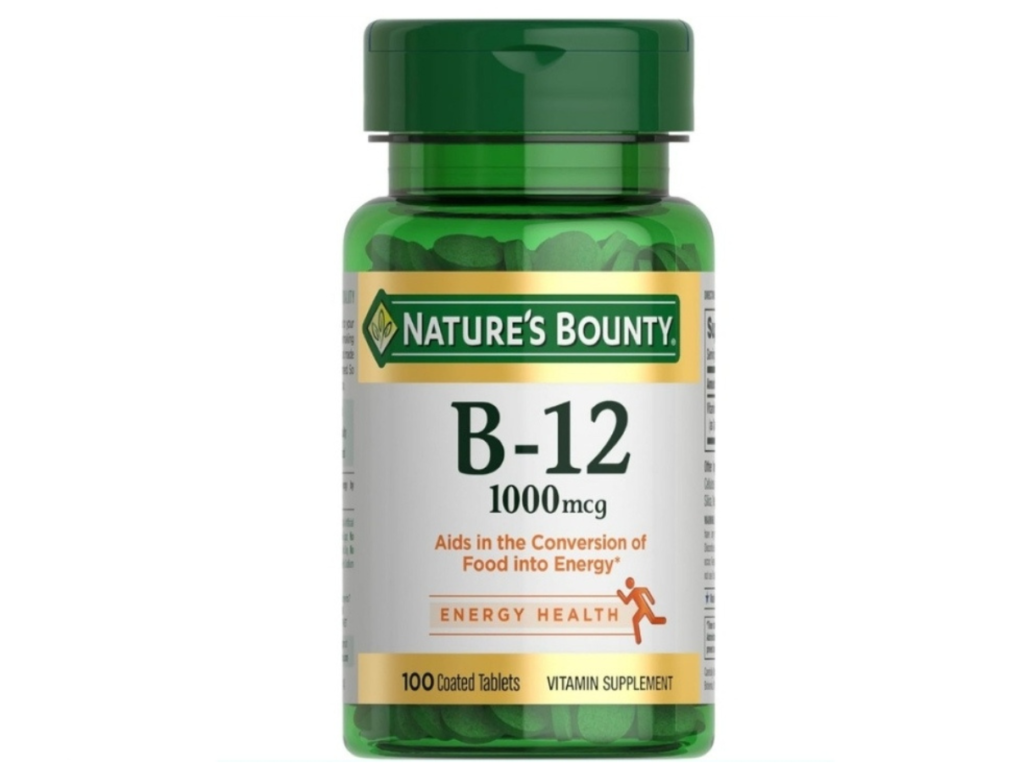
Nature’s Bounty Vitamin B12 – Supports Energy and Nerve Health.
Nature’s Bounty Vitamin B12 is a powerful supplement that helps boost metabolism and increase energy levels, while supporting nervous system health. Ideal for those looking to maintain mental and physical vitality throughout the day.
https://amzn.to/4kPRfGM
TESLA🗝️The EMS 15 Tesla is an innovative device that uses Electrical Muscle Stimulation (EMS) technology to effectively stimulate muscles and aid in fat removal. Designed to enhance body shaping and slimming, it helps tone muscles and improve the appearance of the buttocks, abdomen, and thighs in a short period of time. With its sleek, modern design, the device is ideal for both home and salon use. It offers safe, effective sessions for improving physical fitness and body contour.
https://s.click.aliexpress.com/e/_c4e9fAf1
🌿Synergistic Ingredients for Better Energy and Metabolism
This formulation features naturally derived ingredients chosen for their ability to work together to boost metabolic efficiency, enhance energy use, and reduce fatigue—key factors that help support energy balance and weight management.
https://nplink.net/ooihri9y
Note: This product is available exclusively through the manufacturer’s official website and is not sold on Amazon.
Products are chosen independently by us. Purchases made through our links may earn us a commission at no additional cost to you.
5. Frequently Asked Questions
Can Vitamin B12 alone speed up my metabolism?
No. B12 supports metabolic processes, but it does not directly boost metabolic rate unless there is a deficiency.
Should I take zinc if I want to lose weight for the summer holidays?
Zinc supplementation should be based on dietary intake and blood levels, not seasonal goals. Its role is in supporting thyroid function and immune health, not weight loss.
How do seasonal eating habits affect B12 levels?
Periods like the holidays often involve dietary shifts—lower intake of B12-rich foods and higher alcohol consumption, which can impair B12 absorption. A post-holiday reset with nutrient-dense foods can help restore B12 levels.
Is there a link between B12, zinc, and appetite suppression?
There is no direct evidence that B12 or zinc act as appetite suppressants, but they may help manage fatigue and hormonal imbalances that contribute to overeating.
Author Bio:
Hr Natura is a health and nutrition researcher with extensive experience in analyzing dietary supplements and developing practical, evidence-based strategies for sustainable weight management. He is the founder of bionatry.com, a science-focused platform providing clear, research-driven resources for optimizing metabolic health. Visit the official site: www.bionatry.com
For more specialized insights on effective and safe weight loss strategies, continue reading here: https://www.bionatry.com/vitamin-b12-the-secret-to-boosting-metabolism-and-shedding-pounds/