
Article Update : June 15, 2026
By: Bionatry
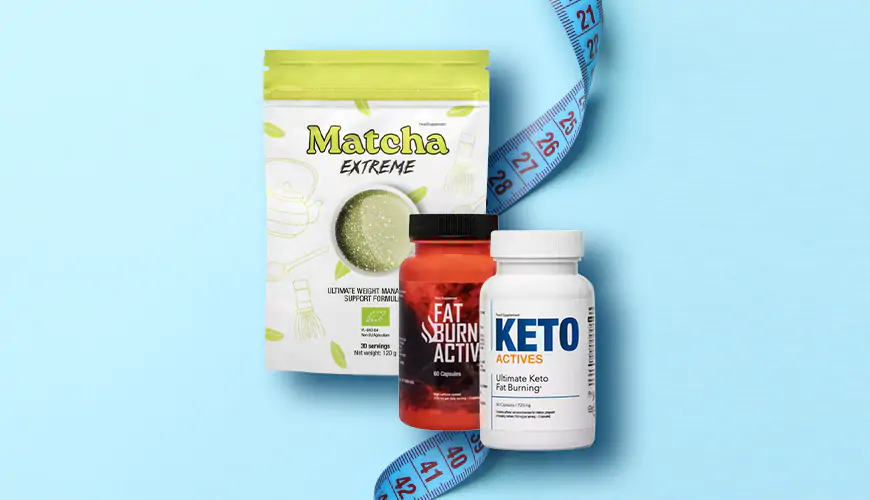
Matcha Extreme: The Complete Guide to Natural Weight Loss with Matcha Green Tea
As interest in natural weight-loss strategies continues to grow, matcha has emerged as one of the most talked-about wellness ingredients. Among the latest trends is the concept of “Matcha Extreme,” a term often used to describe a more concentrated approach to consuming premium matcha for metabolic support and weight management.
But can matcha genuinely support weight loss, or is the excitement driven primarily by marketing?
As a nutrition researcher, I believe it is essential to separate evidence from hype. Matcha is not simply another green tea beverage. Because it is made from finely ground whole tea leaves, it delivers a concentrated source of bioactive compounds, particularly catechins such as epigallocatechin gallate (EGCG), along with naturally occurring caffeine and L-theanine.
While scientific evidence suggests that matcha may support certain aspects of weight management, improper use, unrealistic expectations, and excessive consumption can lead to unwanted effects. This guide examines the current evidence, practical applications, and important safety considerations surrounding Matcha Extreme.
What Is Matcha Extreme from a Scientific Perspective?
The term “Matcha Extreme” does not refer to a specific product or brand. Instead, it generally describes the use of premium ceremonial-grade or high-quality matcha in larger-than-average daily amounts, typically between 2 and 4 grams per day.
Unlike traditional green tea, where the leaves are steeped and discarded, matcha involves consuming the entire tea leaf. This provides a higher concentration of antioxidants, amino acids, and catechins than standard brewed green tea.
One often-overlooked factor is bioavailability—the body’s ability to absorb and utilize these compounds effectively.
Research suggests that certain dietary habits may influence catechin absorption. For example:
- Consuming matcha alongside vitamin C-rich foods may help preserve catechins.
- Taking matcha separately from mineral-rich supplements may reduce potential interactions.
- Avoiding excessive additions of sugar can help maintain its nutritional profile.
For many individuals, consuming matcha between meals may be a practical approach to maximizing its benefits.
Potential Risks of Excessive Matcha Consumption
Although matcha is generally considered safe for healthy adults when consumed in moderation, excessive intake may increase the risk of side effects.
1. Liver Health Considerations
High doses of concentrated green tea extracts have been associated with rare cases of liver injury. While such events are uncommon, they highlight the importance of moderation, particularly for individuals with pre-existing liver conditions or those taking medications that affect liver function.
Individuals considering high-dose matcha consumption should consult a healthcare professional before beginning any intensive regimen.
2. Digestive Discomfort
Matcha contains tannins, which may cause digestive symptoms in sensitive individuals, including:
- Nausea
- Stomach irritation
- Bloating
- Loose stools
These effects are more likely when matcha is consumed on an empty stomach or in excessive quantities.
3. Reduced Iron Absorption
Like many tea products, matcha contains compounds that may reduce the absorption of non-heme iron from plant-based foods. This may be particularly relevant for:
- Vegetarians and vegans
- Individuals with low iron levels
- Women with increased iron requirements
Separating matcha consumption from iron-rich meals may help minimize this concern.
Practical Safety Recommendation
Most healthy adults can safely consume approximately 1–3 grams of matcha daily. Individuals taking medications, especially blood thinners, blood pressure medications, or liver-related treatments, should seek medical advice before increasing intake.
How Matcha May Support Weight Loss
Matcha does not cause weight loss directly or instantly. Instead, its potential effects appear to involve several physiological mechanisms.
Increased Energy Expenditure
Catechins and caffeine may temporarily increase thermogenesis, the body’s production of heat and energy expenditure. Some studies suggest this may modestly increase calorie burning when combined with physical activity.
Fat Oxidation Support
Research indicates that green tea catechins may enhance fat oxidation during exercise, helping the body utilize stored fat as an energy source more efficiently.
Appetite and Energy Regulation
The combination of caffeine and L-theanine may support alertness while promoting a calmer mental state. Some individuals report reduced cravings and improved dietary adherence when incorporating matcha into a balanced lifestyle.
Gut Microbiome Effects
Emerging research suggests that matcha polyphenols may support beneficial gut bacteria associated with metabolic health. However, these effects appear to develop gradually and should not be viewed as a quick solution for weight loss.
Best Timing Strategies for Matcha Consumption
Timing may influence both effectiveness and tolerance.
Morning
A small serving of matcha in the morning may help promote alertness and provide a steady source of energy without the sharp peaks often associated with coffee.
Before Exercise
Consuming matcha approximately 30–60 minutes before physical activity may support exercise performance and fat oxidation.
Between Meals
Many people find that drinking matcha between meals helps maintain energy levels and reduce cravings for sugary snacks.
Evening Considerations
Because matcha naturally contains caffeine, consuming it late in the day may interfere with sleep quality in sensitive individuals.
Choosing a High-Quality Matcha Product
Product quality can significantly influence both taste and nutritional value.
When evaluating matcha products, consider the following:
Origin Matters
Authentic Japanese matcha, particularly from regions such as Uji and Kagoshima, is widely recognized for its quality standards.
Third-Party Testing
Look for manufacturers that provide independent testing for:
- Heavy metals
- Pesticides
- Microbial contamination
Ingredient Transparency
Choose products that clearly identify their ingredients and sourcing practices. Avoid products that rely on vague marketing claims without supporting information.
Color and Aroma
High-quality matcha typically exhibits:
- A vibrant green color
- A fresh, grassy aroma
- A smooth taste with minimal bitterness
A Convenient Matcha-Based Option for Busy Adults
While preparing high-quality ceremonial matcha at home remains the traditional approach, many people prefer a more convenient solution that combines matcha with additional ingredients commonly used in weight-management formulas.
For readers looking for an easy-to-use alternative, one option worth exploring is this matcha-based supplement:
👉 Learn More Here: https://nplink.net/pf849slg
What makes products like this appealing is their convenience. Instead of measuring powders and preparing multiple servings throughout the day, users can follow a simple routine while still benefiting from matcha-derived compounds.
Products are chosen independently by us. Purchases made through our links may earn us a commission at no additional cost to you.
Frequently Asked Questions
Can Matcha Extreme Produce Rapid Weight Loss in One Week?
No. Sustainable weight loss generally occurs gradually. While matcha may support metabolism and appetite management, meaningful results typically require a consistent calorie-controlled diet and regular physical activity.
Does Matcha Work Differently for Men and Women?
Hormonal differences, body composition, and lifestyle factors may influence individual responses. However, current evidence does not support dramatically different outcomes solely based on gender.
How Long Can Matcha Be Used Safely?
For most healthy adults, moderate daily consumption can be part of a long-term dietary pattern. Individuals with medical conditions or those considering higher doses should consult a healthcare professional.
Final Analysis
Matcha Extreme should not be viewed as a miracle solution for weight loss. However, when incorporated into a balanced lifestyle, high-quality matcha may serve as a useful complementary tool for supporting metabolism, exercise performance, and dietary adherence.
The most important factors remain unchanged: a nutritious diet, regular physical activity, adequate sleep, and long-term consistency.
The greatest risk is not matcha itself, but unrealistic expectations and excessive consumption driven by marketing claims. A gradual, evidence-based approach offers the best opportunity to benefit from matcha while minimizing potential risks.
Author Bio
This article was written by R Hallou, a health and nutrition expert at Bionatry. He specializes in evidence-based nutrition, dietary supplement analysis, and sustainable weight-management strategies. Through in-depth research and practical guidance, he helps readers make informed health decisions based on science rather than marketing claims.https://www.bionatry.com