
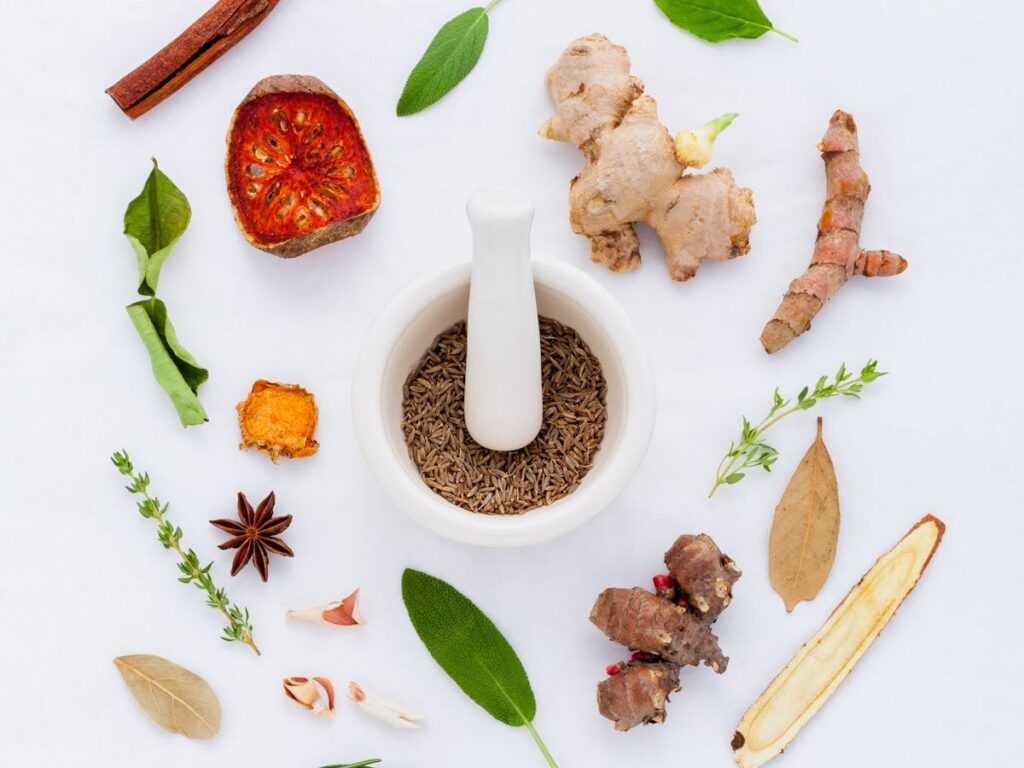
A selection of whole foods like leafy vegetables, legumes, and lean proteins.
The Best Foods to Include in Your Weight Loss Diet
Published on: April 7, 2026
Author: R Hallou
A careful reading
When tackling the issue of weight loss, it’s crucial to clarify one basic point: there is no single food that can directly “burn fat” or act as a miracle solution. Effective nutrition strategies focus on supporting metabolism, enhancing satiety, and creating a modest calorie deficit in a sustainable way. According to dietary guidelines from the CDC and recent studies in 2025, food choices should be based on nutrient density and the ability to regulate hunger hormones. In this analysis, I will explore the most effective food categories for supporting weight loss, offering research-based recommendations for a U.S. audience.
Analysis of Effective Nutritional Components
Recent research, including a longitudinal study published in Obesity in October 2025, shows that maintaining a higher proportion of protein in the diet is associated with significant reductions in total energy intake and improved long-term weight maintenance. The study found that replacing low-quality foods (lacking protein and fiber) with protein-rich foods led to lower calorie intake without feelings of deprivation. Based on this framework, I recommend the following foods:
1. Lean Proteins and Dairy Derivatives
Protein is not only vital for muscle building but also has a “high thermic effect” (TEF), meaning the body burns more calories during its digestion compared to carbs and fats. I recommend focusing on:
- Poultry and Fish: Chicken breast and turkey, along with fatty fish like salmon and sardines, which provide heart-healthy omega-3 fatty acids.
- Greek Yogurt: Choose low-fat versions (1% or 2%). Studies show that consuming high-protein Greek yogurt reduces the hunger hormone (ghrelin) and delays the next meal compared to low-protein snacks.
- Whole Eggs: Eating whole eggs is an effective strategy for increasing satiety. One study found that consuming eggs for breakfast reduced food intake for up to 36 hours compared to eating refined carbs like bread.
2. Low Energy Density, High Volume Foods
“Energy density” refers to the number of calories in a given weight of food. Foods that are high in water and fiber offer greater volume in the stomach with fewer calories.
- Non-starchy Vegetables: Spinach, kale, broccoli, and cucumbers are rich in fiber, which swells in the digestive system, slowing digestion and enhancing fullness.
- Low-Sodium Soups: Research indicates that soups made with vegetable or tomato broth can be more satiating than eating solid ingredients separately, due to their high water content.
3. Whole Grains and Legumes
Contrary to the common misconception that carbs should be avoided for weight loss, whole grains are essential for sustained energy.
- Oats and Quinoa: Oats contain “beta-glucan” fibers that form a gel-like substance in the intestines, slowing stomach emptying. One experiment showed that those who ate oats felt less hungry and consumed fewer calories at lunch compared to those who ate processed breakfast cereals.
- Potatoes and Sweet Potatoes: Boiled or baked potatoes rank high on the “Satiety Index”. Their potassium and fiber content (especially in the skin) make them an excellent choice when prepared without added fats.
Foods to Handle with Caution
In the context of analyzing eating habits in the U.S., ultra-processed foods pose a significant barrier. Even foods marketed as “healthy” may contain added sugars and trans fats. The dietary guidelines from Columbia University recommend reducing sodium intake to below 2300 mg per day and cutting added sugars to less than 10% of total calories. It’s crucial to read food labels carefully and ensure that products like flavored yogurt or breakfast cereals don’t contain excessive high-fructose corn syrup.
Lifestyle Adjustments to Support Nutrition
I emphasize that the success of any diet plan depends on the behavioral context. Studies have shown that mindful eating and increased physical activity enhance the effectiveness of a diet. I don’t recommend relying on short-term strategies like “eating small frequent meals” for weight loss, as scientific analyses suggest that the number of meals is not as important as the overall quality of calories and their effect on hormones. The focus should be on how the body responds to food, rather than the timing of meals.
Based on the previous scientific analysis, we can establish objective criteria for selecting the most suitable dietary supplement. The goal is not just to purchase any product, but to choose one that offers maximum benefits with minimal side effects.
Alternative products as part of a balanced diet.
Almased Meal Replacement Shakes: provide an effective way to manage weight in a delicious and healthy manner. Each serving contains 24 grams of high-quality protein, along with 80 bioactive nutrients and 22 vitamins and minerals, designed to boost metabolism and energy. With its delightful Almond Vanilla flavor, this shake offers a nutritious and satisfying snack to support your health goals and assist in weight management.
https://amzn.to/41LVDOd
Supporting Digestion and Weight Management with Natural Ingredients
GLP-1+GIP Weight Management Drops: provide an excellent option to enhance your wellness. This powerful 7-day formula combines natural ingredients to support healthy weight loss, improve digestion, and reduce bloating. It is designed for both men and women, promoting nutrient absorption and accelerating fat loss. Safe for long-term use, this product complements your diet and exercise routine, aiding effective weight management.
https://s.click.aliexpress.com/e/_c3oYowd5
Achieve Your Goals Quickly and Safely with Fast Burn Extreme: The Ultimate Fat Burner!
Fast Burn Extreme is an effective multi-component fat burner designed for physically active individuals of all ages, including athletes. Regular use enhances fat metabolism and stimulates its reduction, making it the perfect solution for those looking to burn fat quickly and safely. Whether you’re aiming to lose weight or improve your physical performance, Fast Burn Extreme delivers reliable results. Get it today and start your journey toward a leaner, fitter body!
https://nplink.net/1zsurf7m
Note: This product is available exclusively through the manufacturer’s official website and is not sold on Amazon.
Products are chosen independently by us. Purchases made through our links may earn us a commission at no additional cost to you.
Frequently Asked Questions (FAQ)
Q: Are there “negative calorie foods”?
A: No. The idea that certain foods like celery require more calories to digest than they provide is a myth. The thermic effect of food (TEF) rarely exceeds 30% of a food’s caloric value, meaning it can never reach 100% to achieve the “negative” concept.
Q: Is it necessary to eliminate carbs completely to lose weight?
A: Scientifically, no. CDC guidelines suggest that physical activity and a balanced diet should be a priority, with a focus on whole grains rather than refined ones. Complex carbs from sources like quinoa and sweet potatoes are essential for providing energy and fiber.
Q: How can I control hunger while dieting?
A: Hunger is a primary reason diets fail. I recommend focusing on large-volume, low-calorie foods like leafy vegetables and soups, and increasing protein intake at every meal, as protein naturally reduces the hunger hormone “ghrelin”.
Author Bio
R Hallou is an expert in the field of health and nutrition, with extensive experience in analyzing dietary supplements and developing practical, evidence-based strategies for sustainable weight management. Official website: www.bionatry.com
For more specialized insights on effective and safe weight loss strategies, continue reading here: https://www.bionatry.com/why-fad-diets-arent-the-solution-for-weight-loss/