
Published: May 7, 2026
Author: R Hallou
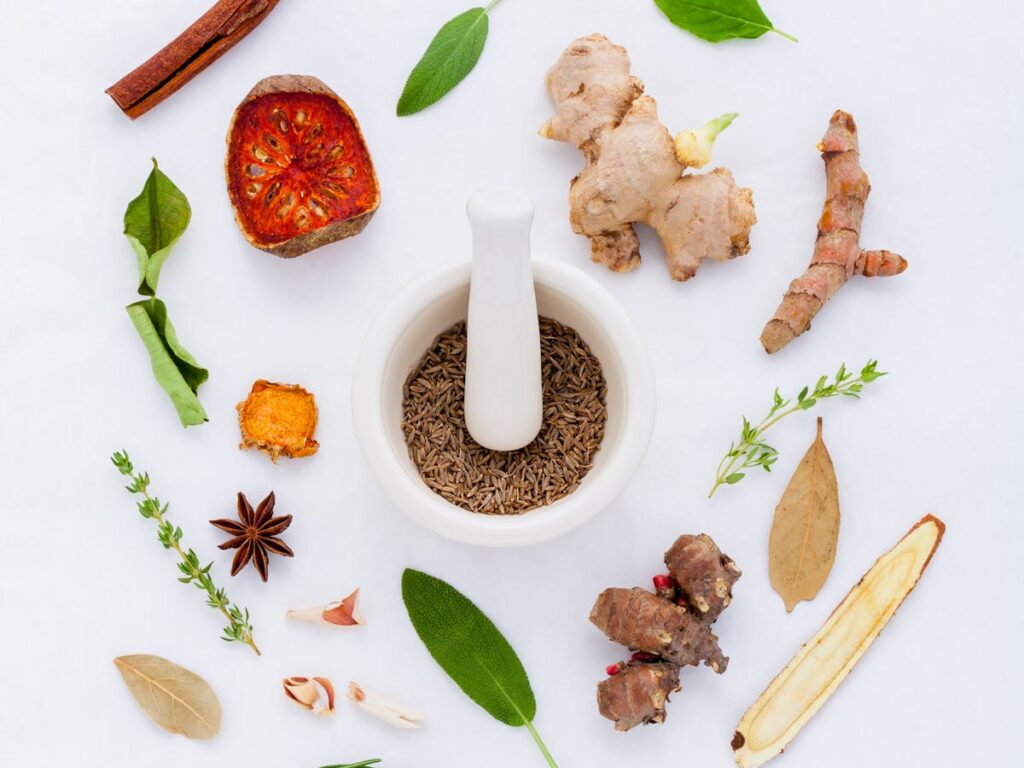
Mediterranean diet weight loss foods olive oil vegetables fish kitchen table 2026
Lose Weight Deliciously: The Secret Power of the Mediterranean Diet
In an era of increasingly complex diet trends—ranging from keto and intermittent fasting to ultra-low-fat plans—one question continues to perplex both researchers and individuals: how can you lose weight without feeling deprived or complicating daily life?
For Americans, where adult obesity rates exceed 40%, this is no longer a cosmetic choice but a pressing health necessity. Over the past five years, US News & World Report has ranked the Mediterranean Diet as the #1 overall diet for 2026 for the seventh consecutive year. Yet the more pressing question isn’t why it’s ranked first, but how this fat-rich diet can serve as a delicious and sustainable weight-loss strategy.
As a nutrition analysis expert at Bionatry, I provide here a critical review of the latest scientific evidence, highlighting the metabolic risks of extreme dieting and offering practical solutions based on nutrient density and hormonal balance.
H2: The Silent Risks: Why Most Traditional Diets Fail
Before exploring how the Mediterranean diet works, it’s crucial to understand why most long-term weight-loss attempts fail, especially in the U.S. context.
H3: The Metabolic “Yo-Yo” Effect
Extreme calorie restriction (under 1,200 kcal/day) or elimination of entire food groups often results in the loss of muscle and water rather than fat. Randomized clinical trials indicate that roughly 25% of weight lost on very-low-calorie diets comes from lean muscle mass. This triggers metabolic adaptation, causing the body to regain weight faster—often as dangerous visceral fat—once normal eating resumes.
H3: The Equal-Calorie Fallacy
The notion that “a calorie is a calorie, no matter the source” is misleading. Hormonal responses to the same caloric intake vary significantly depending on the food source. Consider the USDA data:
- 100 calories of cucumber (~700 g) provide substantial volume, water, and fiber.
- 100 calories of cheese (~38 g) offer less satiety, increasing the risk of overeating later.
Ignoring these differences leads to insufficient fullness, “calorie leaks,” and eventual diet failure.
H2: The Mediterranean Diet: Redefining Pleasure and Fat Burning
The Mediterranean Diet offers a scientifically backed solution. It focuses on food quality over restriction, leveraging the concept of low-calorie-density meals, widely supported by research from 2024–2026.
H3: Volume vs. Calories
Mayo Clinic research (2025) highlights a simple yet profound principle: you can eat larger portions with fewer calories by emphasizing plant-based foods.
- Mechanism: Fiber and water in leafy greens and legumes slow stomach emptying, triggering fullness signals before caloric excess occurs.
- Practical Application: In a Mediterranean meal, salads or roasted vegetables form the base, while lean proteins and healthy fats (like olive oil) act as complements rather than the main focus.
H3: Ready-to-Use First-Week Plan
To avoid early dropout, consider this structure recommended by the American College of Cardiology:
- Breakfast (Brunch style): Full-fat Greek yogurt with berries and nuts. Provides satiating protein.
- Lunch: Grain and legume bowl (quinoa or chickpeas) with olive oil and vegetables. Dicle University (2025) shows this supports a gut microbiome that combats obesity.
- Dinner: Lean protein (fish or chicken) with unlimited steamed green vegetables.
H2: 2026 Evidence: Commitment vs. Failure
Recent meta-analyses from the NIH (Jan 2026) provide compelling data.
H3: Insights from the CORDIOPREV Trial
CORDIOPREV included over 1,000 participants over 7 years. Findings confirm that high adherence to the Mediterranean Diet reduces major cardiovascular risk by 30–35%.
- Weight Impact: Participants with highest adherence scores (MEDAS > 12) experienced meaningful BMI reductions—not merely due to calories but also reduced chronic inflammation, which regulates hunger hormones like leptin.
H3: The American Context Challenge
A 2024 study in Frontiers in Nutrition found low adherence among Southern U.S. college students, fueled by misconceptions that the diet does not support weight loss.
- Solution: Replace white bread with whole grains, processed meats with fatty fish, and hydrogenated oils with extra virgin olive oil.
H2: The Hard Question: What About Fats and Carbs?
A major psychological barrier is fear of olive oil and nuts due to their high caloric content (~9 kcal/g).
H3: The Monounsaturated Fat Paradox
2026 human nutrition studies indicate substituting unhealthy fats with MUFAs from olive oil and avocado increases post-meal fat oxidation.
- Practical Tip: Use olive oil as a dressing, not for deep frying. One tablespoon can flavor an entire salad while enhancing nutrient absorption.
H3: Whole Grains vs. Refined Carbs
Ongoing randomized trials comparing Mediterranean and intermittent fasting diets show both are effective. However, Mediterranean adherence is easier long-term because it includes whole grains like barley, farro, and bulgur, which release energy slowly and feed beneficial gut bacteria.
Applying the Scientific Findings: A Practical Note
Based on the analysis above, sustainable weight management depends primarily on consistent lifestyle habits: adequate sleep, protein intake, resistance training, and whole foods.
However, some individuals may benefit from supplemental support — particularly when daily routines make it difficult to meet nutritional needs through food alone.
Below are independently reviewed options:
✅Natural Supplement for Weight Loss and Wellness
This natural supplement, derived from green barley, is known for its slimming and detoxifying properties. Its formula is based on a legendary ingredient—garcinia cambogia. The interaction between these two active substances produces a very powerful fat burner, which also enhances the feeling of fullness and helps shed several kilograms in a short period of time. It also improves the appearance of skin, hair, and nails.
https://nplink.net/eomgdlw8
✅Dreaming of losing weight while you sleep? Michael lost 31kg in 90 days—no gym, no starvation. A natural 8-ingredient blend that improves sleep and burns fat at rest. Trusted by over 120,000 people. 90-day risk-free money-back guarantee. Get a discount, free shipping, and 2 free books. Start your transformation today.
https://e32e6i1lrzr1oi5fm2l9q3md6l.hop.clickbank.net
✅Meal Replacement Option (When Whole Food Isn’t Practical)
Product: Almased Meal Replacement Shakes
What it offers: 24g protein, 22 vitamins/minerals, and 80 bioactive nutrients per serving.
Who it may suit: People with limited time for meal preparation who struggle to meet protein targets through food alone.
Considerations: Not a permanent substitute for whole foods. Taste preferences vary. Best used occasionally, not as every meal.
View on Amazon https://amzn.to/41LVDOd
✅Digestive Support Option
Product: GLP-1+GIP Weight Management Drops
What it offers: A 7-day formula with natural ingredients aimed at supporting digestion and reducing bloating.
Who it may suit: Those who experience digestive discomfort or bloating while adjusting to a new diet.
Considerations: Designed to complement — not replace — a balanced diet and exercise. Individual results vary. Long-term safety data is limited.
View on AliExpress https://s.click.aliexpress.com/e/_c3oYowd5
Products are chosen independently by us. Purchases made through our links may earn us a commission at no additional cost to you.
H2: FAQ
Q: Can I really lose weight without counting every calorie?
A: Yes. The Mediterranean Diet focuses on food quality, not strict calorie counting. Filling your plate with low-calorie-density foods naturally creates an energy deficit without hunger, as confirmed by Mayo Clinic 2025 guidelines.
Q: Are red meat and cheese forbidden?
A: No, but they are limited. Use cheese and meat as flavor enhancers, not main dishes. Avoid processed meats entirely due to links with inflammation and insulin resistance.
Q: How often should I eat fish?
A: 2–3 times per week, prioritizing fatty fish like salmon and sardines to supply anti-inflammatory omega-3 fatty acids.
H2: Conclusion: From Warning to Action
There’s no “miracle” diet, but ignoring the Mediterranean Diet’s principles carries tangible risks: persistent inflammation, muscle loss, and delayed fat-burning results.
Recommended approach: “Plate redistribution”—50% non-starchy vegetables, 25% lean protein or legumes, 25% whole grains, plus one tablespoon of extra virgin olive oil. This simplicity is the secret strength of this diet.
H2: Author Bio
This article was written by R Hallou, health and nutrition expert at Bionatry, providing practical, evidence-based strategies for sustainable weight loss: www.bionatry.com.