
Article update: July, 11, 2026
Weight loss, Performance-Focused Fat Burning Solution for Active People
Weight Loss for Active People: Smart Fat-Loss Strategies That Support Performance
Losing body fat while maintaining strength, endurance, and overall performance can be challenging for physically active individuals. Unlike sedentary adults, athletes and fitness enthusiasts often want to reduce body fat without sacrificing muscle mass, recovery, or training quality.
Research suggests that body composition naturally changes with age. Beginning around the third decade of life, many adults gradually experience an increase in body fat and a slow decline in lean muscle mass if nutrition and resistance training are not optimized. These changes make a thoughtful weight management strategy increasingly important.
Rather than relying on quick fixes, successful fat loss typically comes from combining balanced nutrition, regular physical activity, adequate recovery, and realistic long-term habits.
Why Weight Loss Can Be Difficult—Even for Active People
Many active adults are surprised when progress slows despite consistent workouts.
Several factors may contribute, including:
- Metabolic adaptation during prolonged calorie restriction.
- Difficulty maintaining a sustainable calorie deficit.
- Increased appetite after intense exercise.
- Lifestyle stress and inadequate sleep.
- Age-related changes in body composition.
Weight loss is rarely determined by exercise alone. Daily nutrition, recovery habits, and consistency often play equally important roles.
Common Weight Loss Mistakes
1. Cutting Calories Too Aggressively
A very low-calorie diet may lead to fatigue, reduced training quality, and loss of lean muscle if maintained for extended periods.
Moderate calorie reduction combined with sufficient protein intake is generally considered a more sustainable approach.
2. Expecting Supplements to Do the Work
Dietary supplements are not substitutes for healthy eating or regular exercise.
Instead, they may serve as supportive tools for individuals who already follow structured nutrition and training plans.
3. Inconsistent Habits
Changing routines every week often limits progress.
Long-term consistency in nutrition, exercise, sleep, and recovery is usually more effective than short periods of extreme effort.
What Current Research Suggests
Scientific evidence consistently shows that maintaining a calorie deficit remains the primary driver of weight loss.
At the same time, preserving muscle mass becomes especially important for active adults. Adequate daily protein intake, combined with resistance training, helps support lean body mass during weight reduction.
Research has also found that different dietary approaches—including intermittent fasting and calorie-controlled eating patterns—can produce similar fat-loss outcomes when total calorie intake is comparable. The most effective approach is often the one that an individual can follow consistently over time.
Practical Habits That Support Healthy Weight Management
Before considering any dietary supplement, focus on building sustainable lifestyle habits.
Prioritize Protein
Including quality protein with each meal may help support muscle maintenance while promoting fullness during calorie restriction.
Stay Physically Active
Combining resistance training with regular walking or moderate cardiovascular exercise can increase daily energy expenditure while supporting overall fitness.
Choose Mostly Whole Foods
Building meals around vegetables, fruits, lean proteins, whole grains, and healthy fats may help improve diet quality and appetite control.
Sleep Enough
Poor sleep has been associated with reduced fat loss, increased hunger, and impaired recovery. Most adults benefit from consistent, high-quality sleep each night.
Stay Hydrated
Proper hydration supports exercise performance and overall health, particularly during periods of increased physical activity.
Where Dietary Supplements May Fit
For some individuals, dietary supplements may complement an already healthy lifestyle.
Products marketed for weight management are generally designed to support goals such as:
- Supporting normal energy metabolism.
- Helping maintain energy during training.
- Assisting adherence to a structured nutrition plan.
It is important to remember that individual responses vary, and no supplement alone is capable of producing meaningful weight loss without appropriate nutrition and regular physical activity.
Featured Supplement
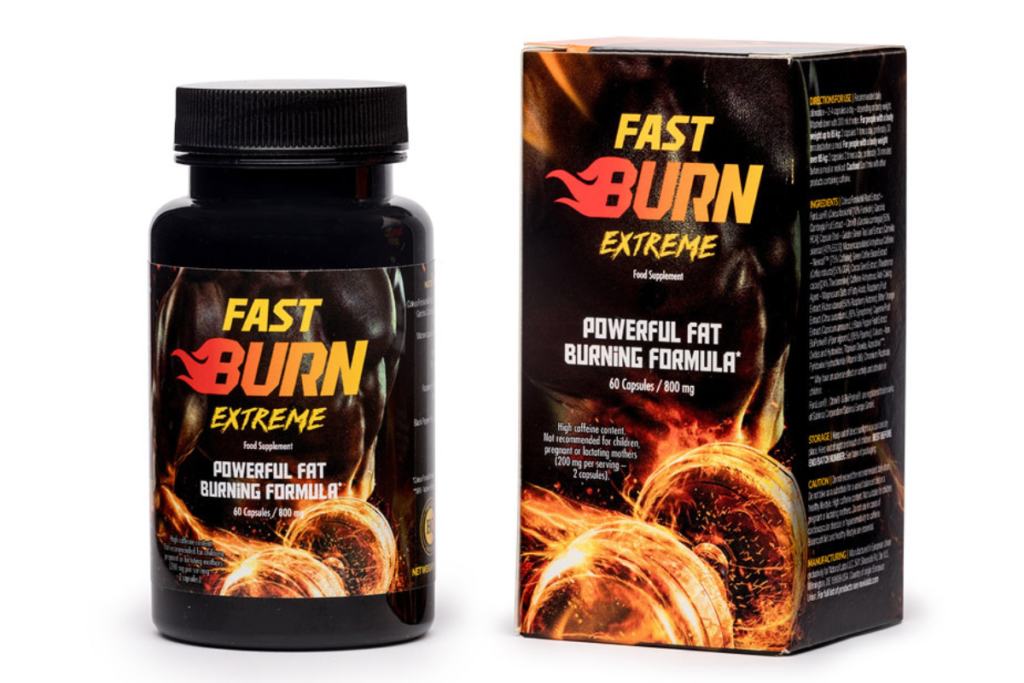
Fast Burn Extreme
Fast Burn Extreme is a multi-ingredient dietary supplement marketed toward physically active adults who want additional nutritional support during their weight management journey.
The formula includes several commonly used ingredients found in weight management supplements, such as botanical extracts and naturally occurring stimulants.
Potential Features
- Supports normal metabolic function.
- Helps maintain energy during active lifestyles.
- May complement a structured nutrition and exercise program.
Best Suited For
Adults who:
- Exercise regularly.
- Follow a balanced eating plan.
- Want an additional nutritional support product alongside healthy lifestyle habits.
May Not Be Appropriate For
Individuals who:
- Are sensitive to caffeine.
- Have been advised to limit stimulant intake.
- Are pregnant or breastfeeding.
- Have allergies to any listed ingredients.
Learn more on the official product page before deciding whether it is appropriate for your individual needs.
Expert Recommendations
Health professionals generally recommend viewing dietary supplements as one small part of a comprehensive weight management strategy.
To maximize potential benefits:
- Follow the manufacturer’s usage instructions.
- Maintain a balanced diet.
- Continue regular exercise.
- Stay hydrated.
- Prioritize recovery and sleep.
- Monitor your body’s response.
If you have an existing medical condition or take prescription medication, consult a qualified healthcare professional before starting any dietary supplement.
Possible Considerations
Some weight management supplements contain caffeine or other stimulants.
Depending on the individual, these ingredients may contribute to:
- Difficulty sleeping.
- Increased nervousness.
- Faster heart rate.
- Jitters or restlessness.
Reading the product label carefully and avoiding excessive caffeine from multiple sources may help reduce unwanted effects.
Frequently Asked Questions
Do I need supplements to lose weight?
No. Many people successfully lose weight through balanced nutrition, regular exercise, and healthy lifestyle habits alone. Supplements may serve as optional support for some individuals.
Are results guaranteed?
No. Weight loss outcomes differ from person to person and depend on numerous factors, including nutrition, physical activity, sleep, consistency, genetics, and overall health.
How long does it take to notice changes?
Timelines vary considerably. Sustainable weight management is generally measured over weeks and months rather than days.
Can women use weight management supplements?
Many products are formulated for healthy adult men and women. However, pregnant or breastfeeding women should avoid using such supplements unless specifically advised by a healthcare professional.
Final Thoughts
Successful weight loss for active individuals is about much more than simply eating less.
The most sustainable approach combines balanced nutrition, consistent physical activity, resistance training, quality sleep, stress management, and realistic expectations.
Dietary supplements may complement these healthy habits for some adults, but they should never replace the foundations of a healthy lifestyle. Lasting progress is typically achieved through consistent daily choices rather than short-term solutions.
Author Bio
R Hallou is a health and nutrition writer at Bionatry, where he creates evidence-based wellness content focused on sustainable weight management, nutrition, and healthy lifestyle strategies. His work emphasizes balanced, research-informed information to help readers make informed health decisions.https://www.bionatry.com
Related Articles
Disclaimer
This article is provided for educational and informational purposes only and should not be considered medical advice, diagnosis, or treatment. Dietary supplements are not intended to diagnose, treat, cure, or prevent any disease. Individual results vary. Always consult a qualified healthcare professional before making significant changes to your diet, exercise routine, or supplement use.