
bionatry: 28, may, 2026
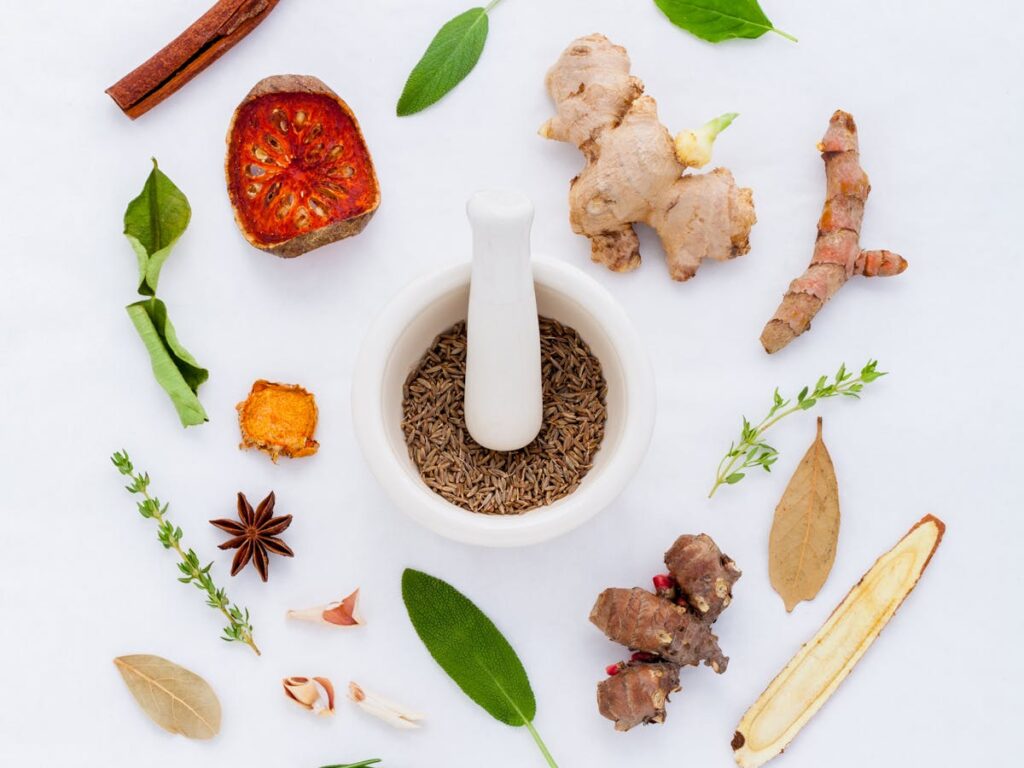
supplements and vitamins placed beside a fresh salad and colorful fruits on a wooden table to support a healthy diet.
Dietary Supplements in 2026: How to Strengthen Your Diet Safely and Effectively
In 2026, the U.S. dietary supplement market has grown into a multi-billion-dollar industry, transforming the way people approach nutrition and wellness. The real question is no longer “Should I take supplements?” but rather “How can I use supplements safely and effectively?”
Today’s consumers are moving away from generic “one-size-fits-all” multivitamins and toward a more targeted, symptom-focused approach. Americans are increasingly searching for solutions to specific concerns such as bloating, low magnesium levels, fatigue, muscle recovery, and healthy aging support.
However, despite the growing demand, many supplements enter the market without strict pre-market testing. This creates a dangerous gap between the desire to improve health and the risk of using ineffective, low-quality, or even harmful products.
This guide breaks down the hidden risks of dietary supplements and provides practical, evidence-based strategies to help you support your diet safely in 2026.
The Hidden Risks of Dietary Supplements
1. “Natural” Does Not Always Mean Safe
One of the biggest misconceptions in the supplement industry is the belief that “natural” automatically means harmless.
Some herbal products may contain contaminants such as heavy metals, pesticides, or toxins due to poor manufacturing standards. Low-quality turmeric supplements, for example, have occasionally been linked to heavy metal contamination, while poorly processed spirulina products may contain harmful toxins.
Another serious issue is supplement-drug interaction.
Popular herbal ingredients like St. John’s Wort may interfere with prescription medications, including antidepressants, heart medications, and birth control pills. These interactions can reduce medication effectiveness or create dangerous side effects.
If you take supplements without informing your healthcare provider, you may unintentionally increase your health risks.
2. The “Expensive Urine” Problem
Many people use supplements as a form of nutritional insurance. Unfortunately, this often leads to unnecessary spending rather than better health.
Water-soluble vitamins such as Vitamin C and most B vitamins are only absorbed in the amounts your body needs. Excess amounts are typically excreted through urine.
This means taking large doses without a documented deficiency may simply waste money.
More importantly, supplements should never replace nutrient-rich whole foods. Vegetables, fruits, legumes, seeds, and high-quality proteins provide fiber, antioxidants, phytonutrients, and complex compounds that isolated supplements cannot fully replicate.
Research consistently shows that nutrients from whole foods are generally absorbed and utilized more effectively than nutrients from isolated synthetic sources.
3. When More Becomes Dangerous
In today’s competitive supplement market, some brands promote extremely high dosages to make products appear more powerful.
But excessive supplementation can be harmful.
Overconsumption of Vitamin B6 has been associated with nerve damage. Excessive Vitamin A intake may contribute to liver toxicity, while very high Omega-3 intake could increase bleeding risks or affect heart rhythm in certain individuals.
Fat-soluble vitamins — including Vitamins A, D, E, and K — are especially important to monitor because the body stores them over time.
Long-term overdosing may cause serious health complications that develop gradually and silently.
How to Use Supplements Safely in 2026
1. Treat Deficiencies — Don’t Guess
The smartest supplement strategy begins with testing, not assumptions.
Symptoms such as fatigue, poor sleep, hair thinning, muscle cramps, or brittle nails may indicate nutrient deficiencies, but only proper laboratory testing can confirm the issue.
Practical Action Step
Ask your healthcare provider about testing for:
- Vitamin D
- Vitamin B12
- Iron levels
- Magnesium status
These are among the most common nutrient deficiencies in adults.
If your results are normal, you may not need supplementation at all.
2. Protect Muscle While Losing Weight
The rise of GLP-1 weight-loss medications has introduced a new challenge: rapid muscle loss alongside fat loss.
This has increased interest in strategic supplementation to help preserve lean body mass during dieting.
Evidence-Based Support Strategy
If you are following a calorie-restricted diet or using GLP-1 medications, prioritize:
- High-quality protein intake
- Creatine monohydrate
Creatine is no longer viewed only as a bodybuilding supplement. Modern research supports its benefits for muscle preservation, strength, cognitive performance, and healthy aging.
A daily intake of 3–5 grams of creatine monohydrate is widely studied and considered safe for most healthy adults.
3. Look for Third-Party Verification
Since supplements are not always tested before reaching the market, independent quality certifications are extremely important.
Before purchasing any supplement, look for trusted third-party seals such as:
- USP (United States Pharmacopeia)
- NSF International
- ConsumerLab
These organizations independently test products for ingredient accuracy, purity, and contamination risks.
Third-party certification helps ensure the product actually contains what the label claims.
2026 Supplement Trends to Watch
Cellular Health Supplements
Interest in mitochondrial and cellular health continues to grow rapidly.
Compounds such as:
- Nicotinamide Riboside (NR)
- CoQ10
are increasingly used to support energy production and healthy aging.
Consumers experiencing low energy despite taking multivitamins are shifting focus toward cellular function rather than basic vitamin intake alone.
Magnesium and Zinc Continue to Trend
Magnesium remains one of the most searched supplements online, particularly for:
- Sleep support
- Muscle recovery
- Stress management
- Digestive health
Popular forms include:
- Magnesium Glycinate for relaxation and sleep
- Magnesium Citrate for digestion support
Zinc also remains important for immune health and recovery.
Gummies and Convenient Delivery Formats
Many consumers are experiencing “pill fatigue.”
As a result, gummies, powders, and liquid supplement formats continue gaining popularity due to convenience and improved compliance.
However, taste should never replace quality. Always verify ingredients, dosages, and third-party testing before purchasing.
Based on the analysis above, we have added options that strongly support weight loss. These products have been independently selected to primarily promote sustainable weight management:
✅Natural Supplement for Weight Loss and Wellness
This natural supplement, derived from green barley, is known for its slimming and detoxifying properties. Its formula is based on a legendary ingredient—garcinia cambogia. The interaction between these two active substances produces a very powerful fat burner, which also enhances the feeling of fullness and helps shed several kilograms in a short period of time. It also improves the appearance of skin, hair, and nails.
https://nplink.net/eomgdlw8
✅Dreaming of losing weight while you sleep? Michael lost 31kg in 90 days—no gym, no starvation. A natural 8-ingredient blend that improves sleep and burns fat at rest. Trusted by over 120,000 people. 90-day risk-free money-back guarantee. Get a discount, free shipping, and 2 free books. Start your transformation today.
https://e32e6i1lrzr1oi5fm2l9q3md6l.hop.clickbank.net
✅Meal Replacement Option (When Whole Food Isn’t Practical)
Product: Almased Meal Replacement Shakes
What it offers: 24g protein, 22 vitamins/minerals, and 80 bioactive nutrients per serving.
Who it may suit: People with limited time for meal preparation who struggle to meet protein targets through food alone.
Considerations: Not a permanent substitute for whole foods. Taste preferences vary. Best used occasionally, not as every meal.
View on Amazon https://amzn.to/41LVDOd
✅Digestive Support Option
Product: GLP-1+GIP Weight Management Drops
What it offers: A 7-day formula with natural ingredients aimed at supporting digestion and reducing bloating.
Who it may suit: Those who experience digestive discomfort or bloating while adjusting to a new diet.
Considerations: Designed to complement — not replace — a balanced diet and exercise. Individual results vary. Long-term safety data is limited.
View on AliExpress https://s.click.aliexpress.com/e/_c3oYowd5
Products are chosen independently by us. Purchases made through our links may earn us a commission at no additional cost to you.
Frequently Asked Questions
Can supplements replace a poor diet?
No. Supplements are designed to complement a healthy diet, not replace it. Whole foods provide essential nutrients, fiber, and plant compounds that supplements cannot fully duplicate.
Which vitamins are most dangerous in excessive doses?
Fat-soluble vitamins — especially Vitamins A and D — can become harmful when taken in excessive amounts because the body stores them over time.
How can I tell if a supplement is high quality?
Look for third-party certifications such as USP, NSF, or ConsumerLab. Also choose transparent brands that clearly list ingredients, dosages, and manufacturing standards.
Do recreational athletes need many supplements?
Most people who exercise several times per week only benefit from a few evidence-based supplements, primarily protein and creatine. Avoid unnecessary “muscle-building” blends with unverified ingredients.
Conclusion
Dietary supplements should be viewed as tools — not shortcuts.
A supplement cannot replace healthy eating, regular exercise, quality sleep, and proper medical care. However, when used correctly, the right supplement may help address nutrient deficiencies, support recovery, and improve long-term health outcomes.
The smartest strategy in 2026 is not buying the most expensive product. It is choosing the right supplement based on your body’s actual needs, verified quality standards, and professional guidance.
Start with proper testing, focus on evidence-based nutrition, and use supplements as part of a balanced long-term health strategy.
Author Bio
This article was written by R Hallou, a health and nutrition expert at Bionatry, where he shares practical, evidence-based strategies for sustainable weight management and dietary supplement analysis.
Website: https://Bionatry.com