
bionatry: 05, 06, 2026
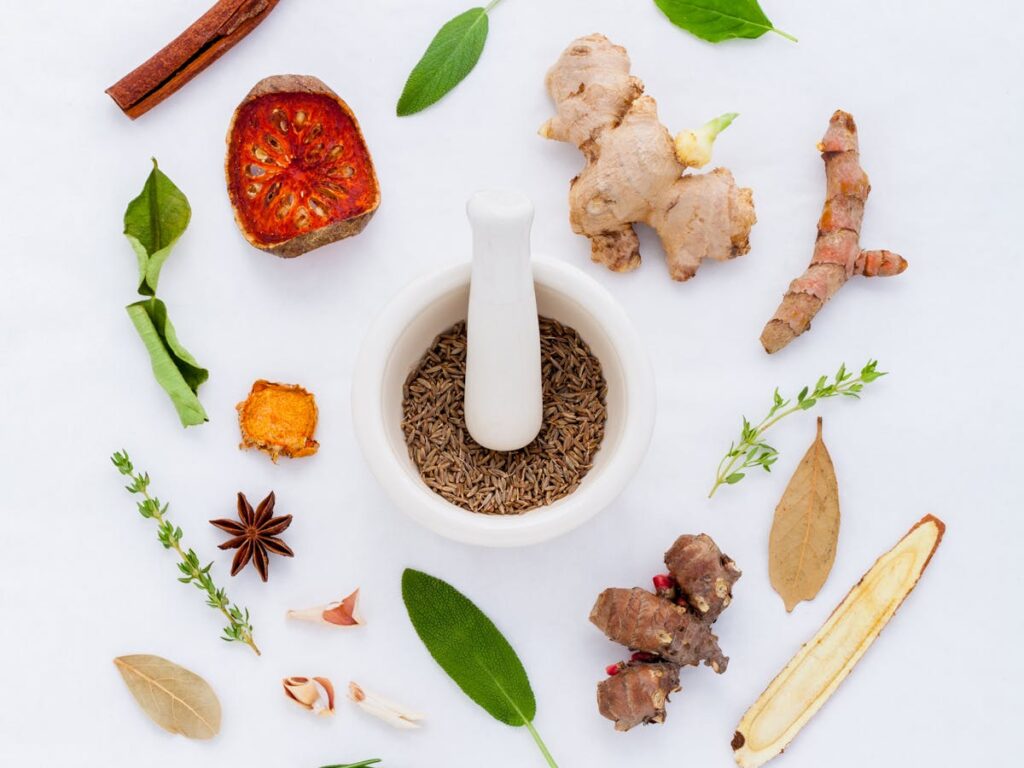
Fresh watermelon slices and other natural supplements, representing healthy weight loss and effective portion control.
Is Watermelon Good for Weight Loss in 2026? The Truth Behind This Trending Diet Question
As summer arrives across the United States, one question is rapidly gaining attention online: Is watermelon good for weight loss?
Google Trends shows growing interest in searches related to watermelon and weight management, alongside other popular topics such as weight loss medication, medical weight loss, weight loss clinic near me, Wegovy weight loss, Ozempic, and which GLP-1 is best for weight loss.
With millions of people searching for effective ways to lose weight, many are turning to natural foods that appear healthy, refreshing, and low in calories. Watermelon often tops the list. Its sweet taste, high water content, and reputation as a “diet-friendly” fruit have made it a favorite among health-conscious consumers.
However, the reality is more complex than many social media posts suggest.
While watermelon can fit into a healthy eating plan, it is not a miracle food. Sustainable weight loss still depends on overall calorie intake, balanced nutrition, regular physical activity, and long-term lifestyle habits.
So, where does watermelon fit into the modern weight loss conversation?
Let’s examine the evidence.
Why Watermelon Is Popular Among People Trying to Lose Weight
Watermelon contains approximately 90% water and relatively few calories compared with many snack foods.
A one-cup serving provides roughly:
- 46 calories
- 11 grams of carbohydrates
- Less than 1 gram of fat
- Small amounts of fiber
- Vitamin C
- Vitamin A
- Lycopene, a powerful antioxidant
Because it contains a large amount of water, watermelon can create a feeling of fullness while contributing relatively few calories to the diet.
This characteristic makes it attractive to individuals who are trying to reduce overall calorie intake without feeling deprived.
For someone replacing high-calorie desserts or processed snacks with fresh watermelon, the switch may help reduce daily energy consumption and support weight management goals.
Does Watermelon Burn Fat?
One of the most common misconceptions is that watermelon directly burns body fat.
No scientific evidence supports this claim.
Watermelon does not contain any special compound capable of targeting belly fat or accelerating fat loss independently.
Fat loss occurs when the body consistently uses more energy than it consumes over time.
This process is influenced by:
- Total calorie intake
- Physical activity levels
- Protein consumption
- Sleep quality
- Stress management
- Hormonal health
Watermelon can support a calorie-controlled diet because it is relatively low in calories, but it does not function as a fat-burning food.
Any article or advertisement claiming that watermelon specifically melts fat should be approached with caution.
The Blood Sugar Question
A common concern surrounding watermelon involves its effect on blood sugar.
Watermelon has a relatively high glycemic index compared with many fruits. This means its carbohydrates can be absorbed fairly quickly.
However, glycemic index alone does not tell the whole story.
A typical serving of watermelon contains a relatively small amount of carbohydrates, resulting in a moderate glycemic load when consumed in reasonable portions.
Problems may arise when portion sizes become excessive.
Many people consume several cups of watermelon in one sitting because it feels light and healthy. Large servings can significantly increase sugar intake and may contribute to fluctuations in blood glucose levels, particularly among individuals with insulin resistance or diabetes.
For better blood sugar control, experts often recommend pairing watermelon with a protein source such as:
- Greek yogurt
- Cottage cheese
- Nuts
- Seeds
- Hard-boiled eggs
This simple strategy may help improve satiety and reduce rapid changes in blood sugar levels.
Watermelon vs. Modern Weight Loss Trends
The weight loss industry in 2026 looks very different than it did just a few years ago.
Searches for medical weight loss, weight loss services, and GLP-1 medications continue to increase.
Drugs such as Wegovy and Ozempic have transformed the conversation around obesity management by helping many individuals reduce appetite and calorie intake.
It is important to understand that watermelon and GLP-1 medications operate in completely different ways.
GLP-1 medications influence hormones involved in hunger regulation and digestion.
Watermelon does not affect these pathways.
Instead, its benefits come from:
- Low calorie density
- High water content
- Natural sweetness
- Nutritional value
As a result, watermelon should not be viewed as an alternative to medically prescribed treatments when those treatments are appropriate.
Rather, it can be part of a healthy eating pattern that supports overall weight management.
Can Watermelon Help Reduce Cravings?
For many people, one of the biggest challenges during weight loss is controlling cravings for sweets.
This is where watermelon may offer a practical advantage.
Its natural sweetness can help satisfy the desire for sugary foods while providing fewer calories than many desserts.
For example, replacing:
- Cookies
- Candy bars
- Ice cream
- Sugary pastries
with a moderate serving of watermelon may reduce overall calorie intake.
However, moderation remains essential.
Consuming large quantities simply because a food is healthy can still contribute to excessive calorie consumption.
The goal is balance, not unlimited portions.
Best Ways to Include Watermelon in a Weight Loss Diet
Watermelon works best when incorporated into a balanced meal plan rather than used as a standalone solution.
Some effective strategies include:
Pair It With Protein
Combining watermelon with protein may help increase fullness and improve appetite control.
Examples include:
- Watermelon and Greek yogurt
- Watermelon and cottage cheese
- Watermelon with almonds or walnuts
Use It in Weight Loss Smoothies
Interest in best smoothie recipes for weight loss continues to rise.
Watermelon can be an excellent smoothie ingredient when combined with:
- Greek yogurt
- Protein powder
- Spinach
- Chia seeds
- Flaxseeds
This approach creates a more balanced nutritional profile than fruit-only smoothies.
Enjoy It After Exercise
After physical activity, the body may utilize carbohydrates more efficiently.
A portion-controlled serving of watermelon can provide hydration and carbohydrates following a workout.
Common Mistakes to Avoid
Many people unintentionally reduce the benefits of watermelon by making simple mistakes.
Using Watermelon as a Meal Replacement
Watermelon lacks sufficient protein and healthy fats to serve as a complete meal.
Replacing entire meals with watermelon often leads to hunger and overeating later in the day.
Drinking Watermelon Juice
Juicing removes much of the fruit’s natural structure.
As a result, calories are consumed more quickly and satiety may decrease.
Whole watermelon is generally a better choice.
Ignoring Portion Sizes
Even healthy foods contain calories.
A reasonable serving is typically one to two cups, depending on individual needs.
Expecting Miraculous Results
No single food can replace the fundamentals of weight loss.
Long-term success depends on consistent habits rather than dietary shortcuts.
Who Should Be More Careful?
While watermelon is safe for most healthy adults, certain individuals may need additional caution.
This includes people with:
- Type 2 diabetes
- Prediabetes
- Insulin resistance
- Blood sugar management concerns
These individuals may benefit from monitoring their personal response and consuming watermelon alongside protein-rich foods.
Anyone participating in a structured medical weight loss program should follow guidance provided by their healthcare professional.
What Makes Watermelon Different From Other Fruits?
Compared with many fruits, watermelon offers exceptional hydration.
However, some fruits provide additional advantages for weight management.
For example:
Strawberries
- Lower glycemic load
- Higher fiber content
- Rich in antioxidants
Apples
- More fiber
- Greater satiety
- Convenient snack option
Pears
- High fiber
- Slower digestion
- Strong appetite-control benefits
This does not mean watermelon is inferior.
Instead, it highlights the importance of variety.
A healthy diet should include multiple fruits rather than relying exclusively on one.
The Bottom Line
So, is watermelon good for weight loss?
Yes—but with realistic expectations.
Watermelon is low in calories, rich in water, naturally sweet, and easy to incorporate into a healthy eating pattern. These characteristics can make it a useful tool for managing calorie intake and replacing higher-calorie snacks.
At the same time, watermelon is not a fat-burning superfood.
It cannot replace balanced nutrition, regular exercise, adequate protein intake, quality sleep, or evidence-based weight management strategies.
Whether you are exploring natural nutrition approaches, searching for the best smoothie recipes for weight loss, or learning about medical weight loss options such as Wegovy and Ozempic, the same principle remains true:
Sustainable weight loss comes from consistent habits—not from any single food.
Watermelon can certainly be part of that journey. Just don’t expect it to do all the work.
Based on the analysis above, we have added options that strongly support weight loss. These products have been independently selected to primarily promote sustainable weight management:
✅Natural Supplement for Weight Loss and Wellness
This natural supplement, derived from green barley, is known for its slimming and detoxifying properties. Its formula is based on a legendary ingredient—garcinia cambogia. The interaction between these two active substances produces a very powerful fat burner, which also enhances the feeling of fullness and helps shed several kilograms in a short period of time. It also improves the appearance of skin, hair, and nails.
https://nplink.net/eomgdlw8
✅Dreaming of losing weight while you sleep? Michael lost 31kg in 90 days—no gym, no starvation. A natural 8-ingredient blend that improves sleep and burns fat at rest. Trusted by over 120,000 people. 90-day risk-free money-back guarantee. Get a discount, free shipping, and 2 free books. Start your transformation today.
https://e32e6i1lrzr1oi5fm2l9q3md6l.hop.clickbank.net
✅Meal Replacement Option (When Whole Food Isn’t Practical)
Product: Almased Meal Replacement Shakes
What it offers: 24g protein, 22 vitamins/minerals, and 80 bioactive nutrients per serving.
Who it may suit: People with limited time for meal preparation who struggle to meet protein targets through food alone.
Considerations: Not a permanent substitute for whole foods. Taste preferences vary. Best used occasionally, not as every meal.
View on Amazon https://amzn.to/41LVDOd
✅Digestive Support Option
Product: GLP-1+GIP Weight Management Drops
What it offers: A 7-day formula with natural ingredients aimed at supporting digestion and reducing bloating.
Who it may suit: Those who experience digestive discomfort or bloating while adjusting to a new diet.
Considerations: Designed to complement — not replace — a balanced diet and exercise. Individual results vary. Long-term safety data is limited.
View on AliExpress https://s.click.aliexpress.com/e/_c3oYowd5
Products are chosen independently by us. Purchases made through our links may earn us a commission at no additional cost to you.
Frequently Asked Questions
Is watermelon good for weight loss?
Yes. Watermelon is low in calories and high in water content, making it a helpful addition to a calorie-controlled diet when consumed in reasonable portions.
Can watermelon burn belly fat?
No. No food specifically targets belly fat. Fat loss occurs through an overall calorie deficit combined with healthy lifestyle habits.
Is watermelon better than other fruits for weight loss?
Not necessarily. Some fruits, such as berries, apples, and pears, contain more fiber and may provide greater satiety.
Can I eat watermelon every day?
Yes. Most healthy adults can enjoy watermelon daily as part of a balanced diet, provided portions remain reasonable.
What is the healthiest way to eat watermelon?
The healthiest approach is to consume fresh watermelon alongside a source of protein or healthy fats to improve satiety and support blood sugar management.
Author Bio
R Hallou is a nutrition researcher and health content specialist at Bionatry. He focuses on evidence-based weight management strategies, dietary supplements, and practical nutrition guidance designed to help readers make informed health decisions.https://www.bionatry.com