
Article update : July, 6, 2026
The Bulletproof Coffee That Helped Control Appetite, Boost Energy, and Support Real Weight Loss
The Science Behind Functional Coffee: Understanding Appetite Control, Energy, and Healthy Weight Management
Functional coffee has become one of the most talked-about wellness trends in recent years. Unlike traditional coffee, these specialized blends often combine premium coffee with ingredients such as medium-chain triglycerides (MCTs), plant extracts, and selected micronutrients designed to complement an active and balanced lifestyle.
Many people choose functional coffee to help them stay energized, improve focus, or make it easier to manage hunger throughout the day. While these products continue to grow in popularity, understanding the science behind their ingredients is essential before deciding whether they fit your personal nutrition goals.
Current research suggests that certain ingredients commonly used in functional coffee may contribute to feelings of fullness, support normal energy metabolism, and complement healthy weight-management strategies when combined with a nutritious diet and regular physical activity. However, no single beverage can replace long-term healthy lifestyle habits.
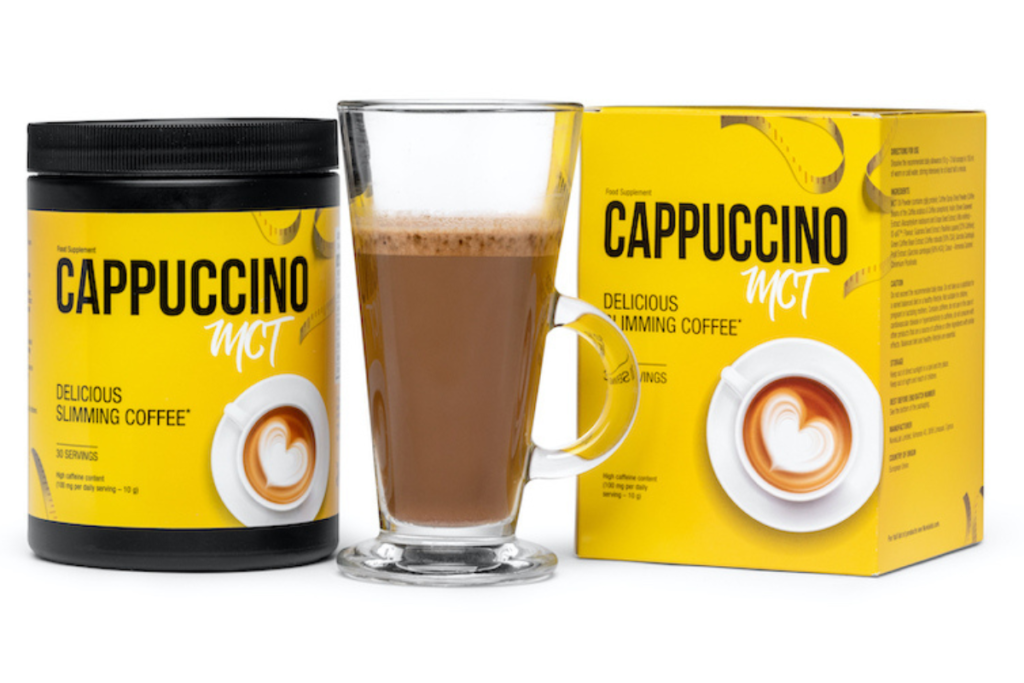
This article explores how functional coffee works, examines the scientific evidence behind its most common ingredients, and discusses realistic expectations for individuals interested in products such as Cappuccino MCT.
What Makes Functional Coffee Different?
Traditional coffee primarily provides caffeine, a naturally occurring compound known for promoting alertness and temporarily reducing fatigue. Functional coffee goes a step further by combining coffee with additional ingredients selected for their potential nutritional benefits.
One of the most common additions is MCT oil, which has attracted scientific attention because of its unique metabolism compared with conventional dietary fats.
Depending on the formulation, functional coffee may also include botanical extracts, minerals, or other ingredients intended to complement healthy eating patterns. Each ingredient serves a different purpose, making the overall formula more comprehensive than ordinary coffee alone.
Rather than acting as a weight-loss solution, functional coffee is generally intended to support broader wellness goals, including sustained energy, appetite awareness, and metabolic balance.
Understanding the Role of MCTs
Medium-chain triglycerides (MCTs) are a category of fats naturally found in coconut oil and palm kernel oil. Unlike long-chain fats, MCTs are absorbed and transported to the liver more rapidly, where they can be converted into a readily available energy source.
Because of this faster metabolic pathway, researchers have studied MCTs for their potential role in supporting energy production and fat metabolism.
Among the various MCTs, caprylic acid (C8) is often considered the most efficient at increasing ketone production. Ketones are compounds the body can use for energy when carbohydrate availability is reduced.
Although nutritional ketosis is often associated with ketogenic diets, moderate ketone production may also occur after consuming certain MCTs, depending on the individual’s diet and metabolism.
Researchers continue investigating how this process may influence appetite regulation, energy availability, and metabolic flexibility.
Functional Coffee and Appetite Control
Managing hunger is one of the biggest challenges for people working toward a healthy body weight.
Several ingredients commonly found in functional coffee may help increase satiety through different physiological mechanisms.
Healthy fats naturally slow stomach emptying compared with carbohydrate-only beverages. As digestion progresses more gradually, many individuals experience longer-lasting feelings of fullness.
Meanwhile, MCT-derived ketones have been investigated for their possible influence on hormones involved in appetite regulation. Early research suggests these metabolic changes may contribute to reduced hunger in some individuals, although responses differ considerably between people.
Caffeine may also temporarily decrease appetite for certain individuals, especially when consumed earlier in the day. However, this effect is generally modest and should not be viewed as a substitute for balanced meals or appropriate calorie intake.
For people following lower-carbohydrate eating patterns or intermittent fasting schedules, functional coffee may help make fasting periods feel more manageable. Even so, fasting practices vary, and anyone with medical conditions should seek individualized guidance from a qualified healthcare professional.
Supporting Stable Energy Throughout the Day
One reason functional coffee has gained popularity is its potential to provide more sustained energy than coffee alone.
Caffeine works by stimulating the central nervous system, helping improve alertness, concentration, and reaction time for several hours.
When combined with MCTs, the body gains access to an additional fuel source through ketone production. Some individuals report experiencing smoother, longer-lasting energy without the noticeable highs and lows sometimes associated with high-sugar beverages.
Although personal experiences vary, researchers continue exploring whether this combination may benefit both physical and mental performance during periods of reduced carbohydrate intake.
It is important to remember that sleep quality, hydration, physical activity, and overall nutrition remain the primary factors influencing daily energy levels.
Can Functional Coffee Support Weight Management?
Weight management is influenced by many interconnected factors, including dietary habits, physical activity, sleep, stress levels, genetics, and long-term consistency.
Functional coffee should therefore be viewed as one possible component of a healthy lifestyle rather than a standalone solution.
Several mechanisms may contribute to its supportive role.
First, caffeine temporarily increases thermogenesis, meaning the body uses slightly more energy during digestion and metabolism.
Second, improved satiety may naturally help some individuals reduce unnecessary snacking throughout the day.
Third, MCTs appear to be metabolized differently from many traditional fats, making them an interesting area of nutritional research.
While these mechanisms are scientifically plausible, their overall impact tends to be modest. Sustainable weight management continues to depend primarily on maintaining appropriate calorie intake, consuming nutrient-dense foods, engaging in regular physical activity, and following habits that can be maintained over time.
For this reason, experts generally recommend using functional foods as supportive tools instead of expecting dramatic results from any single product.
Additional Ingredients Often Included in Functional Coffee
Many modern formulations combine MCTs with carefully selected plant extracts that have been investigated for their complementary nutritional properties.
For example, some products include green coffee bean extract, which naturally contains chlorogenic acids that have been studied for their potential influence on glucose metabolism.
Others contain guarana extract, another natural source of caffeine that may contribute to alertness and endurance.
Chromium is sometimes added because it contributes to normal macronutrient metabolism and helps maintain normal blood glucose levels as part of a balanced diet.
Certain formulations also include botanical ingredients such as Garcinia cambogia or proprietary plant complexes designed to complement healthy eating habits. While preliminary research exists for several of these ingredients, the quality and consistency of available evidence vary, and additional high-quality clinical studies remain necessary.
Products like Cappuccino MCT combine several of these ingredients into a single serving, providing consumers with a convenient functional beverage. As with any dietary supplement, the overall benefit depends on the complete dietary pattern, lifestyle habits, and individual response rather than on one ingredient alone.
Evaluating the Scientific Evidence
Interest in functional coffee continues to grow, but understanding the quality of the available research is just as important as understanding the ingredients themselves.
Many studies investigating MCTs, caffeine, and botanical extracts have produced encouraging findings. However, research outcomes are not always consistent, and the strength of the evidence varies depending on study design, participant characteristics, dosage, and duration.
For example, several clinical studies suggest that MCTs may modestly increase energy expenditure and promote greater feelings of fullness compared with some conventional dietary fats. Other studies have found only limited effects, particularly when MCT intake is low or when participants already follow balanced eating habits.
Similarly, caffeine has been extensively studied for its ability to increase alertness and temporarily enhance metabolic rate. Yet individual tolerance differs considerably. Factors such as habitual caffeine intake, genetics, age, and overall health can influence how someone responds.
Plant-based ingredients commonly included in functional coffee have also been investigated, although many require additional large-scale human studies before firm conclusions can be drawn. As a result, reputable nutrition professionals generally recommend viewing these ingredients as supportive components of a healthy lifestyle rather than guaranteed solutions.
Overall, current scientific evidence suggests that functional coffee may complement healthy nutrition habits for some individuals, but it should not replace balanced eating patterns, regular exercise, or professional medical advice when needed.
Safety Considerations
Functional coffee is generally well tolerated by healthy adults when consumed according to the manufacturer’s directions. Nevertheless, no dietary supplement is suitable for everyone.
People who are sensitive to caffeine may experience symptoms such as nervousness, restlessness, increased heart rate, difficulty sleeping, or digestive discomfort.
Individuals who are new to MCTs may occasionally notice mild gastrointestinal effects, including bloating or stomach discomfort. Starting with smaller servings and increasing intake gradually may improve tolerance for some users.
Because functional coffee can contain a meaningful amount of calories depending on its ingredients, it should be incorporated into an individual’s daily nutrition plan rather than added without considering total energy intake.
People who are pregnant, breastfeeding, taking prescription medications, or managing chronic medical conditions should consult a qualified healthcare professional before introducing any new dietary supplement into their routine.
Choosing a High-Quality Functional Coffee
Not every functional coffee product offers the same formulation or manufacturing standards.
When comparing products, consider several important factors.
Transparent Ingredient Labels
High-quality products clearly disclose every active ingredient and its amount per serving. Transparent labeling allows consumers to compare formulas with published scientific research.
MCT Composition
The specific type of MCT matters. Products containing caprylic acid (C8) are often selected because this form has been widely studied for efficient ketone production.
Manufacturing Standards
Look for manufacturers that follow recognized quality-control practices and produce supplements in facilities that comply with established safety standards.
Evidence-Based Formulation
A carefully balanced formula should combine ingredients supported by credible scientific research while avoiding unrealistic promises or exaggerated marketing claims.
Realistic Health Claims
Responsible companies explain that dietary supplements are intended to support overall wellness and healthy lifestyle habits—not diagnose, treat, cure, or prevent diseases.
Spotlight on Cappuccino MCT
Among the growing selection of functional coffee products, Cappuccino MCT combines premium coffee with MCT oil and several complementary ingredients selected to support active lifestyles.
Its formula includes:
- MCT Oil Powder to provide a rapidly available energy source.
- Green Coffee Bean Extract as a natural source of chlorogenic compounds.
- Guarana Extract to complement caffeine content and support alertness.
- Chromium to contribute to normal macronutrient metabolism and normal blood glucose maintenance.
- Additional plant-based ingredients designed to complement balanced nutrition.
For individuals following lower-carbohydrate eating plans or seeking a convenient functional beverage, this type of formulation may fit into a comprehensive wellness routine.
As with any dietary supplement, the greatest benefits are likely to occur when it is combined with nutritious eating habits, regular physical activity, adequate sleep, proper hydration, and long-term consistency.
Frequently Asked Questions
Does functional coffee help with weight loss?
Functional coffee may support weight-management efforts by helping some individuals feel fuller for longer and by providing a temporary increase in energy expenditure. However, meaningful and lasting weight loss depends on maintaining healthy eating habits, regular physical activity, and an overall calorie balance.
Can I drink functional coffee every day?
Many healthy adults enjoy functional coffee as part of their daily routine. However, total caffeine intake from all sources should remain within appropriate limits, and individuals should monitor their personal tolerance.
How quickly can I notice results?
Experiences vary widely. Some people notice increased alertness shortly after consumption, while changes related to appetite or weight management generally require consistent healthy lifestyle habits maintained over several weeks or months.
Is functional coffee suitable during intermittent fasting?
Some individuals include functional coffee in their fasting routine, particularly lower-carbohydrate eating plans. Whether this fits a specific fasting approach depends on individual goals and the particular fasting protocol being followed.
Are there any side effects?
Possible side effects may include digestive discomfort or caffeine-related symptoms, especially among individuals who are sensitive to stimulants or are consuming MCTs for the first time.
Final Thoughts
Functional coffee represents an interesting development in modern nutrition by combining traditional coffee with ingredients that may support energy production, appetite awareness, and metabolic health.
Current scientific evidence suggests that ingredients such as MCTs and caffeine may provide modest benefits when incorporated into an overall healthy lifestyle. Nevertheless, expectations should remain realistic. No beverage or dietary supplement can replace balanced nutrition, regular exercise, sufficient sleep, and consistent healthy habits.
For individuals seeking a convenient addition to their wellness routine, products such as Cappuccino MCT may offer practical support as part of a broader nutrition strategy. Choosing high-quality products, following recommended serving sizes, and maintaining a sustainable lifestyle remain the foundations of long-term success.
Author Bio
R. Hallou is a health and nutrition writer at Bionatry, where he creates evidence-informed educational content focused on healthy weight management, nutrition science, dietary supplements, and practical wellness strategies. His work emphasizes balanced, transparent information that helps readers make informed decisions while supporting long-term healthy lifestyle habits.https://www.bionatry.com