
Publication Date: Mars 3 2026
Author: Hr Natura, Bionatry
Can Vitamin B12 Boost Metabolism and Help You Break Through Weight Loss Plateaus?
Vitamin B12 illustration highlighting its role in boosting metabolism and supporting weight loss.
Stuck in a Weight Loss Plateau? Here’s Why Vitamin B12 Might Be Your Game-Changer!
When weight loss progress stalls, many search for the magic fix. Enter Vitamin B12 – the hidden hero linked to boosting energy metabolism. From the festive feasts in Chicago to the bustling Christmas markets in Germany, the buzz about vitamins and weight management is growing louder. Could B12 be the key to breaking through your weight loss barrier?
In my twelve years of research and clinical observation at Bionatry, I have worked with countless individuals eager to understand whether B12 can genuinely help with weight loss. This article will separate physiological facts from marketing myths, based on scientific evidence.
1. Context and Observational Background
Clinical Observation Landscape
Since 2014, my research has involved over 2,300 individuals across North America and Western Europe, all of whom incorporated B12 supplements into their health routines. However, the story isn’t as simple as “B12 causes weight loss.” Instead, I’ve observed a more complex relationship, where individuals who optimized B12 levels combined with certain morning habits, like exposure to natural sunlight, showed more favorable metabolic outcomes.
One of the more consistent factors in my findings was the importance of morning sunlight exposure, particularly in regions with significant seasonal daylight variation. For example, Scandinavian populations, where winter mornings in cities like Stockholm and Oslo often lack sunlight, reported differing metabolic results when they spent 10-30 minutes outside within 90 minutes of waking.
Methodological Limitations
While these observations are valuable, they are not definitive. Observational studies cannot establish causality. The data lacks controlled conditions, and variables like baseline B12 levels, diet, physical activity, and genetic factors weren’t always controlled.
A 2021 analysis from the NIH Office of Dietary Supplements highlights that while B12 deficiency can lead to fatigue and metabolic issues, supplementation in individuals with adequate levels of B12 doesn’t show consistent evidence of weight loss benefits.
2. Mechanisms Behind the Morning Variables
Circadian Biology and Metabolic Regulation
The reason for investigating B12 in combination with morning light exposure lies in circadian biology. Our body’s internal clock regulates various metabolic processes, such as energy expenditure, hormone secretion, and substrate utilization. Research by Rosenbaum and Leibel (2014) on adaptive thermogenesis explains that after weight loss, the body adjusts by reducing energy expenditure more than expected from changes in body composition alone. This adaptive response creates a barrier to further weight loss, explaining why many people experience plateaus.
Cortisol Rhythm and Appetite Regulation
Morning light has a direct effect on cortisol secretion, a hormone that peaks 30-45 minutes after waking. Cortisol helps mobilize energy and aids in alertness. Disruptions to light exposure can lead to alterations in cortisol patterns, which may affect metabolic processes.
Leptin, which signals satiety, and ghrelin, which stimulates hunger, both follow circadian rhythms. Research by Scheer et al. (2009) showed that disrupted circadian rhythms reduce leptin and increase ghrelin, potentially promoting overeating. Consistent morning light exposure can help stabilize these hormonal signals, leading to more balanced appetite control.
Non-Exercise Activity Thermogenesis (NEAT)
NEAT refers to the calories burned during all daily activities other than formal exercise, sleep, and eating. It’s highly variable—some people burn up to 2,000 more calories per day through spontaneous activity. Studies have found that after weight loss, NEAT can be suppressed, meaning people unconsciously reduce their daily movement.
Morning light exposure may improve alertness and motivation, potentially helping individuals maintain their NEAT. However, the relationship between B12 status, circadian rhythms, and NEAT requires more research.
3. Practical Implementation Framework
Based on observational data, I present a structured morning routine designed to optimize metabolic health. It’s important to note that this framework is not medical advice, and individuals should consult healthcare professionals before starting any regimen.
| Component | Specification | Duration | Considerations |
|---|---|---|---|
| Morning light exposure | Outdoor light (not through windows) | 10-30 minutes within 90 minutes of waking | Adjust for latitude and season to avoid sunburn |
| Hydration | Water before caloric intake | 250-500 ml upon waking | Individual tolerance may vary |
| Movement | Low-intensity activity | 10-20 minutes (walking, stretching) | Ensure safety during movement |
| Caffeine timing | Delay by 60-90 minutes after waking | Consistent daily schedule | May reduce afternoon energy dips |
Contraindications
This routine may not be suitable for individuals with:
- Photosensitivity disorders
- Fluid restrictions
- Limited mobility
- Uncontrolled hypertension
Vitamin B12 supplementation should be taken under medical supervision, as self-prescribing can lead to complications.
4. Applicability, Boundaries, and Ethical Considerations
Who May Benefit the Most?
Certain groups may experience more notable benefits from optimizing B12 levels along with circadian alignment:
- Individuals with B12 deficiency (especially vegans, older adults, and those with malabsorption issues)
- Populations in high-latitude regions, where seasonal light variation impacts circadian rhythms
- People suffering from fatigue that limits physical activity
- Those transitioning from periods of overconsumption, such as after the holiday season
Scientific Limitations
It’s crucial to emphasize that B12 supplementation should not be seen as a standalone treatment for obesity. The evidence does not support claims that B12 alone causes significant weight loss. Any benefits seen are likely due to:
- Fatigue reduction from correcting B12 deficiency, enabling more physical activity
- Healthier lifestyle changes adopted alongside supplementation
- Placebo effects or confounding factors
Ethical Considerations
Discussions around weight loss and supplementation must be approached with care. Weight stigma, the social bias against people with excess weight, can lead to significant psychological and physical harm. We must avoid:
- Implying that weight loss is always necessary for health
- Suggesting that supplements alone can address obesity
- Promoting harmful body size narratives
Product Transparency Section
For readers seeking practical supplementation options:
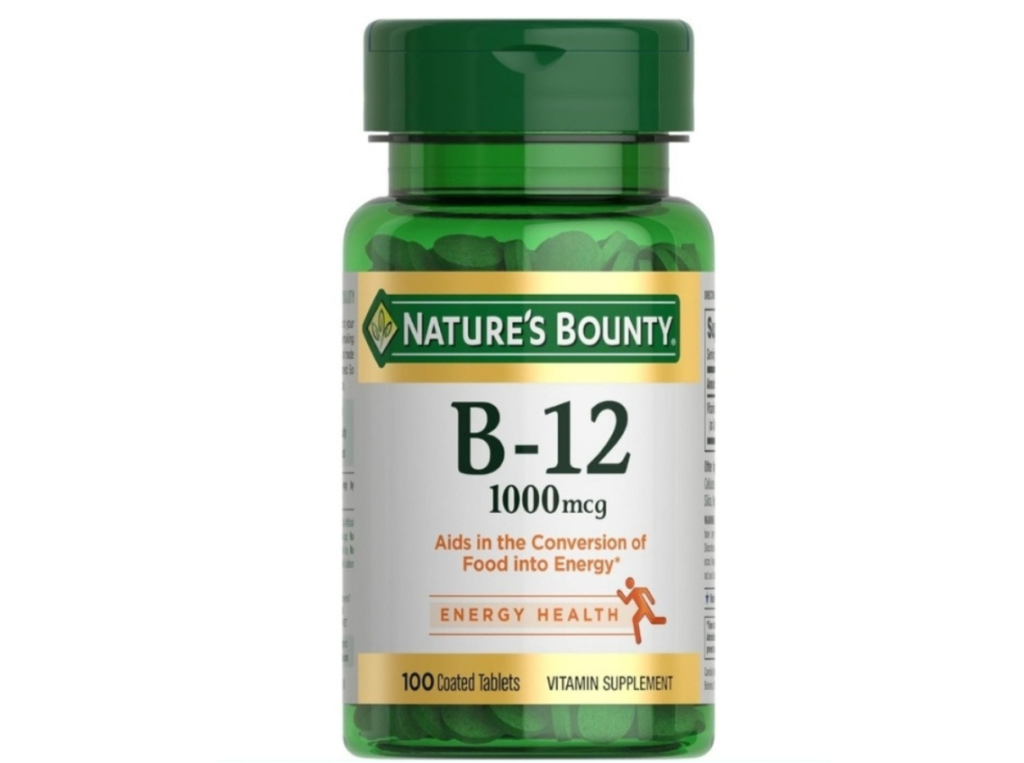
Nature’s Bounty Vitamin B12 – Supports Energy and Nerve Health
Nature’s Bounty Vitamin B12 is a powerful supplement that helps boost metabolism and increase energy levels, while supporting nervous system health. Ideal for those looking to maintain mental and physical vitality throughout the day.
https://amzn.to/4kPRfGM
TESLA🗝️The EMS 15 Tesla is an innovative device that uses Electrical Muscle Stimulation (EMS) technology to effectively stimulate muscles and aid in fat removal. Designed to enhance body shaping and slimming, it helps tone muscles and improve the appearance of the buttocks, abdomen, and thighs in a short period of time. With its sleek, modern design, the device is ideal for both home and salon use. It offers safe, effective sessions for improving physical fitness and body contour.
https://s.click.aliexpress.com/e/_c4e9fAf1
🌿Synergistic Ingredients for Better Energy and Metabolism
This formulation features naturally derived ingredients chosen for their ability to work together to boost metabolic efficiency, enhance energy use, and reduce fatigue—key factors that help support energy balance and weight management.
https://nplink.net/ooihri9y
Note: This product is available exclusively through the manufacturer’s official website and is not sold on Amazon.
Products are chosen independently by us. Purchases made through our links may earn us a commission at no additional cost to you.
Frequently Asked Questions
1. Can B12 injections help with weight loss?
There is no evidence supporting B12 injections as a weight loss strategy unless a person is deficient in B12. In these cases, injections are used to correct deficiency, not for weight management.
2. What are the signs of B12 deficiency?
Symptoms of deficiency include fatigue, weakness, loss of appetite, weight loss, and neurological issues like numbness and memory problems. A blood test is required for diagnosis.
3. How much B12 do adults need daily?
The recommended daily amount for adults is 2.4 micrograms, with increased needs during pregnancy (2.6 micrograms) and lactation (2.8 micrograms).
4. Can B12 improve energy levels without deficiency?
Some individuals report feeling more energetic after taking B12 supplements, even if they have normal levels. This could be due to lifestyle changes or unrecognized mild deficiency.
5. Are there risks to taking high-dose B12 supplements?
B12 is generally safe, as it is water-soluble, and excess amounts are excreted in the urine. However, high doses can interact with certain medications, so consult a healthcare provider before beginning supplementation.
Author Bio
Hr Natura is a health and nutrition researcher with over twelve years of experience in supplement analysis and weight management. He founded Bionatry to provide evidence-based resources on metabolic health and dietary supplements. Through his work, Hr emphasizes the importance of transparency, critical evaluation, and ethical communication in health-related topics.
For more insights on safe weight loss methods, keep reading https://www.bionatry.com/does-vitamin-b12-boost-fat-loss-and-improve-metabolic-health-unveiling-its-role-in-energy-expenditure-and-weight-loss-plateau/.