
Publication Date: February 25, 2026
Does Vitamin B12 Support Weight Loss? A Comprehensive Scientific Guide
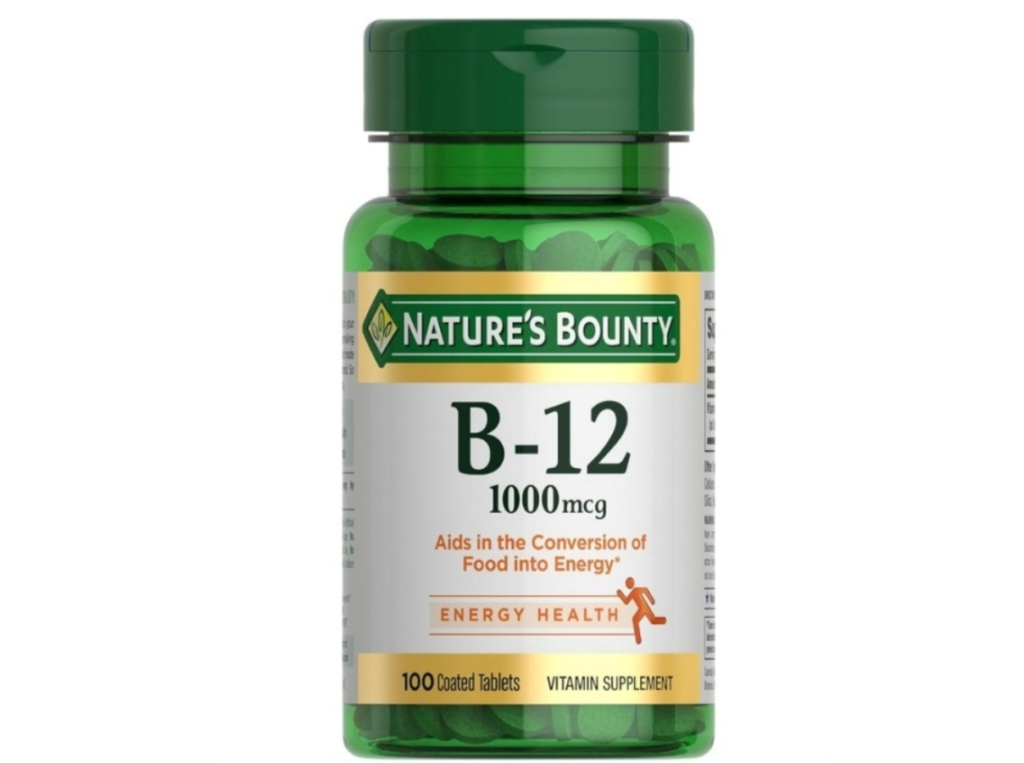
An image of a Vitamin B12 supplement bottle with a simple background, highlighting its benefits in supporting metabolism and energy.
In the realm of nutritional supplements, one question often arises in discussions about weight loss: can Vitamin B12 contribute to fat burning? As someone who has spent over a decade analyzing supplement trends at Bionatry, I’ve encountered this query repeatedly. It is frequently asked by individuals frustrated with their weight loss journey, especially when they hit a plateau despite maintaining strict diet and exercise routines.
This guide will provide a thorough, research-driven examination of Vitamin B12’s role in human metabolism, its potential impact on weight management, and why it’s not a miracle solution for fat loss. Aimed at readers in the United States, Canada, and Western Europe (including the UK, Germany, France, the Netherlands, Scandinavia, and Ireland), we will delve into the science behind B12 and its relationship to energy expenditure.
1. Context and Observational Background
Throughout my clinical observations and research into metabolic dysfunction over the past decade, I’ve analyzed thousands of cases related to supplementation. A consistent theme has emerged, not among those who take B12, but among those who are deficient. Many patients and clients struggling with weight loss resistance share a range of symptoms, including extreme fatigue, neuropathic sensations in the extremities, and an inability to maintain the necessary levels of non-exercise activity thermogenesis (NEAT)—the spontaneous movement crucial for daily caloric expenditure.
It’s important to note that correlation doesn’t imply causation. However, when we examine energy dynamics, the connection between B12 deficiency and weight loss resistance becomes clearer. For example, consider the impact of morning sunlight exposure. While seemingly unrelated to B12, this practice illustrates how circadian rhythms—our body’s internal clock—affect appetite and energy regulation. If someone is B12 deficient, they are likely to experience fatigue and be less inclined to engage in morning activities like exercise or even going outdoors, disrupting circadian alignment and further decreasing energy expenditure.
2. Mechanisms and Rationale: B12, Energy Expenditure, and Metabolic Adaptation
To understand why Vitamin B12 is relevant to weight management—and why it isn’t a fat-burning supplement—we need to explore the biochemistry of energy production. Vitamin B12 (cobalamin) plays an essential role in the conversion of food into glucose, which is then used to generate energy. Specifically, B12 functions as a cofactor for the enzyme methylmalonyl-CoA mutase, responsible for converting methylmalonyl-CoA into succinyl-CoA, a critical step in the citric acid cycle (Krebs cycle). Without adequate B12, this metabolic pathway is hindered, leading to cellular fatigue.
The link to energy expenditure becomes apparent when we understand that if cells cannot efficiently convert macronutrients into ATP (cellular energy), the body’s overall energy output declines. This reduction in energy manifests as a decreased ability to perform non-exercise movements, like fidgeting or maintaining posture, which account for a significant portion of daily caloric burn.
Further research on adaptive thermogenesis by Müller et al. suggests that the body’s defense mechanism against weight loss involves reducing energy expenditure beyond what’s expected from weight loss alone. While B12 deficiency does not directly trigger adaptive thermogenesis, it compounds the energy deficit. A B12-deficient body—already lowering metabolic rate to conserve energy—suffers from further energy inefficiency, which exacerbates weight loss resistance.
Additionally, the endocrine system’s regulation of hormones like leptin and ghrelin plays a role in appetite feedback. Disruptions in circadian rhythms—common in individuals experiencing insufficient light exposure, such as during long Scandinavian winters or post-night-shift conditions—can misalign cortisol and insulin levels. Though B12 does not directly manipulate these hormones, severe deficiency may contribute to physiological stress, making it harder to stick to a caloric deficit.
3. Practical Framework for B12 Supplementation
While Vitamin B12 supplementation can play a corrective role in energy metabolism, it should not be viewed as a weight loss solution. Instead, it is a tool for addressing metabolic inefficiencies. The following framework outlines a step-by-step approach to assessing and integrating B12 supplementation into a weight management strategy.
Assessment Phase
Before considering supplementation, confirm B12 deficiency through testing. Serum B12 levels or methylmalonic acid (MMA) tests, administered by a healthcare provider, are the most reliable methods to gauge deficiency. Symptoms of low B12 include chronic fatigue, pallor, and shortness of breath during routine physical activities.
Intervention Options:
- Dietary Adjustment (First-Line): For those who consume animal products, increasing intake of B12-rich foods is the most bioavailable method. Sources include beef liver, clams, trout, and salmon. Additionally, traditional German sausages and French pâtés can be beneficial during the holiday season, though their caloric density should be considered in meal planning.
- Supplementation (Conditional): If a deficiency is confirmed or dietary intake is insufficient (common among vegans and vegetarians), supplementation may be necessary.
- Oral Supplements: Cyanocobalamin or methylcobalamin in doses of 500–1000 mcg per day are common. The NIH notes that high doses are considered safe, as absorption is controlled by intrinsic factors.
- Sublingual/Injections: These are often marketed for weight loss but are primarily necessary for those with absorption issues (e.g., pernicious anemia or after bariatric surgery). For individuals with normal B12 levels, injections offer no added metabolic benefit.
Contraindications:
B12 is water-soluble and generally safe, but it is not a stimulant. It will not alter the fundamental principles of weight loss (calories in vs. calories out). Those on medications like metformin or proton pump inhibitors should monitor their B12 levels, as these drugs can deplete B12 stores.
Product Transparency Section
For readers seeking practical supplementation options:
Nature’s Bounty Vitamin B12 – Supports Energy and Nerve Health
Nature’s Bounty Vitamin B12 is a powerful supplement that helps boost metabolism and increase energy levels, while supporting nervous system health. Ideal for those looking to maintain mental and physical vitality throughout the day.
Key Benefits:
- Boosts energy and daily performance.
- Supports nerve health and mental function.
- High-quality ingredients from Nature’s Bounty.
Get your Vitamin B12 today and enjoy sustained energy and vitality!
https://amzn.to/4kPRfGM
Tesla ⚙️🗝️The EMS 15 Tesla is an innovative device that uses Electrical Muscle Stimulation (EMS) technology to effectively stimulate muscles and aid in fat removal. Designed to enhance body shaping and slimming, it helps tone muscles and improve the appearance of the buttocks, abdomen, and thighs in a short period of time. With its sleek, modern design, the device is ideal for both home and salon use. It offers safe, effective sessions for improving physical fitness and body contour.
https://s.click.aliexpress.com/e/_c4e9fAf1
🌿 Synergistic Ingredients for Better Energy and Metabolism
This formulation features naturally derived ingredients chosen for their ability to work together to boost metabolic efficiency, enhance energy use, and reduce fatigue—key factors that help support energy balance and weight management.
https://nplink.net/ooihri9y
Note: This product is available exclusively through the manufacturer’s official website and is not sold on Amazon.
Disclosure: Some links may be affiliate links. We may earn a commission at no additional cost to you. Recommendations are based on independent editorial standards.
4. Applicability, Boundaries, and Ethical Considerations
Who stands to benefit most from B12 supplementation? Research indicates that individuals most at risk for deficiency—and those who may experience indirect weight management benefits—include older adults (especially those over 50), individuals on long-term metformin therapy, people who have undergone bariatric surgery, and strict vegans or vegetarians.
Ethical Note:
It is crucial to emphasize that B12 should never be marketed as a “quick fix” for fat loss. Weight management is influenced by a variety of factors, including genetics, socioeconomic status, and environmental context. B12 cannot compensate for underlying issues like access to nutritious foods or the prevalence of ultra-processed diets.
5. Frequently Asked Questions
- Can B12 injections burn fat?
No. B12 does not possess lipotropic properties that directly burn fat. Its role is in energy metabolism, and correcting a deficiency may improve energy levels, making physical activity easier, but it does not directly influence fat loss. - Can taking B12 supplements help me lose weight if I’m not deficient?
No. Research shows that supplementing with B12 in the absence of a deficiency does not promote weight loss. The body regulates absorption, and any excess is usually excreted. - What is the recommended daily intake of Vitamin B12?
The NIH recommends 2.4 micrograms per day for most adults. Pregnant and lactating women need slightly higher amounts (2.6 mcg and 2.8 mcg, respectively). - Are there risks associated with high-dose B12 supplements?
B12 is generally considered safe, even at high doses, since it is water-soluble. However, consult a healthcare provider before beginning any supplementation regimen.
Author Bio
Hr Natura is a metabolic health researcher with over 12 years of experience analyzing dietary supplements, nutrient metabolism, and evidence-based weight management strategies.