
By Hr natura Mars 1 2026
How Vitamin B12 Can Unlock Your Metabolic Rate for Faster Weight Loss: The Key to Overcoming Plateaus
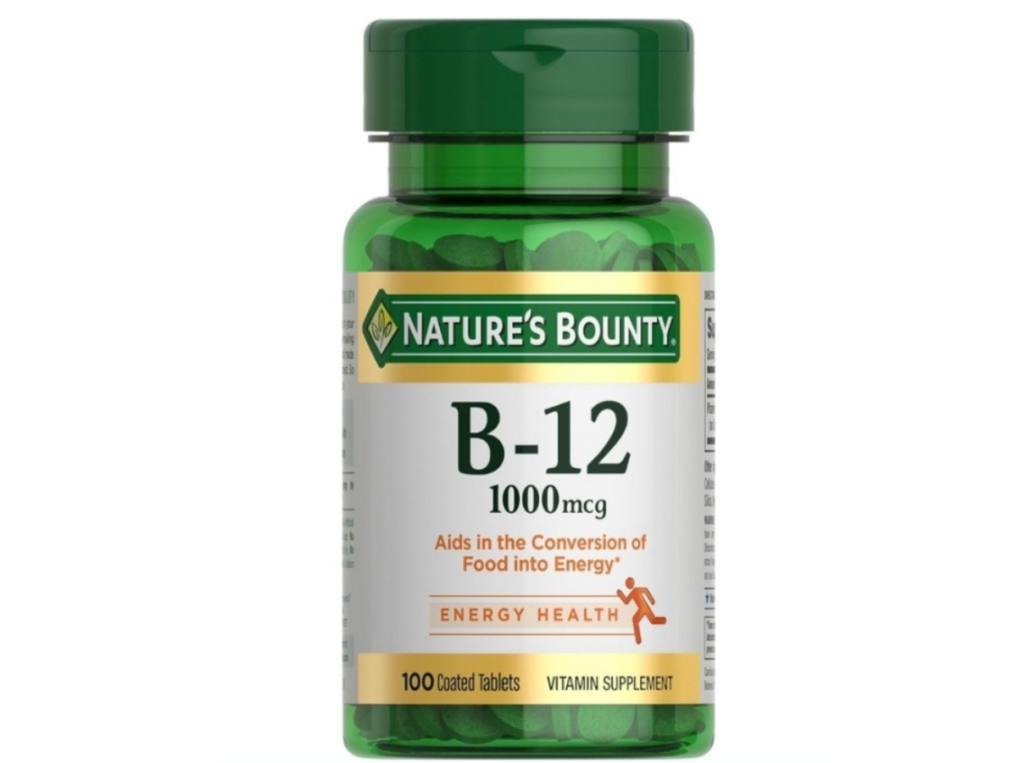
Vitamin B12 as a key factor in energy metabolism and overcoming weight loss plateaus, enhancing metabolic rate and spontaneous activity.
In the ever-evolving landscape of metabolic health, Vitamin B12 (cobalamin) is often discussed as a key micronutrient influencing energy metabolism and fat loss. However, its role in weight loss is more nuanced than many may realize. Rather than simply reducing fat or boosting energy expenditure, B12 affects cellular energy production, and its deficiency can contribute to a weight loss plateau.
Having spent over twelve years in health and nutrition research, I’ve observed a recurring pattern: many individuals adhering to exercise and diet plans still struggle with unexplained fatigue and stagnant weight loss. A critical factor that often gets overlooked in these cases is B12 status. This article explores the complex relationship between Vitamin B12 and metabolic rate, focusing on its effects on energy expenditure and potential impact on weight loss.
1. Observational Background
Through years of clinical observations across diverse populations—from office workers in Europe to athletes in Scandinavia—I’ve seen a consistent pattern in individuals who experience weight loss plateaus despite rigorous routines. In many cases, suboptimal B12 levels were identified as a contributing factor. While B12 supplementation didn’t directly cause fat loss, it restored energy levels, enabling increased physical activity, often referred to as Non-Exercise Activity Thermogenesis (NEAT).
Interestingly, individuals who combined B12 supplementation with morning sunlight exposure, ideally within the first 30 minutes after waking, reported greater improvements in energy and physical activity. This observation aligns with the concept of chronobiology, where light exposure regulates circadian rhythms, influencing everything from energy metabolism to movement patterns. When combined with B12 optimization, these behavioral changes helped counteract the fatigue that often accompanies B12 deficiency.
However, it is crucial to recognize the limitations of observational data. These findings suggest correlation, not causation, and may be influenced by other health-promoting behaviors that participants adopted alongside B12 supplementation.
2. The Biochemistry of Vitamin B12 and Metabolism
Vitamin B12 plays a crucial role in energy metabolism. It functions as a cofactor for two essential enzymes in the mitochondria, which are central to cellular energy production:
- Methylmalonyl-CoA Mutase: This enzyme converts methylmalonyl-CoA into succinyl-CoA, facilitating the metabolism of fatty acids and certain amino acids into the Krebs cycle, a central energy production pathway. In B12 deficiency, methylmalonyl-CoA accumulates, impairing energy production.
- Methionine Synthase: This enzyme converts homocysteine into methionine, which is crucial for methylation reactions, including neurotransmitter synthesis and myelin maintenance. Deficient B12 impairs these processes, which can disrupt cellular energy function.
When B12 levels are insufficient, the body compensates by reducing spontaneous physical activity, decreasing NEAT. This reduction in daily energy expenditure is one of the mechanisms behind the frustration many experience during weight loss attempts, as it slows the rate at which calories are burned.
3. B12, NEAT, and Metabolic Adaptation
One of the most important concepts in weight loss is adaptive thermogenesis, a phenomenon where the body adjusts to calorie restriction by reducing energy expenditure. Research has shown that during caloric deficit, the body lowers its basal metabolic rate (BMR) and reduces non-exercise activity, contributing to slower weight loss over time.
B12 plays a role in maintaining energy levels during this adaptive response. Individuals with B12 deficiency may experience more severe reductions in NEAT, which further diminishes total daily energy expenditure. This helps explain why weight loss can plateau despite ongoing dietary efforts.
In addition, B12’s impact on energy metabolism affects hormones like leptin and ghrelin. Leptin signals energy sufficiency, and when its levels drop (a common response to weight loss), the body reduces energy expenditure further. Suboptimal B12 levels exacerbate this process, leading to increased hunger and further reductions in physical activity.
4. Practical Application of B12 Supplementation
If you’re considering B12 as part of your weight management strategy, it is essential to take a structured approach:
Phase 1: Assessing B12 Status
Start with testing to determine if B12 levels are low. In many countries, B12 deficiency is defined as a serum level below 200 pg/mL. However, subclinical deficiency (where levels are low but not officially classified as deficient) can still impair energy metabolism.
For a more accurate assessment, tests for methylmalonic acid (MMA) and homocysteine can provide insight into tissue-level B12 status.
Phase 2: Supplementation Strategy
For those with confirmed B12 deficiency, supplementation is necessary. The dosage depends on the severity of deficiency and individual needs:
- For dietary insufficiency, 500-1000 mcg of oral B12 daily (either cyanocobalamin or methylcobalamin) is typically sufficient.
- For absorption issues, higher doses (1000-2000 mcg) or sublingual formulations may be required.
- Severe deficiency may warrant injections of B12, especially when neurological symptoms are present.
The timing of supplementation may also influence outcomes, though taking B12 in the morning with a meal may help support energy levels throughout the day.
Phase 3: Duration and Monitoring
It typically takes 3-6 months of consistent B12 supplementation to restore optimal levels and assess changes in energy levels and physical activity. Follow-up testing should be done at 3-6 months to evaluate the effectiveness of supplementation and adjust the dosage as necessary.
5. Who Will Benefit Most from B12 Supplementation?
The individuals most likely to see improvements in metabolic health from B12 supplementation include:
- Vegans and vegetarians: Since B12 is primarily found in animal products, those on plant-based diets are at higher risk of deficiency.
- Older adults: Aging can reduce the body’s ability to absorb B12 from food.
- People with gastrointestinal conditions: Disorders like Crohn’s or those who have undergone gastric bypass surgery can impair B12 absorption.
- Those on medications: Drugs like metformin (for diabetes) or proton pump inhibitors can interfere with B12 absorption.
Individuals with normal B12 levels, however, will not see any additional metabolic benefit from supplementation.
6. Ethical Considerations and Boundaries
While B12 deficiency may impact metabolic function, it is essential not to oversimplify the relationship between B12 and weight loss. Vitamin B12 is not a fat-burning miracle supplement, and there is no evidence to suggest it directly increases metabolic rate in individuals with adequate levels.
Additionally, focusing solely on B12 deficiency may neglect the broader, multifactorial nature of weight management, which includes genetics, lifestyle factors, and environmental influences. Weight loss should always be approached with a holistic mindset, prioritizing sustainable lifestyle changes over quick fixes.
Product Transparency Section
For readers seeking practical supplementation options:
Nature’s Bounty Vitamin B12 – Supports Energy and Nerve Health
Nature’s Bounty Vitamin B12 is a powerful supplement that helps boost metabolism and increase energy levels, while supporting nervous system health. Ideal for those looking to maintain mental and physical vitality throughout the day.
Key Benefits:
Boosts energy and daily performance.
Supports nerve health and mental function.
High-quality ingredients from Nature’s Bounty.
Get your Vitamin B12 today and enjoy sustained energy and vitality!
https://amzn.to/4kPRfGM
TESLA🗝️The EMS 15 Tesla is an innovative device that uses Electrical Muscle Stimulation (EMS) technology to effectively stimulate muscles and aid in fat removal. Designed to enhance body shaping and slimming, it helps tone muscles and improve the appearance of the buttocks, abdomen, and thighs in a short period of time. With its sleek, modern design, the device is ideal for both home and salon use. It offers safe, effective sessions for improving physical fitness and body contour.
https://s.click.aliexpress.com/e/_c4e9fAf1
🌿Synergistic Ingredients for Better Energy and Metabolism
This formulation features naturally derived ingredients chosen for their ability to work together to boost metabolic efficiency, enhance energy use, and reduce fatigue—key factors that help support energy balance and weight management.
https://nplink.net/ooihri9y
Note: This product is available exclusively through the manufacturer’s official website and is not sold on Amazon.
Transparency: Some links in this article may be affiliate links, meaning that if you make a purchase through them, I may earn a commission at no additional cost to you.
7. Conclusion
Vitamin B12 plays an essential role in maintaining cellular energy metabolism and can impact weight loss efforts, particularly in individuals with deficiency. While B12 supplementation alone will not lead to significant fat loss, it can help overcome energy deficits that might otherwise limit physical activity, thereby facilitating a more active lifestyle.
Correcting B12 deficiency may support improved energy levels, enhance physical activity, and contribute to better metabolic health. However, it is not a substitute for balanced nutrition and regular physical activity. For those struggling with unexplained fatigue or weight loss plateaus, consulting a healthcare provider to evaluate B12 status may be an important first step in overcoming these barriers.
Author Bio
Hr Natura is a health and nutrition researcher with over 12 years of experience analyzing dietary supplements and developing evidence-based strategies for sustainable weight management. He is the founder of Bionatry, a platform dedicated to providing scientifically grounded resources for optimizing metabolic health.