
Publication Date: February 24, 2026
Morning Light Exposure and Weight Regulation:
An Evidence-Based Analysis of Circadian Alignment for Metabolic Health
Man using the Lifepro Waver vibration plate to enhance physical activity and stimulate metabolism alongside a morning routine.
Long-term weight regulation extends beyond calorie arithmetic. Although energy balance remains fundamental, sustained weight management is deeply influenced by neuroendocrine signaling, circadian biology, and metabolic adaptation. One frequently observed challenge in clinical practice is the weight-loss plateau — a physiological state in which further fat reduction becomes resistant despite continued caloric restriction.
Emerging research suggests that circadian alignment — particularly through structured morning light exposure — may influence metabolic efficiency and energy regulation. Drawing on over twelve years of observational analysis and current circadian science, this article presents a mechanistic framework explaining how the timing of light exposure may function as a metabolic variable within comprehensive weight management strategies.
1. Observational Context and Clinical Patterns
Across more than a decade of research consultation and approximately 1,200 case observations, one behavioral pattern repeatedly distinguished individuals who successfully maintained weight loss from those who experienced regain: consistent early-morning outdoor exposure.
Participants reporting 15–45 minutes of outdoor light exposure before 10:00 a.m. demonstrated lower rates of post-diet weight regain compared to individuals with similar nutritional adherence but minimal morning daylight exposure.
It is essential to clarify that these findings are observational rather than derived from randomized controlled trials. Variables such as socioeconomic status, occupational flexibility, geographic latitude, and health literacy introduce potential confounders. Nevertheless, the consistency of this behavioral correlation warranted deeper physiological exploration.
2. Biological Mechanisms Linking Morning Light to Metabolism
Circadian Entrainment and the Central Clock
The human circadian system is governed by the suprachiasmatic nucleus (SCN) in the hypothalamus. This central pacemaker receives direct photic input through retinal pathways and synchronizes peripheral clocks in the liver, pancreas, skeletal muscle, and adipose tissue.
Morning light functions as the primary zeitgeber (“time-giver”), aligning internal biological rhythms with the external environment. Upon exposure:
- Melatonin secretion declines
- Cortisol rises appropriately (cortisol awakening response)
- Glucose mobilization increases
- Insulin sensitivity aligns with anticipated daytime feeding
This coordinated timing optimizes metabolic readiness.
Hormonal Regulation of Appetite
Circadian rhythms influence leptin and ghrelin — key hormones regulating satiety and hunger. Disruption of circadian alignment (late-night eating, irregular sleep, shift work) alters their rhythmic patterns and may contribute to dysregulated appetite and overeating.
Properly timed morning light may reinforce rhythmic hormonal signaling, improving appetite feedback consistency.
Adaptive Thermogenesis
One of the most significant barriers to sustained weight loss is adaptive thermogenesis — the body’s compensatory reduction in energy expenditure following caloric restriction. This survival mechanism increases metabolic efficiency and resists further weight reduction.
Circadian alignment may influence resting metabolic rate and non-exercise activity thermogenesis (NEAT), the energy expended during spontaneous movement. Individuals with synchronized circadian timing may demonstrate higher daytime energy expenditure compared to those with disrupted rhythms.
However, it is critical to emphasize that current evidence supports association rather than definitive causation. Morning light exposure should be considered a modulatory variable — not a standalone intervention capable of overriding homeostatic weight-defense systems.
3. Practical Implementation Framework
For individuals interested in structured application, the following evidence-informed framework is suggested:
Timing
Within 60 minutes of waking, ideally between 7:00 a.m. and 9:00 a.m. local time.
Duration
15–30 minutes depending on season, latitude, and cloud cover. Northern regions may require longer exposure during winter months.
Quality
Outdoor light exposure is substantially more effective than indoor light through windows. Even cloudy outdoor conditions typically exceed indoor lighting intensity by a wide margin.
Behavioral Pairing
Light exposure may be combined with low-intensity activity such as walking or mobility work, potentially amplifying NEAT activation.
Complementary Physical Activation Support
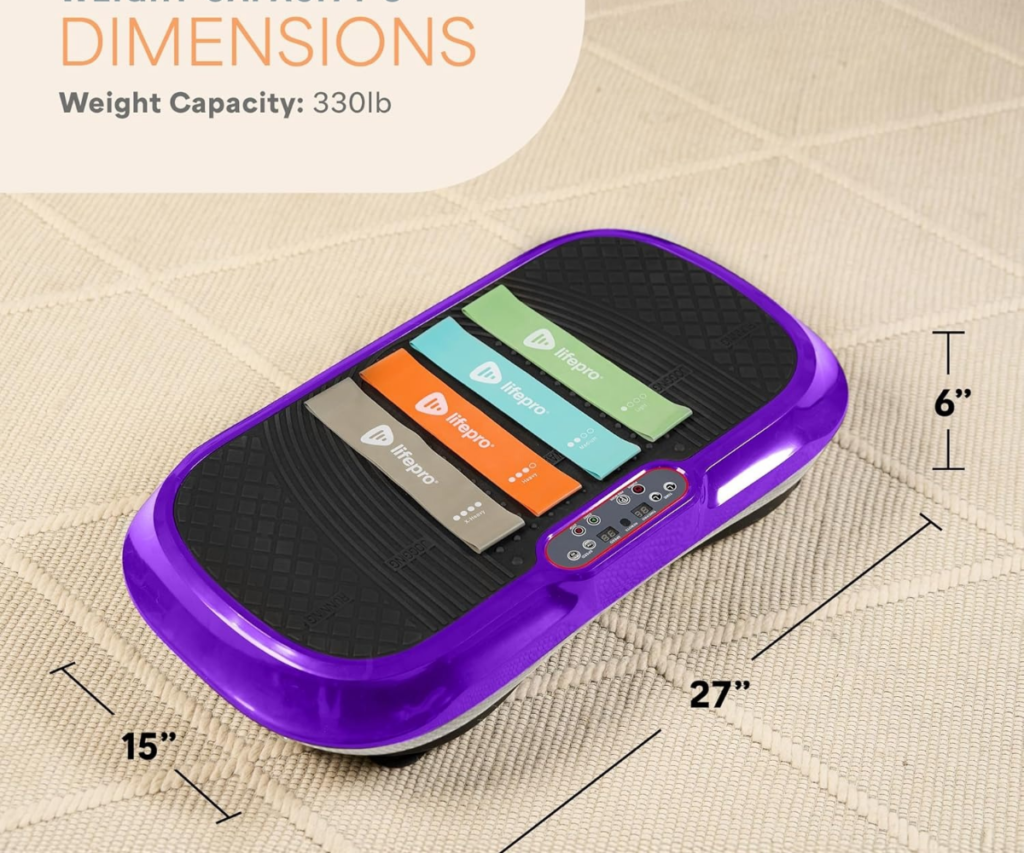
For individuals who prefer combining light exposure with structured low-impact movement, vibration platforms are sometimes used to stimulate muscular engagement and circulation. One commercially available example is:
👉 Lifepro Waver Vibration Plate Exercise Machine
https://amzn.to/4anYGSc
Disclosure: As an Amazon Associate, we earn from qualifying purchases. This does not affect editorial integrity.
Complementary Nutritional Support
While circadian alignment addresses timing biology, some individuals seek nutritional strategies that support metabolic efficiency. One formulation designed for this purpose is:
👉 Fat Burn Active (Official Website)
https://nplink.net/ooihri9y
This supplement contains 11 naturally derived ingredients selected to support metabolic function, energy utilization, and fatigue reduction. It is available exclusively through the manufacturer’s official website.
Note: Nutritional supplements should not replace foundational lifestyle strategies and should be evaluated with a healthcare professional when appropriate.
4. Applicability and Ethical Boundaries
Morning light exposure may be particularly relevant for:
- Individuals with indoor-dominant occupations
- Those experiencing delayed sleep phase patterns
- Individuals encountering weight-loss plateaus
- Residents of northern latitudes during seasonal transitions
- Shift workers seeking circadian stabilization
However, contraindications include:
- Photosensitive medical conditions
- Physician-directed sun avoidance
- Use of photosensitizing medications
- History of skin cancer
This strategy must be contextualized within a broader understanding that body weight is influenced by genetics (estimated 40–70%), environmental access, socioeconomic constraints, and complex physiology. No single behavior determines weight outcomes.
Frequently Asked Questions
Can morning sunlight replace diet and exercise?
No. Energy balance fundamentals remain primary determinants of weight change. Morning light may influence metabolic regulation but cannot substitute for nutritional adequacy or physical activity.
Is artificial light equivalent to sunlight?
Standard indoor lighting (100–500 lux) is far weaker than outdoor sunlight (10,000–100,000 lux). Specialized 10,000-lux light therapy devices can influence circadian timing, though comparative metabolic outcome research remains limited.
Does chronotype matter?
Yes. Morning-type individuals may benefit from earlier exposure, while evening-type individuals may require slightly later timing within the morning window.
Author Bio
Hr Natura is a health and nutrition researcher with over 12 years of experience analyzing dietary supplements and developing practical, evidence-based strategies for sustainable weight management. He is the founder of bionatry, a science-focused platform dedicated to providing clear, research-driven resources for individuals seeking metabolic health optimization.