
Publication Date: February 24, 2026
Vitamin B12 for Weight Loss in 2026: What the Science Actually Shows
In 2026, weight management is no longer about extreme calorie restriction or “detox resets.” The conversation has shifted toward metabolic efficiency, mitochondrial health, and circadian alignment.
Why B12 Is Trending Again
Vitamin B12 (cobalamin) has re-entered the spotlight — often promoted as an “energy booster” or even a fat-burning shortcut. But does science support these claims?
This article separates marketing narratives from physiological reality. We’ll examine:
- How B12 functions inside the mitochondria
- Whether it influences fat oxidation
- Who may actually benefit from supplementation
- What it cannot do
This review is written for readers in North America and Western Europe and follows current evidence-based standards.
1. The Real Role of Vitamin B12 in Energy Metabolism
Vitamin B12 is not a stimulant. It does not “force” your body to burn fat.
Instead, it acts as a coenzyme in two essential reactions:
- Conversion of methylmalonyl-CoA to succinyl-CoA
- Conversion of homocysteine to methionine
These reactions feed directly into the citric acid (Krebs) cycle, the central engine of mitochondrial ATP production.
When B12 levels are inadequate:
- ATP production may decline
- Fatigue increases
- Spontaneous movement (NEAT) often drops
- Overall daily energy expenditure may decrease
This is the indirect connection between B12 and weight regulation:
Low cellular energy → less movement → reduced calorie expenditure.
2. Circadian Alignment and Metabolic Output
Recent metabolic research highlights how circadian rhythm influences energy expenditure.
A 2019 study published in the Journal of the Endocrine Society showed that circadian misalignment can reduce resting energy expenditure independent of calorie intake.
This finding suggests something important:
B12 status alone is not the full story.
Metabolic context matters.
Individuals who:
- Sleep 7–8 hours
- Get early daylight exposure
- Eat protein-rich breakfasts
- Maintain stable nutrient intake
tend to demonstrate better metabolic stability compared to those with irregular eating and sleep patterns.
B12 works within this system — it does not override it.
3. Adaptive Thermogenesis and “Weight Loss Plateaus”
One of the most frustrating experiences in dieting is the weight loss plateau.
Research published in the American Journal of Clinical Nutrition shows that prolonged calorie restriction triggers adaptive thermogenesis — a biological reduction in energy expenditure.
This includes:
- Lower resting metabolic rate
- Reduced thyroid output
- Decreased spontaneous movement
If B12 deficiency is present during this phase, mitochondrial efficiency may decline further, worsening fatigue and reducing physical activity.
Correcting a deficiency may:
- Restore energy levels
- Improve movement
- Support metabolic resilience
However, there is no evidence that high-dose B12 accelerates fat loss in individuals who already have normal levels.
4. Who Is Most Likely to Be Deficient?
According to the NIH Office of Dietary Supplements, higher-risk groups include:
- Adults over age 50
- Vegetarians and vegans
- Individuals with gastrointestinal absorption disorders
- Patients using metformin
- Long-term proton pump inhibitor users
For these populations, supplementation may be clinically relevant — not for “fat burning,” but for restoring normal physiological function.
5. Practical Implementation (Evidence-Based Framework)
This is not medical advice, but an evidence-aligned structure.
1️⃣ Timing
Consume B12-containing foods or supplements in the morning, ideally within 60–90 minutes of waking, to align with natural cortisol and metabolic activation.
2️⃣ Duration
Blood markers typically require 4–6 weeks to show measurable changes.
3️⃣ Baseline Requirements
- Adequate sleep
- Sufficient protein intake
- No untreated malabsorption disorders
4️⃣ Medical Oversight
Individuals on metformin or with anemia symptoms should test serum B12 levels before supplementing.
6. Product Transparency Section
For readers seeking practical supplementation options:
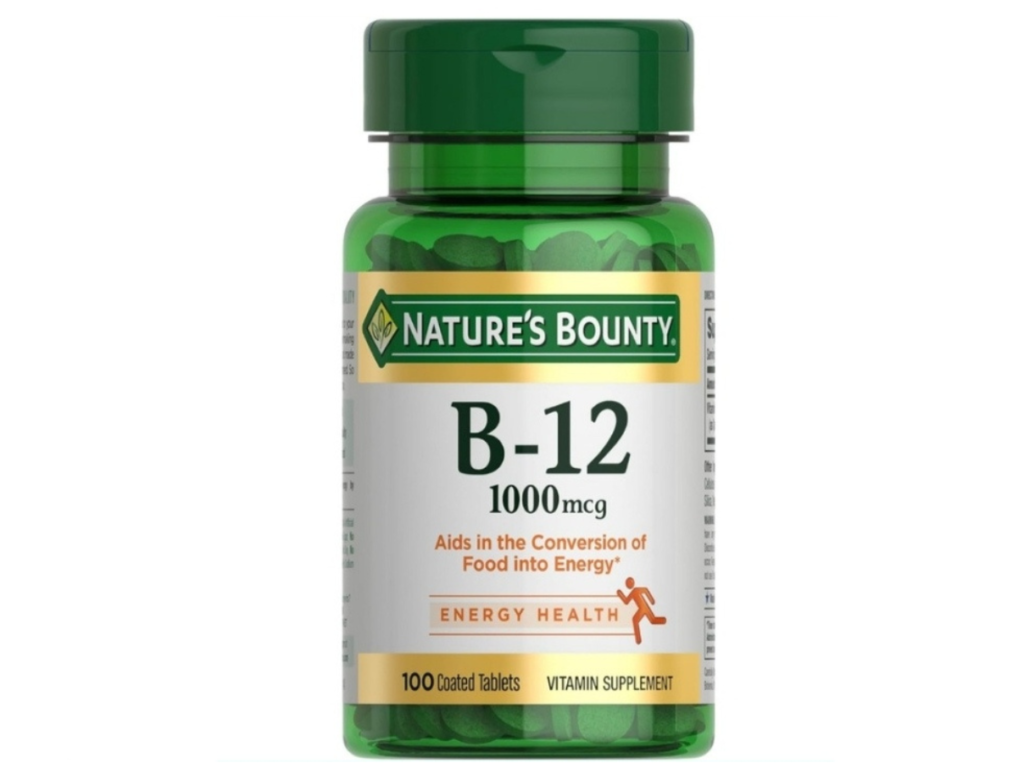
Nature’s Bounty Vitamin B12 – Supports Energy Metabolism and Nervous System Health
https://amzn.to/4kPRfGM
For those following a ketogenic protocol, multi-ingredient formulations designed to support metabolic adaptation include:
NuviaLab Keto – Weight Management Support
https://nuvialabketo.com
Note: This product is available exclusively through the manufacturer’s official website and is not sold on Amazon. It is mentioned for informational purposes only.
Disclosure: Some links may be affiliate links. We may earn a commission at no additional cost to you. Recommendations are based on independent editorial standards.
Frequently Asked Questions
Can Vitamin B12 directly burn fat?
No. B12 supports mitochondrial energy production but does not act as a thermogenic fat burner.
Will high doses increase metabolism?
No evidence supports supraphysiological doses improving fat loss in non-deficient individuals.
What are signs of deficiency?
- Persistent fatigue
- Weakness
- Tingling in hands or feet
- Pale skin
- Memory issues
Food vs. supplements?
Animal foods (meat, fish, dairy, eggs) provide highly bioavailable B12.
Plant-based individuals often require fortified foods or supplementation.
Conclusion: The 2026 Perspective on Metabolic Health
Vitamin B12 is foundational for mitochondrial efficiency, neurological integrity, and red blood cell formation.
It does not cause rapid fat burning.
It does not bypass energy balance.
It does not replace structured nutrition.
However, correcting deficiency may:
- Improve energy
- Support movement
- Enhance metabolic resilience
- Contribute indirectly to sustainable weight management
In 2026, metabolic health is about systems — sleep, light exposure, nutrient sufficiency, resistance training, and stress regulation.
B12 is one component of that system — important, but not magical.
Author Bio
Hr Natura is a metabolic health researcher with over 12 years of experience analyzing dietary supplements, nutrient metabolism, and evidence-based weight management strategies.
He founded Bionatry to provide transparent, science-backed education focused on sustainable metabolic health and responsible supplementation.