
By Hr natura
Publication Date: February 22, 2026
The Morning Variable: A Daily Biological Framework for Breaking Weight Loss Plateaus Without Extreme Restriction
Natural morning light entering through a window, symbolizing circadian synchronization and metabolic regulation.
Across more than a decade of observational work in clinical and real-world lifestyle settings, one recurring question consistently emerges:
Why do two individuals following a similar caloric deficit achieve dramatically different results?
One continues to lose weight steadily, while the other encounters a prolonged plateau despite strict dietary adherence. The traditional “calories in versus calories out” model does not fully explain this discrepancy.
Research by and colleagues, including , has demonstrated that weight reduction triggers what is known as adaptive thermogenesis—a compensatory decline in total energy expenditure that exceeds what would be predicted by changes in body mass alone. In practical terms, the body actively resists fat loss by lowering its energy output.
Rather than intensifying dietary restriction, this article explores a behavioral variable that may influence this adaptation: morning light exposure as a circadian alignment tool.
This is not a “fat-burning hack,” but a physiological regulation strategy.
1. Observational Background: Light as a Metabolic Signal
Long-term observational data suggest that individuals who receive natural light exposure within 30–60 minutes of waking often demonstrate different weight-loss trajectories compared to those who remain in dim indoor lighting during early hours.
Total caloric intake and macronutrient distribution were comparable, yet differences were observed in:
- Appetite stability
- Evening hunger intensity
- Daytime energy levels
- Duration of plateau phases
Morning Light and the Suprachiasmatic Nucleus
Morning light is the strongest zeitgeber (time cue) for the suprachiasmatic nucleus (SCN), the brain’s central circadian regulator.
Proper SCN signaling synchronizes peripheral clocks in:
- The liver
- Skeletal muscle
- Adipose tissue
- The pancreas
Modern indoor lifestyles frequently blunt early light exposure, potentially delaying circadian stabilization and influencing insulin sensitivity and appetite regulation.
These findings are correlational rather than causal and should be interpreted as supportive biological context—not medical treatment.
2. Physiological Mechanisms
2.1 Cortisol Awakening Response
Upon waking, the body exhibits a natural cortisol awakening response—a physiological activation signal.
Morning light helps anchor the timing of this cortisol peak. When circadian rhythms are delayed or misaligned, cortisol timing may shift, potentially affecting sleep quality and evening appetite regulation.
Research consistently shows that the biological system is more prone to increased hunger in the evening. Early circadian anchoring may help mitigate this tendency.
2.2 Leptin, Ghrelin, and Appetite Regulation
Both:
- Leptin (satiety hormone)
- Ghrelin (hunger hormone)
follow circadian rhythms.
Research led by (2020) indicates that ghrelin levels tend to peak later in the biological day, corresponding with stronger evening hunger signals.
Circadian misalignment may amplify late-day hunger, making caloric adherence more difficult. Morning light exposure may assist in realigning these hormonal rhythms.
2.3 Metabolic Adaptation and NEAT Reduction
Weight plateaus often involve reductions in:
- Resting metabolic rate
- Non-resting energy expenditure
- Non-exercise activity thermogenesis (NEAT)
NEAT includes spontaneous daily movement such as standing, light walking, posture shifts, and fidgeting.
Circadian disruption may dampen spontaneous activity levels. Anchoring the biological clock in the morning may support more stable NEAT levels during caloric restriction.
The effect is not dramatic in isolation—but cumulative over time.
3. Practical Implementation Framework
This is a structured protocol—not generic advice.
Timing: 10–30 minutes of outdoor light exposure within one hour of waking.
Guidelines:
- Do not wear sunglasses during exposure.
- Do not look directly at the sun.
- Prescription glasses are acceptable.
- Cloudy days remain effective.
Duration: Minimum of 4 weeks to allow circadian recalibration.
Supportive Habit: Consume 500–600 ml of water in the morning to compensate for overnight fluid loss.
Contraindications: Individuals with photosensitivity disorders or autoimmune conditions should consult a physician before increasing sun exposure.
4. Supporting Physical Activity
While circadian alignment may improve metabolic consistency, resistance training remains essential for preserving lean mass during caloric deficits.
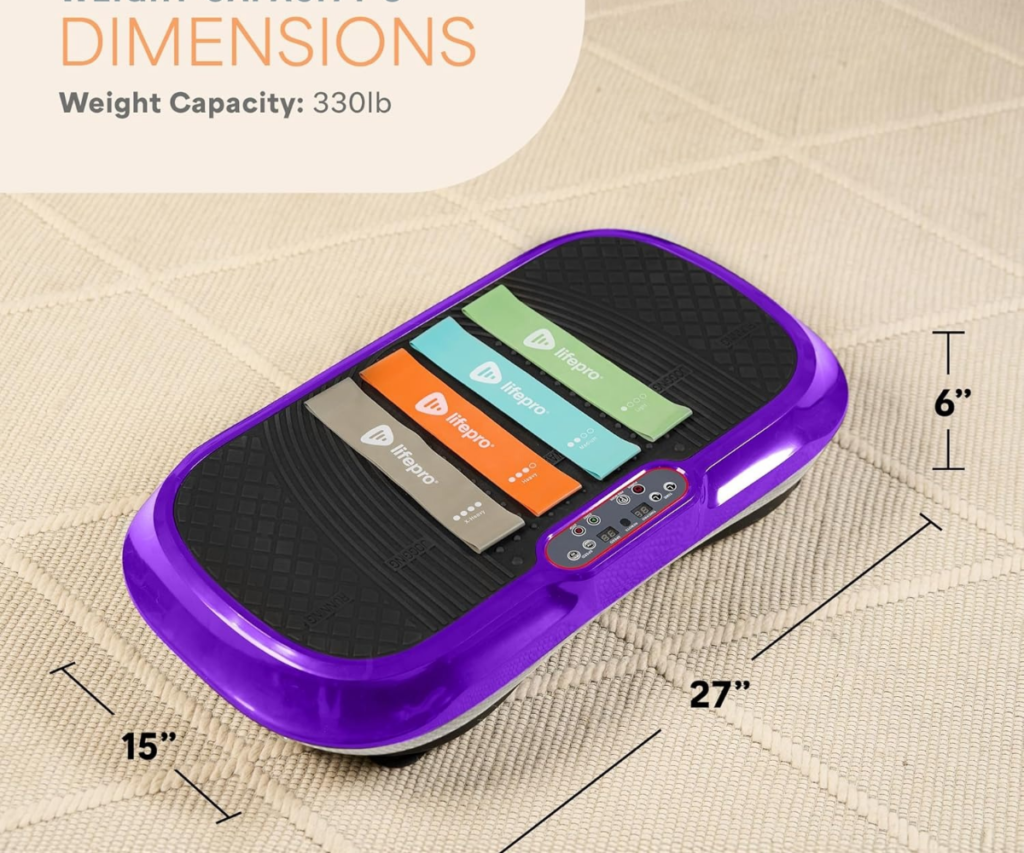
Some individuals incorporate low-impact home-based tools such as vibration platforms. One commercially available example is:
Lifepro Waver Vibration Plate Exercise Machine
https://amzn.to/4anYGSc
This device may serve as an adjunct within a structured program but does not replace foundational principles such as energy balance, sufficient protein intake, progressive resistance training, and adequate sleep.
5. Scope and Limitations
This approach may be particularly relevant for individuals who:
- Work primarily indoors
- Maintain late sleep schedules
- Experience plateaus despite dietary adherence
- Show limited progress despite structured discipline
It is not a standalone obesity treatment.
Obesity is a multifactorial condition influenced by genetics, environment, sleep quality, socioeconomic factors, and behavioral patterns. Weight should never be reduced to a single explanatory variable.
Frequently Asked Questions
Can weight loss occur without eliminating favorite foods?
Weight loss requires an energy deficit. However, improved circadian regulation may stabilize appetite, allowing greater dietary flexibility within that deficit.
When might results appear?
- Improved sleep and energy: 1–2 weeks
- Plateau improvement: approximately 4–6 weeks
- Individual responses vary
What if I wake before sunrise?
A 10,000-lux light therapy lamp may serve as a partial alternative, although natural outdoor light provides broader spectral exposure.
Transparency Notice
To provide a practical example of the type of home training equipment referenced in this article, the following product is commercially available:
Lifepro Waver Vibration Plate Exercise Machine
https://amzn.to/4anYGSc
Disclosure Statement
Certain links within this content are affiliate links. As participants in the Amazon Associates Program, we may earn a commission from qualifying purchases at no additional cost to the reader. Products are included for illustrative purposes and based on independent evaluation.
References
- Rosenbaum, M., & Leibel, R. (2016). Energy balance models during reduced-weight maintenance.
- Rynders, C. et al. (2020). Circadian rhythm, substrate oxidation, and energy regulation.
- Barker, J. et al. (2025). Circadian timing and caloric processing.
Author Bio
Hr Natura is a health and nutrition researcher with over 12 years of experience analyzing metabolic adaptation, circadian physiology, and evidence-based weight management strategies. He founded Bionatry to provide structured, research-backed frameworks for sustainable fat loss, metabolic flexibility, and long-term health optimization—without reliance on quick fixes or trend-driven solutions.