
Publication Date: February 28, 2026
Is Vitamin B12 Deficiency Sabotaging Your Weight Loss? Discover the Hidden Link!
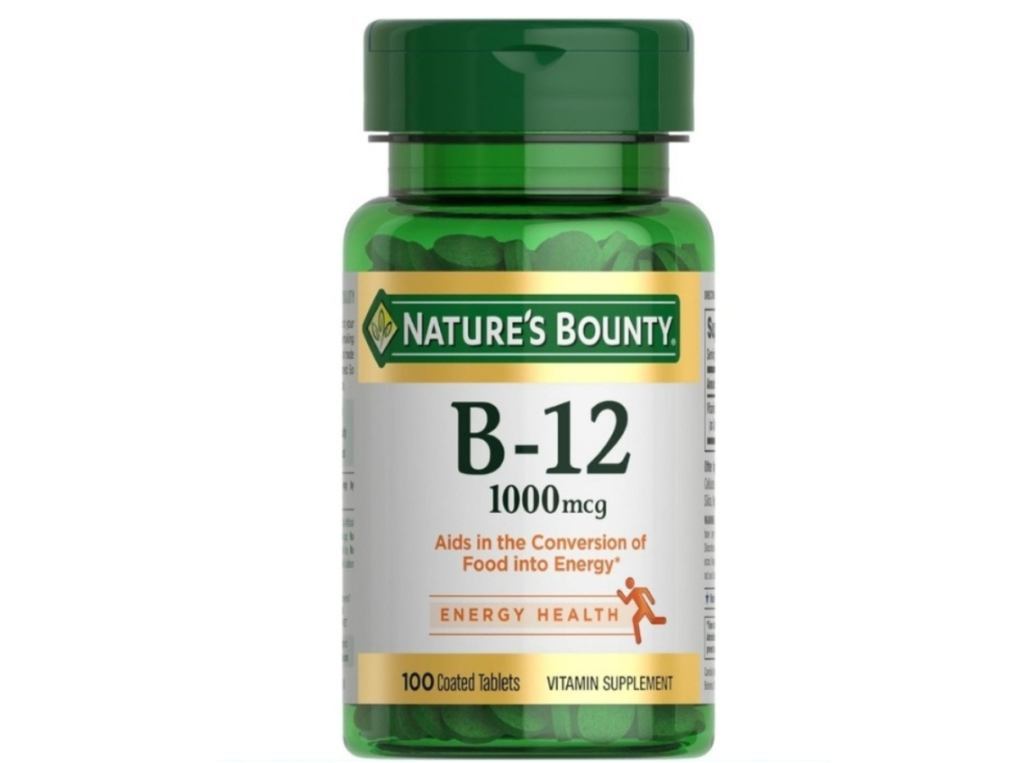
Illustration of Vitamin B12’s role in metabolism and its impact on weight loss when deficient.
Navigating the landscape of dietary supplements and weight management requires a steady hand and a critical eye. As a health researcher who has spent over 12 years analyzing clinical data and supplement formulations, I often encounter the question of specific nutrients and their role in weight loss kinetics. One of the most frequently discussed is Vitamin B12.
The question, “How does Vitamin B12 deficiency affect weight loss?” is scientifically pertinent. Many individuals across the United States, Canada, and Western Europe, perhaps after a period of indulgence during Thanksgiving or the Christmas markets season, find themselves facing a weight loss plateau and search for metabolic answers. This article aims to dissect the physiological relationship between Vitamin B12, energy metabolism, and body weight, adhering strictly to evidence-based science and separating fact from commercial fiction. We will explore why B12 is essential, but why it is never a standalone obesity treatment. For a broader understanding of essential nutrients, you can explore our foundational research at Bionatry.
1. Context and Observational Background
My work in the supplement analysis field, spanning well over a decade, has involved reviewing thousands of case notes and clinical observations. A consistent theme emerges when consulting with individuals struggling with weight management, particularly those adhering to caloric restriction: complaints of persistent fatigue, low energy, and stalled progress. In many of these cases, we observed a correlation with suboptimal levels of specific micronutrients, with Vitamin B12 being a primary suspect.
It is crucial to state a significant methodological limitation upfront: these are observational correlations, not controlled experiments. We cannot claim that a B12 deficiency causes a weight loss plateau. However, the biological plausibility is strong enough to warrant a deeper investigation.
One structured behavioral variable we began tracking in our observational work was the interaction between nutritional status and morning routines. Specifically, we looked at individuals who combined a known B12 insufficiency with a high-stress morning routine devoid of circadian alignment. For example, individuals who would immediately consume caffeine upon waking without any food or exposure to morning sunlight often reported greater difficulty with appetite control and energy stability throughout the day compared to those with sufficient B12 levels who practiced a more structured morning. The hypothesis, grounded in emerging chronobiology research, is that a deficiency in a key metabolic coenzyme like B12 might exacerbate the negative effects of a misaligned circadian rhythm on metabolic health.
2. Mechanisms and Rationale Behind the Connection
To understand how a lack of B12 might influence body weight, we must look at the cellular level. Vitamin B12 is a critical cofactor in two essential biochemical reactions: the conversion of homocysteine to methionine and the conversion of methylmalonyl-CoA to succinyl-CoA. These processes are fundamental to DNA synthesis, fatty acid metabolism, and energy production.
Here is how a deficiency can mechanistically intersect with weight regulation:
- Energy Expenditure and Adaptive Thermogenesis: B12 is vital for the metabolism of fats and proteins for energy. In a state of deficiency, the body’s ability to efficiently convert food into usable energy (ATP) is compromised. This can lead to decreased overall energy expenditure. Furthermore, research into metabolic adaptation, notably the work of Rosenbaum & Leibel (2010), demonstrates that weight loss triggers a disproportionate decline in energy expenditure. While their work focuses on leptin signaling, a compromised cellular energy system due to B12 deficiency could theoretically compound this adaptive thermogenesis, making the body more “metabolically efficient” in a way that hinders further fat loss.
- Neurological Function and NEAT: B12 is essential for maintaining the myelin sheath of nerves. Neurological health directly impacts movement and muscle function. A common symptom of B12 deficiency is peripheral neuropathy, fatigue, and muscle weakness. This can lead to an involuntary reduction in physical activity, particularly in NEAT (Non-Exercise Activity Thermogenesis)—the energy expended for everything we do that is not sleeping, eating, or sports-like exercise. Fidgeting, standing, and walking to the mailbox all contribute to NEAT. If a person feels neurologically fatigued, their NEAT levels can plummet, significantly reducing total daily energy expenditure.
- Appetite Feedback and Mood: The relationship between B12, homocysteine, and neurotransmitter synthesis (like serotonin and dopamine) is well-documented. Dysregulation of these neurotransmitters can affect mood and appetite feedback loops. An individual with a B12 deficiency may experience low mood or “brain fog,” potentially leading to emotional eating or a lack of motivation to prepare healthy meals. This creates a behavioral side effect that indirectly impacts weight, separate from the direct metabolic pathways.
3. Practical Implementation Framework
From an analytical standpoint, if a B12 deficiency is confirmed, correcting it is a matter of standard clinical practice. However, it is vital to frame this not as lifestyle advice, but as a structured methodological routine following a confirmed biomarker deficit.
- Assessment (The Diagnostic Prerequisite): The first step is not supplementation, but measurement. A simple serum B12 test, often covered by health services like the NHS in the UK or insurance providers in the US, is required.
- Intervention (If Deficient): For individuals with clinically confirmed low B12, intervention typically involves high-dose oral supplements or, in cases of malabsorption, intramuscular injections as prescribed by a physician.
- Duration and Monitoring: Re-assessment of B12 levels after a defined period (e.g., 3 months) is necessary to ensure levels have normalized. Concomitantly, one can track subjective energy levels and objective metrics of physical activity.
- Constraints and Contraindications: This framework applies only to those with a diagnosed deficiency. There is no evidence that supplementing B12 in individuals with normal levels will enhance weight loss. It is water-soluble, so excess is excreted, but it is not a metabolic accelerant.
4. Applicability, Boundaries, and Ethical Considerations
It is imperative to define the boundaries of this discussion clearly, as we operate within a YMYL (Your Money or Your Life) space.
- Who May Benefit Most: The primary candidates for whom optimizing B12 could be a supportive factor in weight management include:
- Strict Vegans and Vegetarians: As B12 is naturally found in animal products, this group is at highest risk for deficiency.
- Older Adults (+50): Gastric atrophy can reduce the absorption of B12 from food.
- Individuals on Certain Medications: Proton pump inhibitors (PPIs) and Metformin can interfere with B12 absorption.
- Those with Gastrointestinal Disorders: Conditions like Crohn’s or Celiac disease impair nutrient absorption.
- Contraindications and Misapplications: B12 is not a treatment for obesity. Framing it as such contributes to weight stigma and the misconception that weight management is simply a matter of correcting a single nutrient deficiency. This ignores the profound influences of genetics, socioeconomic factors, food environment, and psychological health. It is unethical to promise weight loss outcomes based on B12 status alone.
- Acknowledging the Bigger Picture: A person navigating the shorter, darker days of a Scandinavian winter or the post-Super Bowl recovery period in the US faces complex behavioral and environmental challenges. B12 is one small, albeit important, piece of a much larger puzzle. It supports the engine, but it does not steer the car.
Disclaimer: This article is for informational and educational purposes only and does not constitute medical advice. Always consult with a qualified healthcare professional for diagnosis and treatment of any health condition.
Product Transparency Section
For readers seeking practical supplementation options:
Nature’s Bounty Vitamin B12 – Supports Energy and Nerve Health
Nature’s Bounty Vitamin B12 is a powerful supplement that helps boost metabolism and increase energy levels, while supporting nervous system health. Ideal for those looking to maintain mental and physical vitality throughout the day.
Key Benefits:
Boosts energy and daily performance.
Supports nerve health and mental function.
High-quality ingredients from Nature’s Bounty.
Get your Vitamin B12 today and enjoy sustained energy and vitality!
https://amzn.to/4kPRfGM
TESLA🗝️The EMS 15 Tesla is an innovative device that uses Electrical Muscle Stimulation (EMS) technology to effectively stimulate muscles and aid in fat removal. Designed to enhance body shaping and slimming, it helps tone muscles and improve the appearance of the buttocks, abdomen, and thighs in a short period of time. With its sleek, modern design, the device is ideal for both home and salon use. It offers safe, effective sessions for improving physical fitness and body contour.
https://s.click.aliexpress.com/e/_c4e9fAf1
🌿Synergistic Ingredients for Better Energy and Metabolism
This formulation features naturally derived ingredients chosen for their ability to work together to boost metabolic efficiency, enhance energy use, and reduce fatigue—key factors that help support energy balance and weight management.
https://nplink.net/ooihri9y
Note: This product is available exclusively through the manufacturer’s official website and is not sold on Amazon.
Transparency: Some links in this article may be affiliate links, meaning that if you make a purchase through them, I may earn a commission at no additional cost to you. Recommendations are based on independent editorial standards.
Frequently Asked Questions
- Can a Vitamin B12 injection help me lose weight fast?
No. If you have a diagnosed B12 deficiency, correcting it can improve your energy levels and metabolic function, which may support your weight management efforts. However, for someone with normal B12 levels, an injection will not accelerate fat loss or override a caloric surplus. - What are the first signs of a Vitamin B12 deficiency?
Early signs often include persistent fatigue, lethargy, weakness, and sometimes neurological symptoms like tingling in the hands and feet or cognitive fog. These symptoms are non-specific, so a blood test is required for confirmation. - Should I take a B12 supplement if I am trying to break a weight loss plateau?
Only if you have laboratory evidence of a deficiency. Focusing on B12 as a “plateau breaker” without knowing your levels is not an evidence-based strategy. It is more effective to analyze your overall energy balance, sleep quality, and macronutrient distribution. - How does B12 interact with other B vitamins for energy?
B vitamins work synergistically as a complex. They are all involved in cellular energy production. For example, Folate (B9) and B12 are interdependent in the methylation cycle. A deficiency in one can mask or mimic a deficiency in the other.
Author Bio
Hr Natura is a health and nutrition researcher with extensive experience in analyzing dietary supplements and developing practical, evidence-based strategies for sustainable weight management. He is the founder of Bionatry, a science-focused platform dedicated to providing clear, research-driven resources for individuals seeking to optimize their metabolic health