
Publication Date: March 10, 2026
By: Hr Natura, Bionatry
Support Your Energy During a Diet with Vitamin B12
A vitamin B12 supplement bottle next to a healthy meal with leafy greens, fish, and eggs.
Navigating a caloric deficit is a complex physiological challenge. While the principle of energy balance (calories in versus calories out) remains essential, the body’s response to restriction involves intricate metabolic pathways. In our ongoing research at Bionatry examining metabolic health and supplementation, we frequently encounter questions about micronutrient support during low energy intake. Many individuals experiencing a weight loss plateau often ask about Vitamin B12.
This article provides a research-backed analysis of Vitamin B12’s role in human metabolism. We will examine its effect on energy levels during dieting, explore what current science says about its efficacy, and suggest practical ways to maintain metabolic health within a structured nutritional plan. Our discussion will focus on B12’s crucial role as a cofactor in energy metabolism, not as a standalone treatment for obesity.
1. Context and Observational Background
Over the past 12 years of studying dietary supplements and nutrition, I have observed a recurring pattern: during sustained caloric restriction, fatigue and reduced energy are common reasons for program discontinuation. This aligns with the physiological process of metabolic adaptation, where the body decreases energy expenditure in response to perceived scarcity.
At Bionatry, we emphasize the importance of foundational behavioral variables before considering supplementation. One specific practice we’ve observed to improve energy regulation during a hypocaloric diet is morning sunlight exposure.
Image Placeholder: A person standing by a window, looking out at a sunrise. Alt text: Morning sunlight exposure for circadian alignment and metabolic health.
This practice helps regulate the timing of cortisol release and melatonin synthesis, which may influence energy levels and appetite signaling throughout the day. While these observations are correlational and depend on individual adherence, they provide valuable insights into the relationship between behavior, circadian biology, and nutrient status, including vitamins like B12. A 2023 review in Nutrients highlighted how circadian disruption impacts metabolic health (Serin & Acar Tek, 2023).
2. Mechanisms and Rationale Behind the Morning Variable
To understand why morning sunlight exposure matters for energy during a diet, we need to consider its effect on endocrine and metabolic systems.
- Circadian Biology and Cortisol Rhythm: The suprachiasmatic nucleus (SCN) in the brain, our master clock, is primarily set by light exposure. Morning light signals the end of melatonin production and triggers a healthy peak in cortisol. This cortisol awakening response (CAR) mobilizes energy and sharpens alertness. Disruptions in the cortisol rhythm, common in modern lifestyles with insufficient light and excessive screen time, can contribute to fatigue, regardless of caloric intake.
- Appetite Feedback (Leptin and Ghrelin): Circadian disruptions also alter appetite-regulating hormones. Insufficient or mistimed sleep and light exposure can increase ghrelin (the “hunger hormone”) and reduce sensitivity to leptin (the “satiety hormone”), exacerbating the hunger increase during caloric restriction and making it harder to stick to a diet.
- Adaptive Thermogenesis and NEAT: The body’s response to weight loss includes a reduction in energy expenditure beyond what is predicted by mass loss alone. This process, called adaptive thermogenesis, involves suppressed Non-Exercise Activity Thermogenesis (NEAT)—the energy used in fidgeting, posture maintenance, and spontaneous movement. When circadian rhythms are disrupted, NEAT levels can drop, compounding the reduction in total daily energy expenditure.
The work of Rosenbaum and Leibel documented how weight loss triggers hormonal changes that conserve energy and increase hunger (Rosenbaum & Leibel, 2014). While B12 is not directly involved in these responses, its role in cellular energy production becomes essential. If circadian misalignment and a caloric deficit hinder energy systems, Vitamin B12 can help restore metabolic balance.
3. Practical Implementation Framework: Integrating B12 Support
This structured approach supports energy metabolism by integrating both behavioral routines and nutritional adequacy.
Foundational Protocol:
- Morning Light Exposure: Aim for 10–30 minutes of natural light within 30–60 minutes of waking. This helps synchronize your internal clocks.
- Delayed Caffeine Intake: Wait 60–90 minutes after waking before having caffeine. This allows the natural cortisol peak to occur without interference, reducing afternoon energy crashes and promoting steady energy throughout the day.
Assessing and Supporting Vitamin B12 Status:
Vitamin B12 is essential for energy production, acting as a cofactor in two crucial enzymatic reactions:
- Methionine Synthase: Converts homocysteine to methionine, critical for DNA methylation and neurotransmitter synthesis.
- L-methylmalonyl-CoA Mutase: Converts L-methylmalonyl-CoA to succinyl-CoA, a key step in the Krebs cycle, which produces energy from fats and amino acids.
A B12 deficiency disrupts these pathways, leading to fatigue and anemia. For individuals on a hypocaloric diet—especially vegetarians or vegans—ensuring adequate B12 is essential for basic nutritional needs, not for speeding up fat loss.
Implementation:
- Dietary Sources: Include B12-rich foods like lean meats, poultry, fish, eggs, and dairy.
- Supplementation: For those with deficiencies or strict plant-based diets, B12 supplements may be necessary. Adults over 50 or those with restrictive diets should consider supplementation or fortified foods.
- Duration & Constraints: This is a long-term nutritional strategy. Excessive B12 can mask folate deficiencies, so supplementation should be guided by specific needs, not as a universal solution.
4. Applicability, Boundaries, and Ethical Considerations
This framework is tailored to specific populations. Here’s who may benefit most from it:
- Who May Benefit:
- Vegans or strict vegetarians.
- Older adults (50+) with reduced B12 absorption.
- People with pernicious anemia or malabsorptive conditions (e.g., Crohn’s disease).
- Individuals experiencing fatigue despite a well-balanced diet.
- Limitations:
- B12 supplementation won’t provide an energy boost unless there’s an actual deficiency.
- It’s not a treatment for obesity and can’t counter the laws of thermodynamics or hormonal adaptations to weight loss.
- High serum B12 levels can pose health risks, so avoid excessive supplementation.
Ethical Considerations:
The focus on metabolic health should prioritize well-being, not just aesthetics. Weight regulation is influenced by genetics, environment, and lifestyle. Vitamin B12 is just one piece of the complex puzzle. This article is for educational purposes and is not a substitute for medical advice.
Product Transparency Section
For readers seeking practical supplementation options:
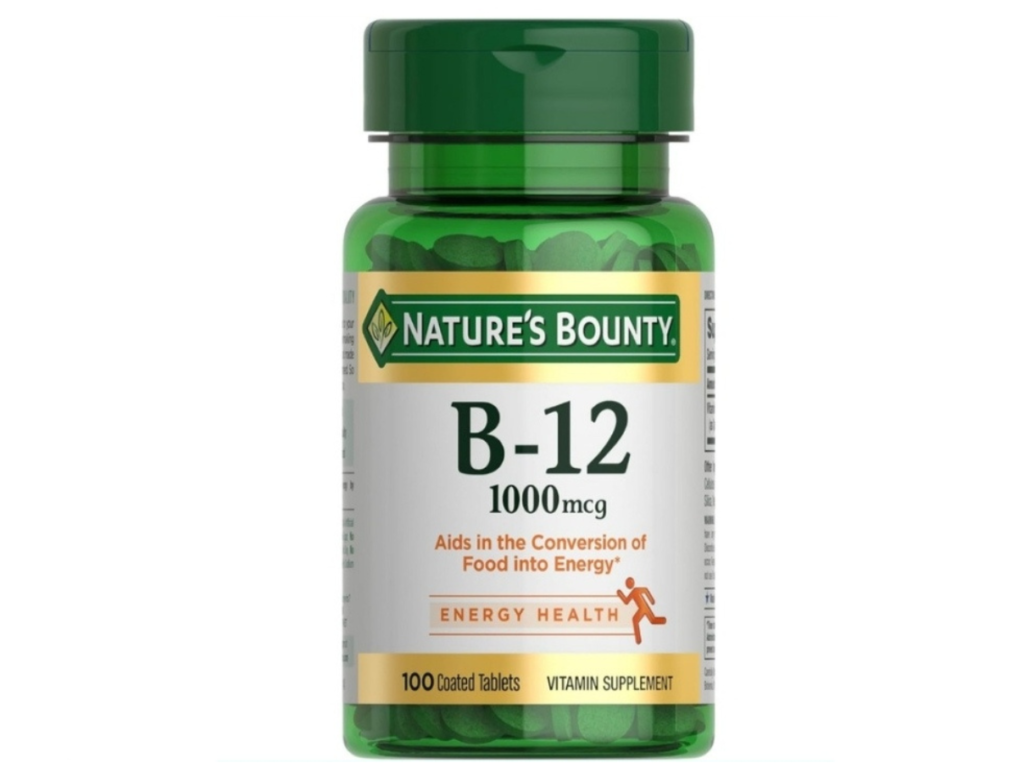
Nature’s Bounty Vitamin B12 – Supports Energy and Nerve Health.
Nature’s Bounty Vitamin B12 is a powerful supplement that helps boost metabolism and increase energy levels, while supporting nervous system health. Ideal for those looking to maintain mental and physical vitality throughout the day.
https://amzn.to/4kPRfGM
TESLA🗝️The EMS 15 Tesla is an innovative device that uses Electrical Muscle Stimulation (EMS) technology to effectively stimulate muscles and aid in fat removal. Designed to enhance body shaping and slimming, it helps tone muscles and improve the appearance of the buttocks, abdomen, and thighs in a short period of time. With its sleek, modern design, the device is ideal for both home and salon use. It offers safe, effective sessions for improving physical fitness and body contour.
https://s.click.aliexpress.com/e/_c4e9fAf1
🌿Synergistic Ingredients for Better Energy and Metabolism
This formulation features naturally derived ingredients chosen for their ability to work together to boost metabolic efficiency, enhance energy use, and reduce fatigue—key factors that help support energy balance and weight management.
https://nplink.net/ooihri9y
Note: This product is available exclusively through the manufacturer’s official website and is not sold on Amazon.
Products are chosen independently by us. Purchases made through our links may earn us a commission at no additional cost to you.
Frequently Asked Questions
- Can Vitamin B12 injections help me lose weight faster?
No. While B12 is essential for energy metabolism, there’s no evidence that B12 injections, when there’s no deficiency, directly accelerate fat loss. - What are the first signs of a Vitamin B12 deficiency?
Early symptoms include fatigue, weakness, pale skin, and neurological issues like numbness or memory difficulties. Testing is required for diagnosis. - How does Vitamin B12 affect energy during a diet?
B12 aids in converting food into usable energy. A deficiency impairs this process, worsening fatigue. Correcting the deficiency restores energy metabolism but doesn’t create energy out of nothing. - Is it better to get B12 from food or supplements?
Most people should obtain B12 from a balanced diet. Supplements are necessary for those with dietary restrictions or malabsorption issues. Always consult with a healthcare provider before supplementing.
Author Bio:
Hr Natura is a health and nutrition researcher and the founder of Bionatry, a platform dedicated to evidence-based resources for optimizing metabolic health. His work emphasizes consistency in behavioral habits and a clear understanding of physiology.
For more specialized insights on effective and safe weight loss strategies, continue reading here
https://www.bionatry.com/unlock-explosive-energy-how-vitamin-b12-supercharges-your-weight-loss-journey/