
Publication Date: February 23, 2026
Beyond the Plateau: Examining Morning Sunlight as a Behavioral Variable in Home-Based Weight Management
A person sitting by a sunny window in a modern American home during early morning, representing circadian alignment and healthy routines
Understanding the physiological realities of weight loss requires insight into the body’s complex regulatory systems. For many Americans, the process begins with steady progress but eventually reaches a frustrating weight loss plateau, where progress stalls despite continued dietary adherence. Recent research in energy expenditure and chronobiology indicates that the timing of environmental cues may be as important as dietary intake. This article explores one specific, cost-free behavioral variable—structured morning sunlight exposure—and its potential role in regulating appetite feedback, supporting metabolic function, and addressing adaptive thermogenesis.
1. Context and Observational Background
Across 12 years of clinical and observational research in weight management, a recurring pattern has appeared: individuals who successfully maintain weight loss over the long term often share subtle behavioral habits beyond calorie restriction. These findings are consistent with data from the National Weight Control Registry, which monitors individuals who have achieved significant weight loss and sustained it. While genetics and socioeconomic conditions undeniably influence outcomes, consistent morning behaviors appear to correlate with improved energy regulation.
The Observational Variable: Morning Sunlight Exposure
One behavioral factor repeatedly observed is the timing of light exposure. Individuals who receive 20 to 30 minutes of sunlight between 8:00 a.m. and noon—such as during a morning walk or while sitting outdoors—frequently report more stable appetite signals throughout the day.
This is not proposed as an independent treatment for obesity, but rather as a correlational observation. Observational data has inherent limitations, and causation cannot be established. Individuals exposed to morning sunlight may also engage in other beneficial behaviors, such as higher NEAT (Non-Exercise Activity Thermogenesis). Nevertheless, the consistency of this pattern has prompted further physiological investigation.
2. Mechanisms and Rationale Behind the Morning Variable
To understand how morning light may influence body composition, it is necessary to examine the relationship between circadian biology and metabolic regulation. The circadian rhythm coordinates numerous physiological processes, including hormone secretion related to hunger and energy use.
Circadian Biology and Appetite Feedback
Light entering the eyes serves as the primary regulator of the suprachiasmatic nucleus (SCN) in the brain. Early morning light—particularly within the blue wavelength spectrum—signals the initiation of daytime biological processes. This includes the natural morning rise in cortisol, which promotes alertness before gradually declining later in the day.
Research suggests that light exposure may influence leptin and ghrelin, the primary hormones involved in appetite feedback. Leptin signals satiety, while ghrelin stimulates hunger. A study published in the International Journal of Endocrinology reported that sleep-restricted adults exposed to 120 minutes of red or green morning light showed increased leptin and decreased ghrelin concentrations. These findings suggest that light exposure may help counteract endocrine disruptions associated with modern lifestyles, potentially influencing energy intake regulation.
Adaptive Thermogenesis and Energy Expenditure
Weight loss often triggers a reduction in energy expenditure, known as adaptive thermogenesis. This survival mechanism can make continued weight loss more difficult and increase the risk of weight regain. Research by Michael Rosenbaum and Rudolph Leibel has demonstrated that weight loss results in a disproportionate decline in energy expenditure, partly mediated by hormonal changes.
Morning light exposure may indirectly influence this process by reinforcing circadian rhythms, which support mitochondrial efficiency and cellular energy utilization. Light also plays a central role in sleep regulation. Circadian misalignment has been shown to impair glucose regulation and insulin sensitivity. By stabilizing the circadian clock, morning light may help preserve sleep architecture and potentially reduce some declines in energy expenditure linked to adaptive thermogenesis. However, while biologically plausible, direct causal evidence connecting morning light to reversal of metabolic adaptation remains limited and requires further controlled trials.
3. Practical Implementation Framework
From a methodological perspective, morning light exposure can be incorporated as a behavioral variable within a structured weight management approach. This is not a medical prescription, but a framework grounded in chronobiology.
- Timing: Between 8:00 a.m. and noon, with earlier exposure potentially offering stronger circadian signals.
- Duration: Approximately 20 to 30 minutes, based on observational findings.
- Delivery: Light should enter the eyes indirectly (never by staring at the sun) to stimulate circadian pathways. Sunlight through windows is less effective due to wavelength filtering; outdoor exposure is preferable.
- Safety Considerations: Standard sun safety practices should be followed. For individuals with fair skin, 20 minutes may support vitamin D synthesis without causing erythema. Prolonged exposure without protection increases skin cancer risk, as noted by the Centers for Disease Control and Prevention. This practice is not a standalone obesity treatment and should be integrated into a broader, medically supervised plan.
4. Applicability, Boundaries, and Ethical Considerations
Clear boundaries are essential. Individuals most likely to observe potential benefit include those with overweight or obesity who are already following a structured nutrition program but have reached a plateau possibly associated with circadian disruption, such as shift workers or late chronotypes.
Medical Boundaries and Disclaimer
This content is educational and does not constitute medical advice. Individuals with a history of skin cancer, those taking photosensitizing medications, or those with autoimmune conditions should consult a healthcare professional before increasing sun exposure. Additionally, this behavioral factor does not override primary determinants of body weight, including genetics, socioeconomic factors, and appetite neurobiology.
Addressing Weight Stigma
Weight management discussions must avoid reinforcing stigma. Body weight results from complex genetic, environmental, and psychological interactions. Emphasizing morning light as a behavioral variable should not imply that weight is solely determined by personal discipline. Instead, it reflects an effort to align daily behaviors with biological rhythms in environments that frequently promote circadian disruption.
Frequently Asked Questions
Can getting morning sun lead to weight loss without dietary changes?
No. Morning sunlight exposure is not an independent weight loss method. It may support metabolic health by influencing appetite hormones and energy expenditure, but it functions alongside—not instead of—balanced nutrition and physical activity.
What distinguishes metabolic adaptation from a weight loss plateau?
A plateau refers to stalled progress during dieting. Metabolic adaptation, or adaptive thermogenesis, is one physiological contributor. It describes the reduction in resting energy expenditure beyond what would be predicted from weight loss alone.
What role does NEAT play in home-based weight loss?
NEAT (Non-Exercise Activity Thermogenesis) represents energy expenditure from daily movement outside of structured exercise—such as walking, gardening, or household tasks. Increasing NEAT can elevate total daily energy expenditure. Morning outdoor activity combines NEAT with circadian light exposure.
Is there an optimal time to drink coffee for weight management?
Emerging evidence suggests delaying caffeine intake by 60 to 90 minutes after waking may better align with natural cortisol rhythms and help maintain stable energy levels. Research findings remain mixed and ongoing.
How do seasonal changes and holidays affect this routine?
Seasonal transitions, including the end of Daylight Saving Time in November, can reduce morning light availability. During winter, intentional outdoor exposure—such as midday walks—may be necessary. Sedentary holidays like Thanksgiving or major sporting events may disrupt routines; maintaining morning light exposure can help stabilize circadian rhythms during these periods.
Supporting Your Circadian Health: Tools and Considerations
While morning sunlight requires no equipment, winter in northern regions, dense urban settings, or shift work schedules may limit access to natural light. In such cases, supportive tools may assist circadian alignment.
🌿 A Complementary Nutritional Approach
For individuals seeking additional metabolic support beyond behavioral strategies, certain nutritional formulations may be considered. Fat Burn Active is a dietary supplement containing 11 naturally derived ingredients formulated to support metabolic efficiency, enhance energy utilization, and reduce fatigue—factors relevant to overall energy balance and weight management.
Note: This product is available exclusively through the manufacturer’s official website and is not sold on Amazon. It is mentioned for informational purposes only.
In regions with limited winter daylight, broad-spectrum light boxes emitting 10,000 lux of cool-white light are commonly used to help regulate circadian rhythms.
These tools are optional and not required for the behavioral variable discussed.
Transparency Notice
To provide an example of equipment referenced in this article:
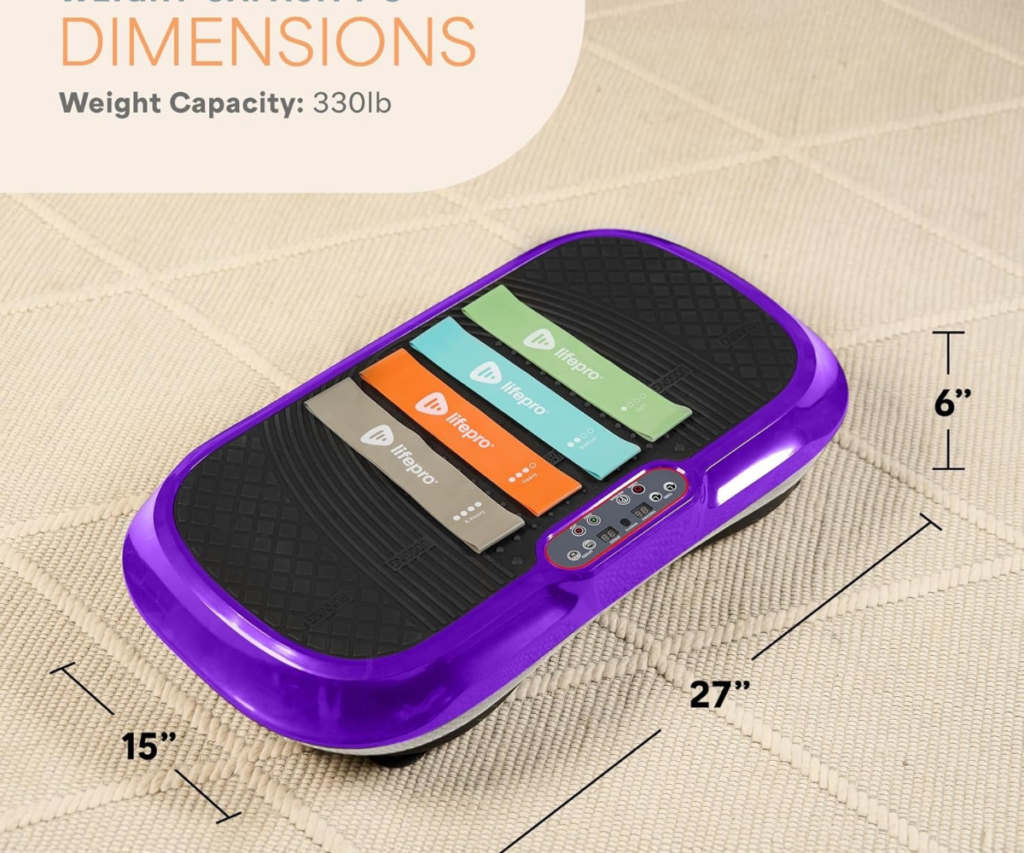
· Lifepro Waver Vibration Plate Exercise Machine: https://amzn.to/4anYGSc
Disclosure Statement: This is an affiliate link. As Amazon Associates, we earn from qualifying purchases. Purchases made through this link may generate a commission at no additional cost to the buyer. Recommendations are based on independent research and editorial standards.
Author Bio
Hr Natura is a health and nutrition researcher with over 12 years of experience evaluating dietary supplements and developing evidence-based weight management strategies. He founded Bionatry to provide science-based resources for individuals interested in nutrition and metabolic health. Readers may explore his introductory work on circadian rhythms and metabolism as well as his detailed examination of energy expenditure factors.