
Publication Date: Mars 2 2026
Does Vitamin B12 Boost Fat Loss and Improve Metabolic Health? Unveiling Its Role in Energy Expenditure and Weight Loss Plateau
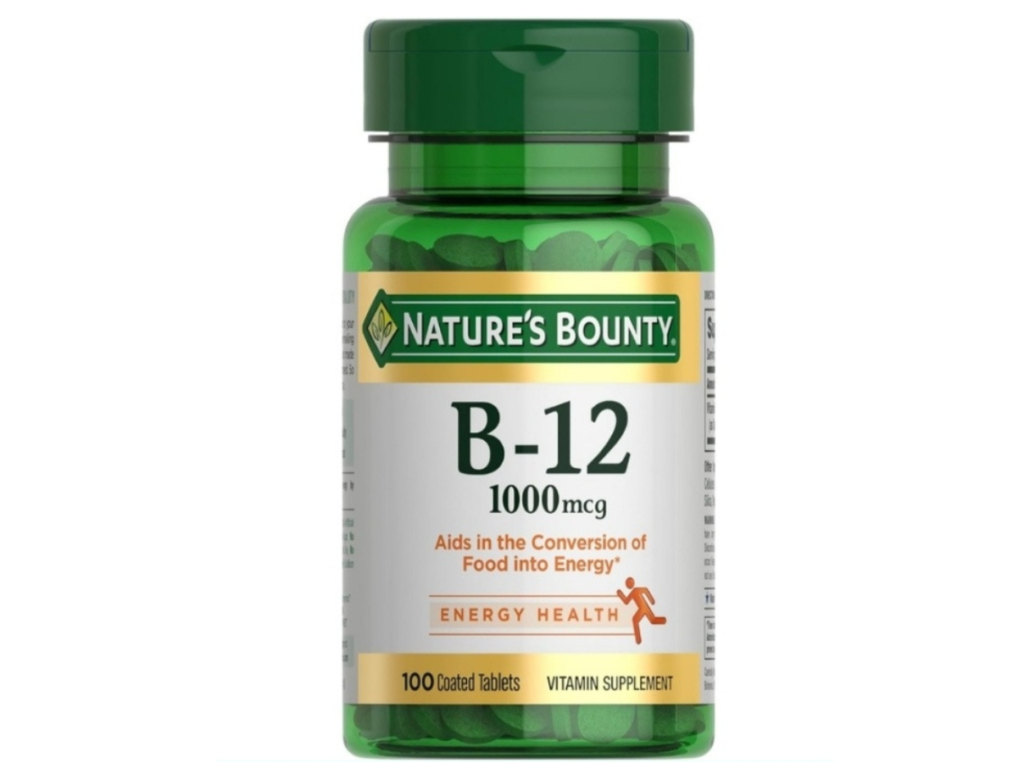
Vitamin B12 supplement bottles arranged with a focus on metabolic health, supporting energy metabolism and fat loss.
Is Vitamin B12 the Key to Faster Fat Loss? Discover how it impacts energy metabolism, breaks through weight loss plateaus, and boosts metabolic health. Research-backed insights you can’t afford to miss!
For over a decade, I’ve observed metabolic health patterns in my work as a nutritional scientist. At Bionatry, I’ve analyzed numerous cases where individuals, despite following caloric restrictions and structured exercise, experience stagnation in their progress. A recurring factor I’ve found is the status of key micronutrients, especially Vitamin B12.
This article aims to explore the relationship between Vitamin B12 and fat metabolism. Moving beyond anecdotal evidence, we’ll examine the physiological mechanisms involved, backed by current peer-reviewed research. The goal is not to market Vitamin B12 as a quick-fix for weight loss, but to better understand its role in the complex system of energy expenditure.
1. Context and Observational Background
My research into supplements began in 2012, when I started investigating the gap between marketed benefits and actual physiological outcomes. Over the years, one consistent finding has been that individuals with optimized B12 levels report more stable energy, which correlates with better adherence to physical activity.
One structured behavioral variable I’ve observed is the combination of B12 optimization with exposure to morning sunlight. This pairing isn’t about directly burning fat but about creating a favorable hormonal environment for metabolism. From my observations, B12 seems to support neurological and metabolic pathways that are aligned with circadian rhythms.
However, it’s important to note that correlation doesn’t equal causation. While individuals with healthy B12 levels and a consistent morning routine (natural light exposure within 30 minutes of waking) report better body composition, these findings are observational and need further confirmation through controlled trials. A 2013 study by Reid et al., published in Sleep, demonstrated the impact of morning light on body mass index, but it did not specifically isolate B12 as a factor.
2. Mechanisms Behind the Metabolic Connection
Vitamin B12 plays a foundational role in metabolism, although it’s not a direct fat burner. B12 is crucial in two biochemical reactions that are vital for efficient metabolism.
- Fat and Protein Metabolism: B12 is involved in converting methylmalonyl-CoA to succinyl-CoA, an essential step in metabolizing fats and proteins. A deficiency in B12 disrupts this process, leading to metabolic inefficiency.
- Energy Production: B12 is vital for the production of red blood cells and for maintaining a healthy nervous system. A deficiency leads to fatigue, which reduces energy expenditure in two key areas:
- NEAT (Non-Exercise Activity Thermogenesis): This is the energy used for everyday activities like standing, walking, or fidgeting. Fatigue decreases these movements, leading to a significant reduction in daily caloric burn.
- Adaptive Thermogenesis: This process describes the body’s defense against weight loss, where energy expenditure is reduced. B12 deficiency-induced fatigue could worsen this, making it more difficult to maintain weight loss.
Additionally, B12 is involved in neurotransmitter synthesis, affecting cortisol regulation and appetite feedback. A disrupted stress response can lead to fat storage, particularly visceral fat. By supporting neurological health, B12 helps maintain the balance of hunger-regulating hormones like leptin and ghrelin, though this is an indirect effect.
3. Practical Implementation of B12 for Metabolic Optimization
If we view Vitamin B12 as a tool for metabolic optimization rather than a direct fat-burning agent, we can create a reasonable, evidence-based framework for its use. It’s not a standalone solution, but part of ensuring a fundamental pillar of metabolic health is intact.
The Assessment Phase:
- Testing: A serum B12 test is essential before starting any supplementation. Values between 200-300 pg/mL may indicate subclinical deficiency, which can have symptoms for some individuals.
- Dietary Audit: Assess B12 intake from foods like meat, fish, eggs, and dairy. For vegans and vegetarians, especially in regions like Germany, the UK, or the US, supplementation is often necessary.
The Optimization Routine:
- Supplementation Form: If a deficiency is found, options include oral cyanocobalamin or methylcobalamin, sublingual tablets, or medical supervision for injections. Absorption varies significantly (e.g., individuals with pernicious anemia or post-bariatric surgery patients may need injections).
- Synergistic Behaviors: Pairing B12 optimization with behaviors that support mitochondrial health is key. This includes the aforementioned morning sunlight exposure, which helps synchronize circadian rhythms in adipose tissue and muscles.
- Timing: B12 is best taken in the morning due to its role in energy production. Taking it late in the day could disrupt sleep for sensitive individuals, interfering with circadian alignment.
Constraints and Contraindications:
B12 is water-soluble, and toxicity is rare as excess is excreted. However, it is not a treatment for obesity and will not overcome a consistently high-calorie diet or a sedentary lifestyle. It’s simply a facilitator of normal physiological function.
4. Applicability, Boundaries, and Ethical Considerations
The populations who benefit most from B12 optimization are those at risk of deficiency. In Western Europe and North America, certain groups are more susceptible:
- Vegans and Vegetarians: As plant-based diets rise in places like the UK, Netherlands, and Scandinavia, these groups are almost universally at risk.
- Older Adults (50+): Reduced stomach acid production (atrophic gastritis) impairs B12 absorption from food.
- Individuals on Medications: Those taking metformin or proton pump inhibitors, common medications in the US and Europe, may have depleted B12 levels.
- Athletes with High Output: Intense physical activity increases B12’s turnover rate.
It’s ethically important to acknowledge that B12 is not a substitute for hard work, dietary adherence, or physical activity. Promoting it as a “fat burner” misleads individuals into thinking there is an easy, pharmaceutical shortcut to a problem influenced by genetics, environment, and lifestyle.
In places with long winters and limited sunlight (e.g., Scandinavia), B12 can support the nervous system, but it cannot replace the benefits of light therapy or outdoor activity during the darker months.
Product Transparency Section
For readers seeking practical supplementation options:
Nature’s Bounty Vitamin B12 – Supports Energy and Nerve Health
Nature’s Bounty Vitamin B12 is a powerful supplement that helps boost metabolism and increase energy levels, while supporting nervous system health. Ideal for those looking to maintain mental and physical vitality throughout the day.
https://amzn.to/4kPRfGM
TESLA🗝️The EMS 15 Tesla is an innovative device that uses Electrical Muscle Stimulation (EMS) technology to effectively stimulate muscles and aid in fat removal. Designed to enhance body shaping and slimming, it helps tone muscles and improve the appearance of the buttocks, abdomen, and thighs in a short period of time. With its sleek, modern design, the device is ideal for both home and salon use. It offers safe, effective sessions for improving physical fitness and body contour.
https://s.click.aliexpress.com/e/_c4e9fAf1
🌿Synergistic Ingredients for Better Energy and Metabolism
This formulation features naturally derived ingredients chosen for their ability to work together to boost metabolic efficiency, enhance energy use, and reduce fatigue—key factors that help support energy balance and weight management.
https://nplink.net/ooihri9y
Note: This product is available exclusively through the manufacturer’s official website and is not sold on Amazon.
Transparency: Some links in this article may be affiliate links, meaning that if you make a purchase through them, I may earn a commission at no additional cost to you
Frequently Asked Questions
- Can a B12 injection help me lose weight fast?
No. A B12 injection can correct a deficiency and increase energy, which might encourage more physical activity (NEAT). However, the injection itself does not directly burn fat. Weight loss results from a sustained caloric deficit, not a single injection. - What are the signs of B12 deficiency that might affect metabolism?
Common signs include persistent fatigue, weakness, and brain fog. Neurological symptoms like numbness and tingling can also occur. These symptoms suppress energy expenditure and make exercise difficult, which can hinder fat loss. - Is it better to take B12 supplements or get it from food?
For those without absorption issues, food sources are generally preferred. B12 in food (e.g., clams, liver, salmon) is bound to protein, aiding in slower, sustained release. For vegans, vegetarians, and older adults, supplementation is necessary as food sources alone are insufficient. - How does B12 interact with other supplements for metabolic health?
B12 works synergistically with B6 and folate (B9) for methylation and energy production. Ensuring a balanced intake of these nutrients, along with Vitamin D, supports metabolic health more effectively than high-dose B12 alone.
Author Bio
Hr Natura is a health and nutrition researcher with years of experience analyzing dietary supplements and developing practical strategies for sustainable weight management. He is the founder of bionatry.com, a science-driven platform offering research-based resources for optimizing metabolic health.