
Boost metabolism, control weight, and savor Almased’s tasty shake!
https://amzn.to/41LVDOd
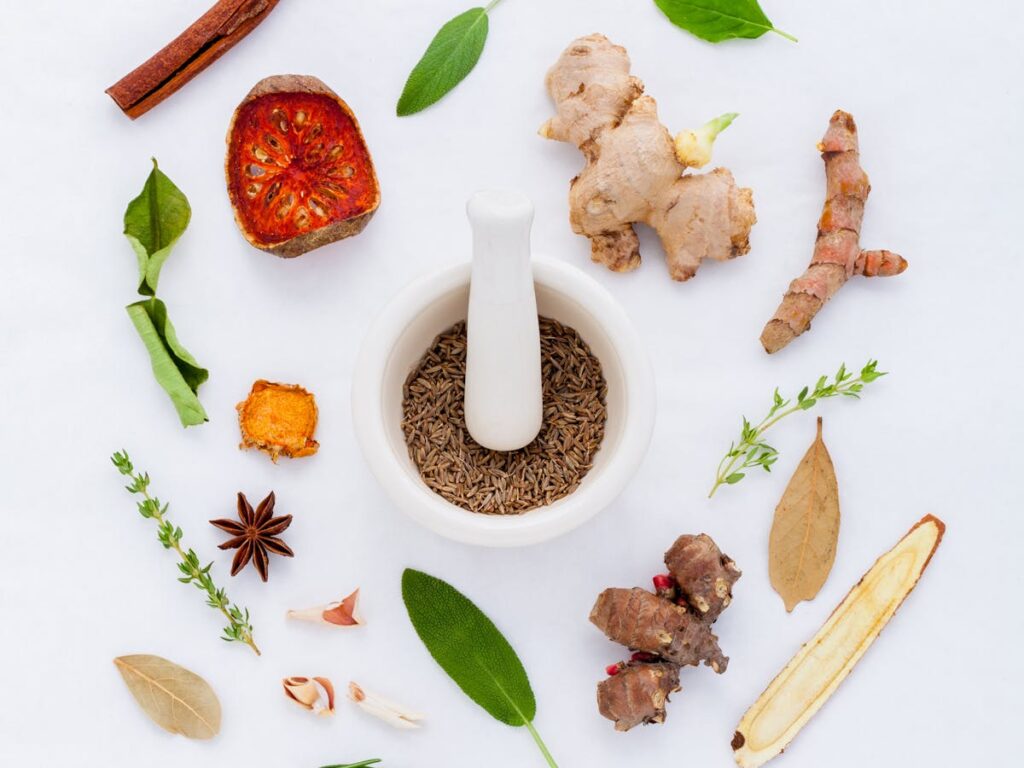
Various nutritional supplements that effectively support the weight loss process.
The Truth About Sugar and Weight Gain
Publication Date: 2026-04-16
By R Hallou, Bionatry
When discussing the obesity epidemic in the United States, where nearly 40% of adults have a body mass index (BMI) over 30, we tend to simplify the equation to “calories in vs. calories out.” However, a deeper look at recent data reveals that sugar is not just an empty calorie—it acts as a hormonal trigger that reprograms our metabolism. The real question is not “Does sugar cause weight gain?” but rather, “How does sugar disrupt our satiety and metabolic processes without us even noticing?”
The Hidden Mechanism: What Calorie Labels Don’t Tell You
The Dietary Guidelines for Americans 2025-2030 mark a significant shift in food policy, with health officials openly declaring a “war on added sugar.” But why this change?
In weight-loss clinics, it’s noted that sugar—particularly high-fructose corn syrup (HFCS)—is primarily processed in the liver. Dr. Judy Chen, a weight-loss specialist at the University of Washington, explains that this process “creates an alcohol-like scenario,” where the liver works overtime to convert fructose into triglycerides via a process known as de novo lipogenesis.
This isn’t just fat storage; it’s metabolic stress that leads to insulin resistance. When I review physiological studies, I find that chronic insulin spikes, rather than just elevated blood sugar, are the primary drivers of weight gain. Simply put: insulin is the storage hormone. The higher it rises, the more the body stops burning fat and starts storing it.
The Silent Quantities: How Americans Exceed Daily Limits
The average American consumes 19.5 teaspoons of sugar daily. For comparison, the World Health Organization recommends 6 teaspoons for women and 9 for men. This difference is not trivial—it’s a systematic buildup.
What’s truly concerning are what I call “hidden sources.” Researchers at Ohio State University analyzed data from over 36,000 American adults and found that the primary sources of added sugar go beyond soda and sweets. The list includes:
- Tomato sauce (ketchup)
- Granola bars
- Energy drinks
- Regular bread
These foods aren’t typically seen as “harmful,” but they accumulate over time, pushing us past the daily sugar limit.
Redefining the Relationship: From Calories In to Hormonal Regulation
In my analysis, the “calories in vs. calories out” model fails to explain why two people eating the same number of calories can gain different amounts of weight. The more accurate model is the Carbohydrate-Insulin Model.
In short, when you consume refined sugars:
- Insulin levels spike quickly.
- Insulin shifts cells from “fat-burning” mode to “fat-storing” mode.
- You feel hungry again in two hours because the sugar (fuel) has gone into fat cells instead of remaining available in the blood.
- You eat again, and the cycle repeats.
This isn’t “willpower failure.” It’s a physiological response that’s almost unavoidable.
Practical Solutions: Evidence-Based Strategies
Based on the previous analysis, we can move from awareness to actionable steps. Here are strategies backed by evidence:
1. Restructure Your Plate
The new 2025-2030 guidelines emphasize that whole, unprocessed foods (protein, vegetables, healthy fats) should make up the bulk of your plate, with refined grains significantly reduced.
2. Read Labels Differently
It’s not enough to just look at total sugar content; seek out:
- High-fructose corn syrup
- Cane sugar (even organic)
- Concentrates and juices
3. Manage Your Food Environment
Studies suggest that the environment around you influences sugar consumption more than willpower does. When sugary drinks are absent from the house, consumption drops by up to 50%.
Conclusion
The truth is, sugar isn’t toxic in small amounts, but in the modern American food environment, it has become a standalone factor driving weight gain, insulin resistance, and fatty liver disease. The difference between those who succeed in managing their weight and those who don’t lies not in willpower, but in understanding this mechanism and applying practical solutions that focus on hormonal regulation—not just calorie reduction.
Based on the previous scientific analysis, we can establish objective criteria for selecting the most suitable dietary supplement. The goal is not just to purchase any product, but to choose one that offers maximum benefits with minimal side effects.
Supporting Digestion and Weight Management with Natural Ingredients
GLP-1+GIP Weight Management Drops: provide an excellent option to enhance your wellness. This powerful 7-day formula combines natural ingredients to support healthy weight loss, improve digestion, and reduce bloating. It is designed for both men and women, promoting nutrient absorption and accelerating fat loss. Safe for long-term use, this product complements your diet and exercise routine, aiding effective weight management.
https://s.click.aliexpress.com/e/_c3oYowd5
Achieve Your Goals Quickly and Safely with Fast Burn Extreme: The Ultimate Fat Burner!
Fast Burn Extreme is an effective multi-component fat burner designed for physically active individuals of all ages, including athletes. Regular use enhances fat metabolism and stimulates its reduction, making it the perfect solution for those looking to burn fat quickly and safely. Whether you’re aiming to lose weight or improve your physical performance, Fast Burn Extreme delivers reliable results. Get it today and start your journey toward a leaner, fitter body!
https://nplink.net/1zsurf7m
Note: This product is available exclusively through the manufacturer’s official website and is not sold on Amazon.
Products are chosen independently by us. Purchases made through our links may earn us a commission at no additional cost to you.
Frequently Asked Questions
Q: Are all types of sugar equal in their effect on weight?
A: From a hormonal perspective, yes. White sugar, honey, maple syrup, and corn syrup all raise insulin levels to varying degrees, with pure fructose being the most harmful to the liver.
Q: Are artificial sweeteners a safe solution?
A: This remains a scientific debate. Some recent guidelines have cautioned against them, while other studies suggest they may help reduce calories. The neutral stance is that they’re better than sugar, but not the perfect solution.
Q: How long does it take for the body to recover from chronic sugar intake?
A: Studies show that insulin sensitivity begins to improve within 3-5 days of cutting added sugar to less than 25 grams per day.
Author Bio
This article was written by R Hallou, a health and nutrition expert at Bionatry, where he provides practical, evidence-based strategies for sustainable weight loss. With extensive experience in analyzing dietary supplements, R Hallou offers expert insights at www.bionatry.com.