
Published: May 7, 2026
Author: R Hallou
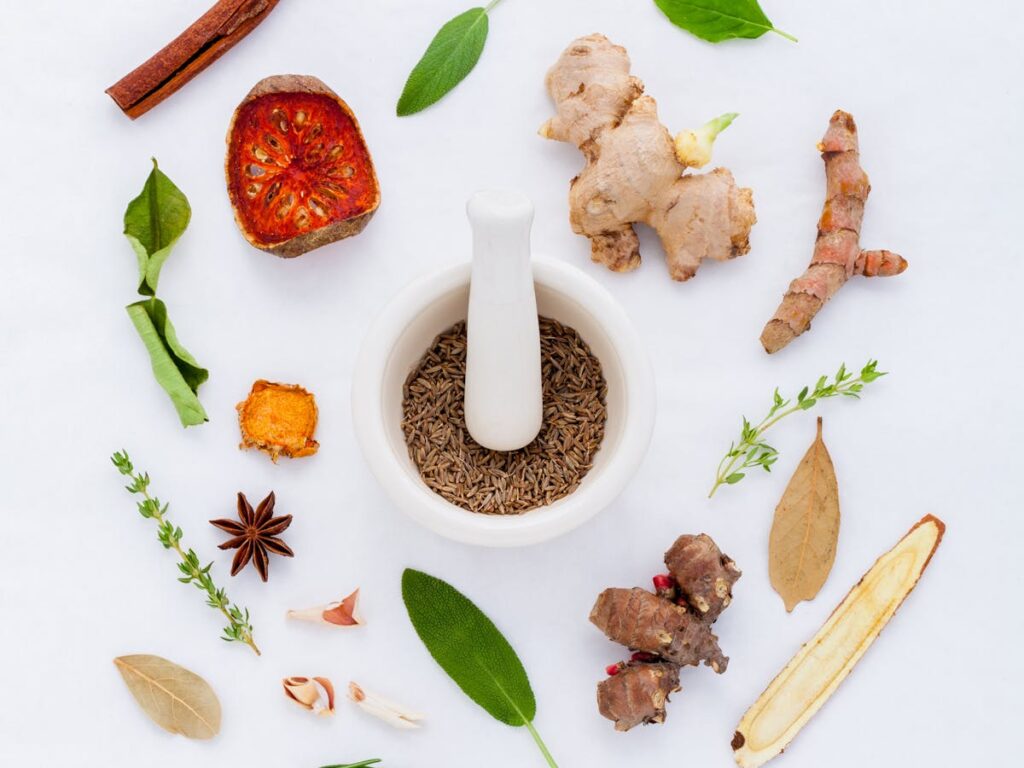
Natural herbs and spices arranged for North American wellness
How to Manage Your Weight on a Gluten-Free Diet – North American Trend Insights
Introduction – Why the 2026 Gluten-Free Trend Is Different
This week, the gluten-free trend in North America has reached a new peak. From Vancouver to Mexico City, more people than ever are eliminating wheat – not just for medical reasons, but as a lifestyle choice.
However, the current trend (May 2026) reveals a hidden problem: many Americans and Canadians assume gluten-free automatically means low-calorie or healthy. That assumption is now backfiring.
Social media influencers across the US and Canada are promoting gluten-free as a weight-loss shortcut. But clinical evidence shows the opposite – especially when people rely on processed alternatives.
🔍 Key insight for this week’s trend:
The real risk isn’t gluten – it’s the rapidly growing gluten-free processed food industry.
The Hidden Danger – Why This Trend Can Mislead You
According to recent data trending in North American nutrition circles:
· Poorly managed gluten-free diets can increase metabolic syndrome risk by 14–29% within one year (NIH data)
· Gluten-free packaged products often contain more sugar, saturated fat, and salt than regular equivalents
· A typical gluten-free bagel has fewer fibers and more calories than its wheat-based counterpart
What’s driving this trend?
Manufacturers compensate for lost gluten structure using rice starch, tapioca, and potato starch – ingredients that spike blood sugar and trigger cravings.
The Simple Solution – Work With the Trend, Not Against It
The smart gluten-free trend in 2026 is shifting away from processed “free-from” aisles and toward naturally gluten-free whole foods.
Smart substitutions trending right now in North America:
| Instead of… | Try this… |
|---|---|
| Gluten-free bread | Lettuce or collard wraps |
| Gluten-free pasta | Spaghetti squash or zucchini noodles |
| Packaged snacks | Lean proteins, eggs, legumes, vegetables |
✅ Clinical studies (including a 2026 trial with obese diabetic adults) confirm:
Weight loss on a gluten-free diet comes from lower caloric density and higher protein intake – not from cutting gluten itself.
The Celiac Catch-22 – When Healing Causes Weight Gain
For diagnosed celiac patients, healing intestinal villi improves nutrient absorption – which is excellent for health but can lead to recovery weight gain.
How to manage this within the 2026 trend:
· Use smaller plates to control portions
· Practice mindful eating – pause between bites
· Recalibrate portions for previously under-absorbed foods
Dr. Daniel Leffler (Harvard Medical School) warns:
“Strict gluten-free adherence increases caloric absorption – conscious eating is essential.”
Practical Protocol – May 2026 Updates
Follow these steps to stay ahead of the gluten-free trend in North America while protecting your weight:
- Eliminate Double Carbs
Avoid pairing multiple starches in one meal. Fill half your plate with fibrous vegetables (broccoli, leafy greens, asparagus). - Protein Pacing
Include 25–30 grams of protein per meal – eggs, poultry, fish, grass-fed beef. - Read the Full Label
Check fiber-to-sugar ratio.
⚠️ Items with >8g sugar and <3g fiber = desserts, not meals.
Conclusion – Stay Smart, Not Trendy
The gluten-free trend sweeping North America this week doesn’t have to hurt your health. Processed gluten-free foods are a hidden driver of obesity across the US and Canada.
Your 2026 advantage:
Prioritize whole foods, naturally gluten-free grains (quinoa, buckwheat, millet, amaranth), and nutrient density over convenience.
With strategic substitutions, you can follow the trend without gaining weight – and actually achieve a healthier, leaner body.
Applying the Scientific Findings: A Practical Note
Based on the analysis above, sustainable weight management depends primarily on consistent lifestyle habits: adequate sleep, protein intake, resistance training, and whole foods.
However, some individuals may benefit from supplemental support — particularly when daily routines make it difficult to meet nutritional needs through food alone.
Below are independently reviewed options:
✅Natural Supplement for Weight Loss and Wellness
This natural supplement, derived from green barley, is known for its slimming and detoxifying properties. Its formula is based on a legendary ingredient—garcinia cambogia. The interaction between these two active substances produces a very powerful fat burner, which also enhances the feeling of fullness and helps shed several kilograms in a short period of time. It also improves the appearance of skin, hair, and nails.
https://nplink.net/eomgdlw8
✅Dreaming of losing weight while you sleep? Michael lost 31kg in 90 days—no gym, no starvation. A natural 8-ingredient blend that improves sleep and burns fat at rest. Trusted by over 120,000 people. 90-day risk-free money-back guarantee. Get a discount, free shipping, and 2 free books. Start your transformation today.
https://e32e6i1lrzr1oi5fm2l9q3md6l.hop.clickbank.net
✅Meal Replacement Option (When Whole Food Isn’t Practical)
Product: Almased Meal Replacement Shakes
What it offers: 24g protein, 22 vitamins/minerals, and 80 bioactive nutrients per serving.
Who it may suit: People with limited time for meal preparation who struggle to meet protein targets through food alone.
Considerations: Not a permanent substitute for whole foods. Taste preferences vary. Best used occasionally, not as every meal.
View on Amazon https://amzn.to/41LVDOd
✅Digestive Support Option
Product: GLP-1+GIP Weight Management Drops
What it offers: A 7-day formula with natural ingredients aimed at supporting digestion and reducing bloating.
Who it may suit: Those who experience digestive discomfort or bloating while adjusting to a new diet.
Considerations: Designed to complement — not replace — a balanced diet and exercise. Individual results vary. Long-term safety data is limited.
View on AliExpress https://s.click.aliexpress.com/e/_c3oYowd5
Products are chosen independently by us. Purchases made through our links may earn us a commission at no additional cost to you.
Frequently Asked Questions (FAQ) – Based on Current North American Searches
Q: Will I automatically lose weight by going gluten-free this month?
A: No. Weight loss happens only if total calories drop. Many gluten-free processed foods are higher in calories than gluten-containing equivalents.
Q: Why am I gaining weight on this trend?
A: For celiac patients – better nutrient absorption. For others – overconsumption of high-sugar, high-fat gluten-free snacks.
Q: What gluten-free grains support weight loss right now?
A: Quinoa, buckwheat, millet, amaranth. Avoid tapioca, potato starch, and white rice flour blends.
Q: Is the gluten-free trend healthy for everyone in 2026?
A: No. Without celiac disease or non-celiac gluten sensitivity, long-term gluten elimination may increase nutrient deficiency risks.
Author Bio
R Hallou is a health and nutrition expert at Bionatry, providing evidence-based strategies for sustainable weight loss and wellness aligned with 2026 North American trends.
📧 Visit: www.bionatry.com