
Bionatry: 1. June. 2026
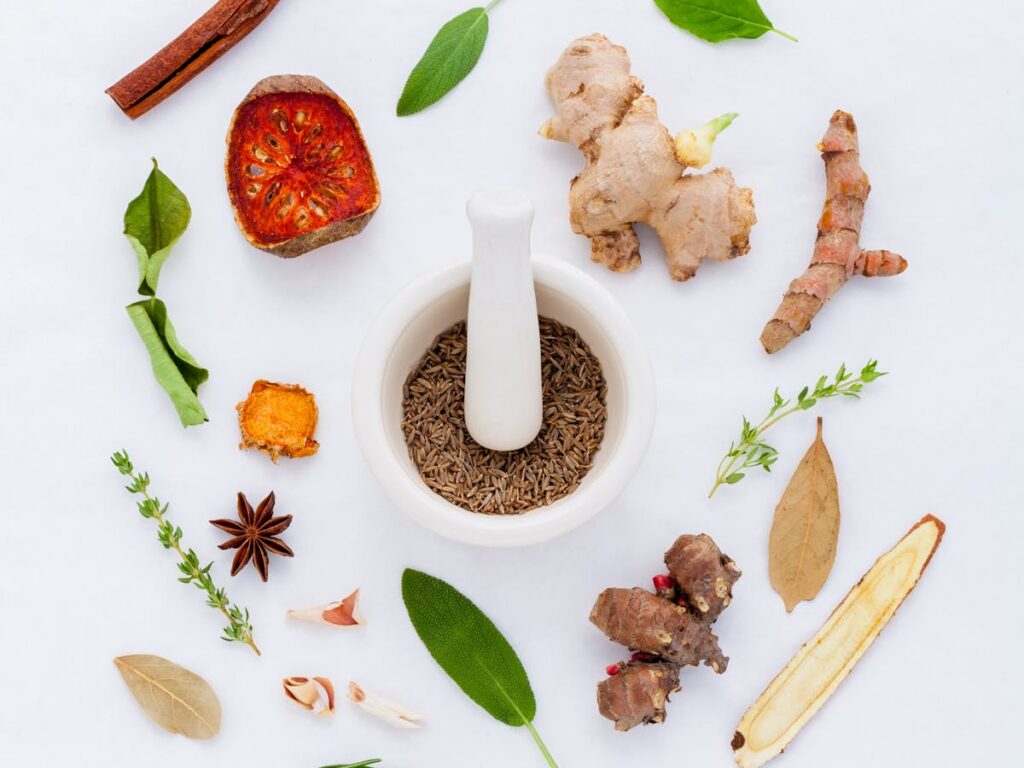
Balanced intake of macronutrients (proteins, carbohydrates, and fats) and its impact on fat burning and metabolic efficiency.
How to Optimize Your Diet for Faster and Sustainable Weight Loss
Many people start a weight-loss journey with enthusiasm, only to see progress slow down or stop after a few weeks. In many cases, the problem is not a lack of willpower but an approach that focuses exclusively on eating less rather than eating smarter.
Modern nutrition research shows that sustainable fat loss depends on more than calorie restriction. The quality of your food, nutrient timing, protein intake, sleep habits, and metabolic health all play important roles in determining whether your body burns fat efficiently or conserves energy.
This guide explores practical, evidence-based strategies to help you optimize your diet, support a healthy metabolism, preserve muscle mass, and achieve long-term weight-management success.
Why Severe Calorie Restriction Often Backfires
One of the most common mistakes people make is drastically reducing calorie intake in an attempt to accelerate weight loss.
While a calorie deficit is necessary for fat loss, excessively low-calorie diets can lead to:
- Reduced resting metabolic rate
- Increased hunger and food cravings
- Loss of lean muscle mass
- Lower energy levels
- Difficulty maintaining long-term results
When muscle mass decreases, the body burns fewer calories at rest, making future weight loss more challenging. This is why many people experience the frustrating cycle of losing weight quickly and then regaining it later.
The goal should be to create a moderate, sustainable calorie deficit while maintaining adequate nutrition.
1. Stabilize Blood Sugar Through Strategic Meal Order
The order in which you eat foods can influence blood sugar and insulin responses.
A practical strategy is to:
- Start meals with vegetables or fiber-rich foods.
- Eat protein sources next.
- Consume starchy carbohydrates afterward.
This approach may help improve satiety, reduce blood sugar spikes, and support appetite control throughout the day.
Practical Example
Instead of eating bread, rice, or pasta first:
- Begin with a salad or vegetables.
- Follow with chicken, fish, eggs, tofu, or lean meat.
- Finish with your carbohydrate source.
Small changes like this can improve dietary adherence without requiring major restrictions.
2. Prioritize Protein Early in the Day
Protein is one of the most important nutrients for successful weight management.
Adequate protein intake can help:
- Preserve lean muscle mass
- Increase feelings of fullness
- Support recovery and physical performance
- Slightly increase calorie expenditure through digestion
Starting your day with a protein-rich breakfast may help reduce hunger later in the day and improve dietary consistency.
High-Protein Breakfast Ideas
- Greek yogurt with chia seeds
- Eggs and vegetables
- Cottage cheese with berries
- Protein smoothie made with quality protein powder
- Tofu scramble with vegetables
Aim to include a meaningful source of protein at every meal rather than concentrating it in a single sitting.
3. Reduce Liquid Calories and Excess Sweeteners
Many people focus on food while overlooking beverages.
Calories from sugary drinks can accumulate quickly without providing the same level of fullness as solid foods.
Examples include:
- Soft drinks
- Sweetened coffee beverages
- Energy drinks
- Sweetened teas
- Fruit-flavored beverages
Replacing these drinks with healthier alternatives may significantly reduce daily calorie intake.
Better Beverage Choices
- Water
- Sparkling water
- Unsweetened green tea
- Black coffee in moderation
- Water infused with lemon, mint, or cucumber
These substitutions often support weight-loss efforts without requiring major dietary changes.
Why Many Popular Diets Fail
Most fad diets focus on eliminating an entire food group rather than improving overall dietary quality.
Whether the diet targets fats, carbohydrates, or specific foods, extreme restriction often becomes difficult to maintain.
Long-term success typically comes from:
- Consistent calorie control
- Adequate protein intake
- High-fiber foods
- Regular physical activity
- Sufficient sleep
- Sustainable eating habits
Instead of searching for the perfect diet, focus on building a nutritional framework you can maintain for years rather than weeks.
Consider Strategic Calorie Cycling
Some individuals benefit from periodic increases in calorie intake while maintaining healthy food choices.
This approach, often called calorie cycling or diet breaks, may help:
- Improve dietary adherence
- Reduce psychological fatigue
- Support training performance
- Make long-term dieting more manageable
However, calorie cycling should be planned carefully and should not become an excuse for uncontrolled overeating.
Practical Weight-Loss Tools You Can Use Today
1. The Hand Portion Method
A simple way to estimate portions without counting calories:
- Protein: palm-sized portion
- Vegetables: fist-sized portion
- Carbohydrates: cupped hand portion
- Healthy fats: thumb-sized portion
This method can help control portions while keeping meals balanced.
2. Distinguish Hunger from Cravings
Before eating, ask yourself:
“Would I eat a nutritious meal right now, or am I simply craving a specific snack?”
Learning to recognize emotional eating can significantly reduce unnecessary calorie intake.
3. Prioritize Sleep
Sleep is one of the most overlooked factors in weight management.
Poor sleep is associated with:
- Increased hunger
- Reduced satiety
- Greater cravings for highly processed foods
- Lower energy levels
Most adults benefit from approximately 7–9 hours of quality sleep per night.
Frequently Asked Questions
Can I lose weight without eliminating carbohydrates?
Yes. Most people can lose weight successfully without removing carbohydrates entirely. Focus on portion control and prioritize minimally processed carbohydrate sources such as fruits, vegetables, legumes, oats, and whole grains.
What is the biggest mistake people make when trying to lose weight quickly?
Extreme calorie restriction is one of the most common mistakes. It often leads to muscle loss, increased hunger, reduced metabolic efficiency, and poor long-term adherence.
Are artificial sweeteners helpful for weight loss?
Artificial sweeteners may help some individuals reduce sugar intake. However, responses vary from person to person. Moderation is generally recommended while prioritizing water and minimally sweetened beverages whenever possible.
How much protein should I eat during weight loss?
Protein needs vary depending on age, body size, activity level, and goals. Many active adults benefit from consuming protein regularly throughout the day to support muscle maintenance and satiety.
Based on the analysis above, we have added options that strongly support weight loss. These products have been independently selected to primarily promote sustainable weight management:
✅Natural Supplement for Weight Loss and Wellness
This natural supplement, derived from green barley, is known for its slimming and detoxifying properties. Its formula is based on a legendary ingredient—garcinia cambogia. The interaction between these two active substances produces a very powerful fat burner, which also enhances the feeling of fullness and helps shed several kilograms in a short period of time. It also improves the appearance of skin, hair, and nails.
https://nplink.net/eomgdlw8
✅Dreaming of losing weight while you sleep? Michael lost 31kg in 90 days—no gym, no starvation. A natural 8-ingredient blend that improves sleep and burns fat at rest. Trusted by over 120,000 people. 90-day risk-free money-back guarantee. Get a discount, free shipping, and 2 free books. Start your transformation today.
https://e32e6i1lrzr1oi5fm2l9q3md6l.hop.clickbank.net
✅Meal Replacement Option (When Whole Food Isn’t Practical)
Product: Almased Meal Replacement Shakes
What it offers: 24g protein, 22 vitamins/minerals, and 80 bioactive nutrients per serving.
Who it may suit: People with limited time for meal preparation who struggle to meet protein targets through food alone.
Considerations: Not a permanent substitute for whole foods. Taste preferences vary. Best used occasionally, not as every meal.
View on Amazon https://amzn.to/41LVDOd
✅Digestive Support Option
Product: GLP-1+GIP Weight Management Drops
What it offers: A 7-day formula with natural ingredients aimed at supporting digestion and reducing bloating.
Who it may suit: Those who experience digestive discomfort or bloating while adjusting to a new diet.
Considerations: Designed to complement — not replace — a balanced diet and exercise. Individual results vary. Long-term safety data is limited.
View on AliExpress https://s.click.aliexpress.com/e/_c3oYowd5
Products are chosen independently by us. Purchases made through our links may earn us a commission at no additional cost to you.
Key Takeaway
Successful weight loss is not about eating as little as possible. It is about creating a sustainable nutritional strategy that supports metabolism, preserves muscle, controls hunger, and improves overall health.
By prioritizing protein, managing meal composition, reducing liquid calories, improving sleep, and maintaining realistic eating habits, you can achieve steady fat loss while building a healthier relationship with food.
Author Bio
R Hallou is a health and nutrition researcher at Bionatry. He specializes in evidence-based weight management strategies, nutritional supplementation analysis, and sustainable lifestyle interventions designed to support long-term health and body composition goals.https://www.bionatry.com