
bionatry: 04, 06, 2026
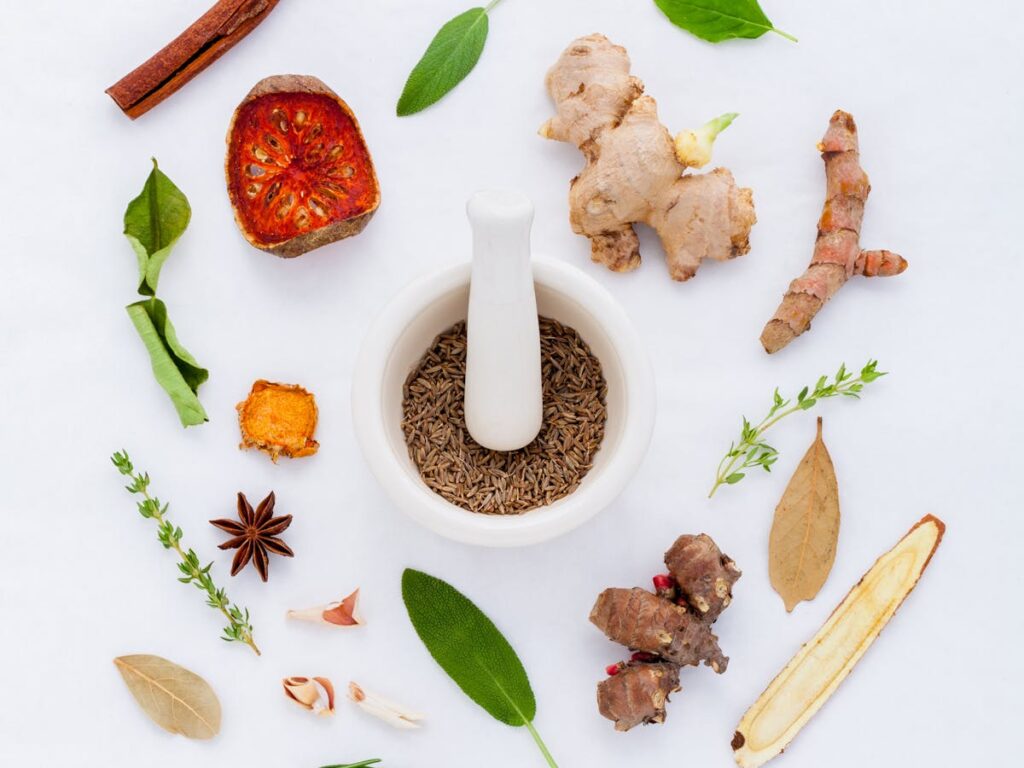
Supporting the body’s natural detoxification processes and healthy weight management in a modern, contemporary kitchen setting.
Detox and Weight Loss in 2026: What Science Really Says About Cleansing Your Body and Losing Fat
As wellness trends continue to dominate the American health landscape in 2026, one question remains at the center of countless discussions: Can detoxification truly help with weight loss, or is it simply another marketing buzzword?
The detox industry has grown into a multi-billion-dollar market, fueled by promises of rapid cleansing, increased energy, and dramatic weight reduction. Yet many consumers are left wondering whether these claims are supported by science.
The reality is far more nuanced. Your body already possesses sophisticated systems designed to eliminate waste and process potentially harmful compounds. Understanding how these systems work—and how they relate to healthy weight management—can help you avoid costly mistakes and focus on strategies that genuinely support long-term health.
This evidence-based guide explores the connection between detoxification and weight loss, explains common misconceptions, and provides practical recommendations supported by current nutritional science.
Your Body Already Has a Built-In Detox System
Many detox products imply that the body becomes “clogged” with toxins that require special juices, teas, or supplements to remove. However, human physiology tells a different story.
The liver, kidneys, digestive system, lungs, and skin continuously work together to process and eliminate metabolic waste products. These organs operate around the clock without the need for expensive detox programs.
In scientific terms, detoxification refers to the body’s natural ability to transform and eliminate metabolic byproducts and environmental compounds. The primary concern is not a buildup of mysterious toxins but rather a decline in the efficiency of these natural systems due to factors such as:
- Poor dietary habits
- Chronic dehydration
- Excessive alcohol consumption
- Highly processed food intake
- Lack of physical activity
- Insufficient sleep
When these lifestyle factors impair metabolic health, weight loss can become more challenging. Supporting your body’s natural detoxification pathways through proper nutrition and healthy habits is often far more effective than relying on short-term cleansing programs.
What Actually Works—and What Doesn’t
After reviewing numerous popular detox products available in the U.S. market, a common pattern emerges: many “detox” drinks and cleanses primarily function as mild laxatives or diuretics.
While these products may produce temporary weight loss, the reduction typically comes from water loss rather than fat loss. Once normal eating and hydration patterns resume, the weight usually returns.
Evidence-Based Components That May Support Detoxification
Certain nutrients and compounds have demonstrated potential benefits for supporting the body’s natural detoxification processes:
1. Soluble Fiber
Sources such as psyllium husk, oats, legumes, and chia seeds may help support digestive health and promote the elimination of waste products through regular bowel movements.
2. Antioxidants
Compounds found in green tea, berries, cruciferous vegetables, and other plant foods help protect cells from oxidative stress and support normal liver function.
3. Sulfur-Containing Plant Compounds
Vegetables such as broccoli, Brussels sprouts, kale, and cauliflower contain compounds that may support detoxification enzyme activity in the liver.
A Simple, Affordable Approach
Instead of purchasing expensive detox kits, consider starting with:
- Increased daily water intake
- Chia seeds added to meals or beverages
- More vegetables and fruits
- Adequate dietary fiber
- Reduced consumption of ultra-processed foods
These foundational habits often provide greater long-term benefits than complex cleansing programs.
Hidden Risks of Extreme Detox Diets
One of the most overlooked concerns surrounding aggressive detox plans is inadequate protein intake.
Many popular cleanses rely almost exclusively on juices, herbal drinks, or extremely low-calorie meal plans. While this may produce rapid weight loss on the scale, the body often loses muscle tissue alongside water weight.
Loss of lean muscle mass can:
- Reduce metabolic rate
- Increase fatigue
- Impair physical performance
- Make long-term weight maintenance more difficult
A successful weight-loss strategy should prioritize preserving muscle while reducing excess body fat.
Protecting Muscle During Weight Loss
For most healthy adults, consuming approximately 1.2–1.6 grams of protein per kilogram of body weight per day may help support muscle maintenance during calorie reduction.
High-quality protein sources include:
- Eggs
- Fish
- Poultry
- Greek yogurt
- Legumes
- Soy products
- Whey protein supplements
A Practical 7-Day Detox-Support Protocol
Rather than following restrictive juice cleanses, consider a balanced approach designed to support natural detoxification while encouraging healthy weight management.
Days 1–3: Preparation Phase
Focus on increasing nutrient density by adding:
- Spinach
- Cucumber
- Celery
- Green apples
- Ginger
A nutrient-rich green smoothie can replace one meal if it contains sufficient protein and fiber.
Days 4–7: Support Phase
Continue emphasizing:
- Cruciferous vegetables
- Turmeric
- Garlic
- Onions
- Adequate hydration
Aim for approximately 2.5–3 liters of water daily unless advised otherwise by a healthcare professional.
Long-Term Maintenance
After the initial week:
- Return to a balanced eating pattern
- Maintain high vegetable intake
- Limit ultra-processed foods
- Stay physically active
- Prioritize sleep quality
These habits support both metabolic health and sustainable weight management.
Why Whole Foods Matter More Than Detox Products
Consumer interest in phrases such as “liver detox,” “natural detox,” and “whole-food detox” continues to grow across the United States.
Fortunately, research consistently suggests that whole foods provide many of the nutrients needed to support the body’s detoxification pathways naturally.
Particularly valuable foods include:
- Broccoli
- Brussels sprouts
- Garlic
- Onions
- Eggs
- Leafy greens
- Berries
- Citrus fruits
These foods deliver fiber, antioxidants, vitamins, minerals, and bioactive compounds that support overall health without the need for expensive cleansing products.
Based on the analysis above, we have added options that strongly support weight loss. These products have been independently selected to primarily promote sustainable weight management:
✅Natural Supplement for Weight Loss and Wellness
This natural supplement, derived from green barley, is known for its slimming and detoxifying properties. Its formula is based on a legendary ingredient—garcinia cambogia. The interaction between these two active substances produces a very powerful fat burner, which also enhances the feeling of fullness and helps shed several kilograms in a short period of time. It also improves the appearance of skin, hair, and nails.
https://nplink.net/eomgdlw8
✅Dreaming of losing weight while you sleep? Michael lost 31kg in 90 days—no gym, no starvation. A natural 8-ingredient blend that improves sleep and burns fat at rest. Trusted by over 120,000 people. 90-day risk-free money-back guarantee. Get a discount, free shipping, and 2 free books. Start your transformation today.
https://e32e6i1lrzr1oi5fm2l9q3md6l.hop.clickbank.net
✅Meal Replacement Option (When Whole Food Isn’t Practical)
Product: Almased Meal Replacement Shakes
What it offers: 24g protein, 22 vitamins/minerals, and 80 bioactive nutrients per serving.
Who it may suit: People with limited time for meal preparation who struggle to meet protein targets through food alone.
Considerations: Not a permanent substitute for whole foods. Taste preferences vary. Best used occasionally, not as every meal.
View on Amazon https://amzn.to/41LVDOd
✅Digestive Support Option
Product: GLP-1+GIP Weight Management Drops
What it offers: A 7-day formula with natural ingredients aimed at supporting digestion and reducing bloating.
Who it may suit: Those who experience digestive discomfort or bloating while adjusting to a new diet.
Considerations: Designed to complement — not replace — a balanced diet and exercise. Individual results vary. Long-term safety data is limited.
View on AliExpress https://s.click.aliexpress.com/e/_c3oYowd5
Products are chosen independently by us. Purchases made through our links may earn us a commission at no additional cost to you.
Frequently Asked Questions
Can detoxing help you lose weight without exercise?
Some short-term weight loss may occur, primarily from water loss and reduced calorie intake. However, regular physical activity remains one of the most effective tools for long-term fat loss and metabolic health.
How long should a detox program last?
Most experts recommend avoiding prolonged restrictive detox diets. Short-term nutritional resets lasting several days may be appropriate for some individuals, but balanced nutrition should remain the priority.
Is intermittent fasting a form of detoxification?
Intermittent fasting may support cellular maintenance processes such as autophagy. However, it should not be viewed as a replacement for a nutrient-rich diet and healthy lifestyle.
How can I tell if my body is functioning optimally?
Positive indicators may include:
- Consistent energy levels
- Healthy digestion
- Regular bowel movements
- Improved sleep quality
- Stable weight management
- Healthy skin appearance
These outcomes are generally more meaningful than rapid fluctuations on the scale.
Final Thoughts
The idea of detoxification has become heavily commercialized, often creating unrealistic expectations about weight loss and health transformation.
The truth is that your body already possesses highly effective detoxification systems. The most powerful way to support them is not through expensive cleanses or miracle products but through evidence-based lifestyle habits.
Hydration, nutrient-dense foods, sufficient protein, regular physical activity, quality sleep, and stress management remain the foundation of both effective detoxification support and sustainable weight loss.
Rather than searching for a quick fix, focus on helping your body do what it was designed to do naturally. The results may be slower than marketing promises suggest, but they are far more likely to last.
Author Bio
R Hallou is a health and nutrition researcher at Bionatry, specializing in evidence-based approaches to weight management, dietary supplements, and long-term metabolic health. Through extensive analysis of nutrition research and consumer wellness trends, he provides practical strategies that help readers make informed health decisions.
Website: https://www.bionatry.com